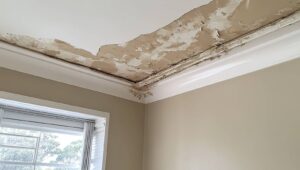
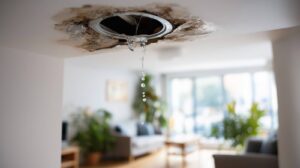
When dealing with black water mold removal, it’s vital to prioritize safety and effectiveness. Understanding the risks associated with black water is the first step, as improper handling can lead to further contamination. You’ll need to equip yourself with the right personal protective equipment and assess the extent of the damage. Containment and proper cleaning methods play significant roles in the process. What comes next is essential for ensuring long-term health and safety.
Key Takeaways
- Always wear appropriate personal protective equipment (PPE) including gloves, masks, and goggles to prevent exposure to contaminants during mold removal.
- Conduct a thorough assessment of the affected area, documenting any damage and establishing quarantine zones to limit access.
- Safely seal and dispose of contaminated materials according to local hazardous waste guidelines to prevent further contamination.
- Use effective cleaning solutions and disinfectants designed for mold removal, ensuring surfaces are thoroughly cleaned and allowed to air dry.
- Maintain low humidity levels below 60% using dehumidifiers and ensure proper ventilation to prevent future mold growth.
Understanding Black Water and Its Risks
When dealing with water damage, it’s essential to understand that black water poses significant health risks.
Black water typically comes from sources like sewage backups, flooding from rivers, or contaminated water bodies. These black water sources contain harmful bacteria, viruses, and chemicals that can lead to severe illnesses if ingested or if they come into contact with your skin.
You need to be aware that exposure to black water can cause gastrointestinal infections, respiratory issues, and skin rashes, among other health risks.
Cleaning up after black water incidents requires caution and a keen understanding of the dangers involved.
Recognizing the sources and potential health implications of black water won’t only keep you informed but also help you take the necessary steps to protect yourself and your loved ones.
Staying informed fosters a sense of community and shared responsibility in addressing these risks effectively.
Personal Protective Equipment (PPE) for Mold Removal
When removing black water mold, wearing the right personal protective equipment (PPE) is vital for your safety.
Essential items include gloves, respirators, and goggles to shield you from harmful spores and contaminants.
Proper usage of these PPE items ensures you minimize health risks while effectively handling the mold removal process.
Essential PPE Items
Effective mold removal hinges on the use of appropriate Personal Protective Equipment (PPE), which safeguards your health during the process.
To protect yourself effectively, start by wearing high-quality protective gloves. These gloves shield your skin from irritants and prevent mold spores from coming into contact.
Next, investing in a reliable respiratory mask is essential. A mask with a HEPA filter will help you avoid inhaling harmful spores and toxins present in black water mold.
Additionally, consider donning goggles to protect your eyes from irritants and contaminants.
Ensuring you have the right PPE enhances your safety and fosters a sense of belonging in a community that values health and well-being during mold removal efforts.
Proper PPE Usage
Although wearing PPE is essential, proper usage is just as important to secure your safety during mold removal. Start by selecting the right PPE types—gloves, masks, goggles, and protective clothing should fit snugly to minimize exposure.
Before you begin, inspect your gear for any damage; effective PPE maintenance is vital for maintaining its protective qualities. Make certain to wear your mask properly, making sure it covers both your nose and mouth.
After completing the job, carefully remove your gear in a way that avoids contamination, and dispose of single-use items responsibly. Always wash reusable PPE according to manufacturer guidelines to ensure maximum protection for your next project.
Prioritize these practices to safeguard your health while fostering a sense of community in safe mold remediation.
Assessing the Extent of Black Water Damage
To effectively assess black water damage, start with a thorough visual inspection of the affected areas.
Look for signs of discoloration, staining, or structural damage that indicate the extent of the problem.
Next, use moisture meters to evaluate moisture levels, as high readings can reveal hidden damage and help you determine the necessary remediation steps.
Visual Inspection Techniques
When evaluating the extent of black water damage, employing thorough visual inspection techniques is essential for identifying affected areas and potential hazards.
To aid in your assessment, consider these key inspection tools and visual clues:
Flashlight: Illuminate dark corners to spot hidden mold or moisture.
Moisture Meter: Use this tool to detect moisture levels in walls and floors.
Camera: Document visual clues of damage for insurance purposes and future reference.
Protective Gear: Always wear gloves and masks while inspecting to avoid exposure to harmful substances.
Moisture Level Assessment
Evaluating moisture levels is essential for determining the extent of black water damage in any affected area.
You should start with moisture detection tools, like moisture meters, to accurately assess the saturation levels in walls, floors, and ceilings.
Conduct humidity measurements to understand the environment’s conditions, which can greatly affect mold growth. By identifying high humidity levels, you can pinpoint areas at risk for further damage.
It’s also wise to inspect hidden spaces, such as behind appliances or inside walls, where moisture can gather unnoticed.
This thorough assessment helps you gauge the severity of the damage and guides you in implementing effective remediation strategies, ensuring a safer environment for you and your loved ones.
Containing the Affected Area
As you prepare to tackle black water mold removal, containing the affected area is essential to prevent the spread of spores and contaminants.
Implementing effective quarantine zones and containment barriers will help ensure safety for you and those around you.
Here are four steps to follow:
Establish Quarantine Zones: Identify and mark off areas affected by mold to limit access and reduce exposure risks.
Use Containment Barriers: Set up plastic sheeting around the affected zones to create a physical barrier that traps spores and contaminants.
Seal Off Air Vents: Close off any ventilation systems that lead to other parts of the building to prevent cross-contamination.
Limit Foot Traffic: Restrict movement in and out of the containment area, ensuring only essential personnel enter.
Proper Ventilation Techniques
After establishing containment, proper ventilation techniques are necessary to effectively manage moisture and reduce airborne mold spores during black water mold removal.
You should start by employing ventilation methods that enhance air circulation within the affected area. Using exhaust fans can help direct contaminated air outside, while introducing fresh air through windows or doors promotes a healthier environment.
Ensure that your ventilation setup creates a cross-flow of air, which is vital for expelling stagnant air and moisture. If possible, use dehumidifiers to further reduce humidity levels, as mold thrives in damp conditions.
Additionally, consider using air scrubbers equipped with HEPA filters to capture mold spores and improve air quality. By implementing these strategies, you’ll facilitate mold removal and contribute to a safer space for everyone involved.
Proper ventilation is an essential step in safeguarding health during the remediation process.
Safe Removal and Disposal of Contaminated Materials
When dealing with black water mold, safely removing and disposing of contaminated materials is essential to prevent further contamination and protect your health.
Here are some effective disposal methods to contemplate:
Wear Protective Gear: Always use gloves, masks, and goggles to shield yourself from harmful spores.
Seal Contaminated Materials: Place moldy items in heavy-duty plastic bags or containers, sealing them tightly to prevent any leaks.
Follow Local Guidelines: Check local regulations for proper disposal of hazardous waste, as some materials may require special handling.
Use Professional Services: If the contamination is extensive, contemplate hiring certified mold removal professionals who understand safe disposal methods.
Cleaning and Disinfecting Surfaces
When cleaning and disinfecting surfaces after black water mold exposure, you’ll need to gather essential cleaning supplies that effectively combat contaminants.
Understanding surface disinfection techniques is vital for ensuring thorough sanitation.
Additionally, wearing appropriate safety gear can protect you during the cleaning process, minimizing health risks.
Essential Cleaning Supplies
To effectively tackle black water mold removal, you’ll need a selection of essential cleaning supplies that assure surfaces are both cleaned and disinfected.
Here are four key items you should have on hand:
Quality Cleaning Solutions – Look for those specifically designed for mold removal.
Mold Inhibitors – These prevent future growth and should be part of your arsenal.
Heavy-duty Scrub Brushes – They help in removing stubborn mold from surfaces.
Protective Gear – Gloves, masks, and goggles assure your safety while working.
Having these supplies ready makes the process smoother and more effective, allowing you to reclaim your space from the dangers of black water mold and feel secure in your environment.
Surface Disinfection Techniques
Equipped with the right cleaning supplies, you can effectively implement surface disinfection techniques to combat black water mold.
Start with thorough surface cleaning using soap and water to remove visible contaminants. After cleaning, choose appropriate disinfection methods, such as a bleach solution (1 cup bleach to 1 gallon of water) or EPA-approved disinfectants, specifically designed for mold.
Apply the disinfectant generously, ensuring all affected areas are saturated. Allow it to sit for the recommended contact time to maximize effectiveness. Rinse surfaces with clean water afterward to prevent residue build-up.
Regularly check and maintain these areas to prevent mold recurrence, fostering a healthier environment for you and your community. Consistency is key in your mold prevention efforts.
Safety Gear Recommendations
Proper safety gear is essential when cleaning and disinfecting surfaces affected by black water mold.
Using the right types of safety gear protects you and ensures effective remediation. Here’s what you need:
N95 Respirator: This mask filters out harmful spores and bacteria, protecting your lungs.
Protective Clothing: Wear long-sleeved shirts and pants made of durable materials to shield your skin from contaminants.
Gloves: Use rubber or latex gloves to prevent direct contact with mold and cleaning solutions.
Safety Goggles: These protect your eyes from splashes and airborne particles during the cleaning process.
Drying the Affected Area Effectively
Effective drying of the affected area is essential for preventing further mold growth and damage. Start by using a dehumidifier to reduce moisture levels, as this device effectively extracts water from the air. Position it strategically to cover the most impacted zones, ensuring optimal results.
Next, enhance air circulation by opening windows and using fans. Direct fans towards wet surfaces to expedite evaporation, but be cautious not to spread spores into unaffected areas. Maintain a balance; too much airflow can hinder the dehumidifier’s efficiency.
Regularly monitor humidity levels with a hygrometer to verify they remain below 60%. This proactive approach aids in drying and creates an environment that discourages mold proliferation.
Preventing Future Mold Growth
Once you’ve successfully dried the affected area, the next step is to implement strategies to prevent future mold growth.
By taking proactive measures, you’ll create a healthier environment for yourself and your loved ones.
Here are four essential tips:
Use mold-resistant materials: When replacing any surfaces, opt for mold-resistant products, like drywall or paint, to minimize the risk of growth.
Maintain proper ventilation: Confirm your home has adequate airflow, especially in moisture-prone areas like bathrooms and kitchens.
Control humidity levels: Keep indoor humidity below 60% by using dehumidifiers and air conditioning as needed.
Schedule regular inspections: Regularly check for leaks or moisture buildup, and address these issues promptly to prevent mold from establishing.
When to Seek Professional Help
When should you consider calling in the experts for mold removal? If you notice extensive mold growth, especially in areas affected by black water, it’s time to seek professional help.
Mold remediation techniques vary, and trained specialists are equipped to handle hazardous situations safely. If you or your family members are experiencing health issues like respiratory problems or allergic reactions, don’t hesitate to reach out for assistance. Prolonged exposure to mold can lead to serious health implications, so prioritizing your well-being is essential.
Additionally, if the mold covers more than ten square feet or is hidden behind walls or ceilings, professionals have the tools and expertise to address these challenges effectively. They can ensure thorough cleanup and prevent future outbreaks.
Frequently Asked Questions
Can I Use Regular Household Cleaners for Black Water Mold Removal?
You can’t rely on regular household cleaners for black water mold removal. Their mold effectiveness is often insufficient. Instead, opt for specialized products designed to tackle the unique challenges posed by such hazardous conditions.
How Long Does the Mold Removal Process Usually Take?
The removal timeline typically ranges from a few days to several weeks, depending on the severity and extent of the mold. Understanding the process duration helps you prepare and manage expectations effectively throughout the remediation.
Will Bleach Kill Black Water Mold Effectively?
Bleach can kill certain mold types, but its effectiveness on black water mold is limited. It only disinfects surfaces, not penetrating porous materials. Consider professional removal methods for thorough treatment and safety.
Can I Stay in My Home During Mold Removal?
You shouldn’t stay in your home during mold removal. Mold exposure poses significant health risks, and it’s essential to prioritize your well-being. Make certain you’ve a safe environment for recovery while professionals handle the cleanup.
What Are the Signs That Mold Is Returning After Removal?
You’ll notice mold regrowth indicators like musty odors, dark spots, or increased allergy symptoms. Identifying moisture sources, such as leaks or humidity, is vital to prevent recurrence and ensure your home remains safe and healthy.
Final Thoughts
In tackling black water mold removal, it’s essential to prioritize safety and thoroughness. By following the outlined practices, you can effectively manage the risks associated with contamination. Remember, an ounce of prevention is worth a pound of cure; maintaining proper humidity levels and ventilation is key to avoiding future mold issues. If the situation feels overwhelming, don’t hesitate to seek professional help, as the right expertise can make all the difference in your recovery efforts.