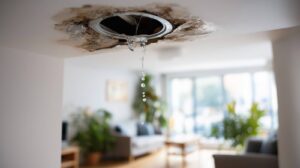
When you engage in sewage cleanup, it’s essential to understand the health risks involved. Bacterial and viral infections, gastrointestinal issues, respiratory problems, and skin irritations are just a few dangers lurking in contaminated environments. Each risk carries its own implications for your health and safety. By knowing these threats, you can better prepare yourself for the challenges ahead and implement necessary precautions. But what specific measures should you take to protect yourself effectively?
Key Takeaways
- Exposure to sewage can introduce harmful bacteria like E. coli and Salmonella, leading to serious infections.
- Viruses such as hepatitis A, norovirus, and rotavirus are easily transmitted through contaminated water, posing significant health risks.
- Contaminated water can cause gastrointestinal issues, including diarrhea, nausea, and vomiting, due to pathogens present in untreated sewage.
- Sewage exposure can lead to respiratory problems, as it releases allergens and irritants that may worsen asthma and other lung conditions.
- Skin irritations, ranging from mild rashes to severe infections, can occur from direct contact with sewage, necessitating protective clothing during cleanup.
Bacterial Infections
Bacterial infections pose a significant health risk when individuals are exposed to sewage. When you come into contact with contaminated water or surfaces, harmful bacteria like E. coli and Salmonella can enter your body, leading to severe illnesses.
One of the growing concerns is antibiotic resistance, which makes treating these infections more challenging. As bacteria evolve, they develop resistance to commonly used antibiotics, which can complicate recovery.
To protect yourself and your community, adopting effective prevention strategies is essential. Always wash your hands thoroughly after potential exposure, avoid drinking untreated water, and maintain proper sanitation practices in your surroundings.
If you suspect an infection, seek medical attention promptly to prevent complications. By staying informed and proactive, you can minimize your risk of bacterial infections related to sewage exposure and contribute to a healthier environment for everyone.
Viral Infections
When you come into contact with sewage, you’re at risk of exposure to various viral infections that can greatly impact your health.
Viruses such as hepatitis A, norovirus, and rotavirus can be present in contaminated water. These pathogens are capable of rapid viral transmission, making it vital to understand the risks associated with sewage exposure.
To minimize your chances of infection, infection prevention measures are important. Always wear protective gear, including gloves and masks, when cleaning up sewage.
Avoid direct contact with contaminated materials, and wash your hands thoroughly after handling potentially infected items.
If you notice symptoms like fever, fatigue, or gastrointestinal distress, seek medical attention promptly.
Being aware of these risks and taking appropriate precautions can help you protect yourself and your community from the serious health consequences of viral infections related to sewage exposure.
Gastrointestinal Issues
How can exposure to sewage lead to gastrointestinal issues that disrupt your health? When you come into contact with contaminated water, harmful pathogens can enter your system, causing serious digestive problems.
These pathogens, often found in untreated sewage, can lead to infections like gastroenteritis, resulting in symptoms such as diarrhea, nausea, and vomiting.
Inadequate sanitation practices further exacerbate these risks, as they allow for the spread of bacteria and viruses. It’s essential to understand that even minor exposure can result in significant health issues.
If you live in areas with poor sanitation, you’re at a higher risk for these gastrointestinal problems.
To protect your well-being, prioritize hygiene by avoiding contaminated water sources and advocating for improved sanitation practices in your community.
Respiratory Problems
Exposure to sewage doesn’t just affect your gastrointestinal health; it can also lead to serious respiratory problems. When you breathe in contaminated air, you’re at risk for various complications that can greatly influence your quality of life.
Here are three key issues to bear in mind:
Asthma triggers: Sewage can release allergens and irritants that exacerbate asthma symptoms, making it difficult to breathe.
Chemical exposure: Harmful chemicals found in sewage can irritate your lungs, leading to chronic respiratory conditions.
Infections: Exposure to pathogens in sewage increases the likelihood of respiratory infections, which could require medical attention.
It’s essential to understand these risks. By recognizing the potential threats sewage exposure poses to your respiratory health, you can take proactive measures to protect yourself and your loved ones.
Prioritizing safety during cleanup can foster a sense of belonging in a community that values health and well-being.
Skin Irritations
Sewage exposure can lead to a variety of skin irritations that range from mild rashes to severe infections. When you come into contact with contaminated water, your skin can react negatively, triggering skin allergies or dermatitis.
These reactions often manifest as redness, itching, or swelling, which can be uncomfortable and distressing.
It’s vital to address any symptoms promptly. For mild cases, over-the-counter creams may offer relief, but if symptoms persist, seeking professional advice is essential for effective dermatitis treatment.
Ignoring these irritations can lead to more serious infections, especially if bacteria enter through broken skin.
To minimize risks, always wear protective clothing when dealing with sewage cleanup. Being proactive about your health protects you and fosters a sense of community responsibility.
Frequently Asked Questions
What Personal Protective Equipment Is Recommended for Sewage Cleanup?
You should wear protective gloves and a respirator mask during sewage cleanup. These items safeguard you from harmful pathogens and contaminants, ensuring your safety while you work to restore a clean environment for everyone.
How Should Sewage-Contaminated Clothing Be Cleaned?
To handle sewage cleanup, treat your contaminated clothing with care. Wash it separately in hot water using a strong detergent, then dry it thoroughly. This ensures your clothing remains safe and fresh for future wear.
Are There Long-Term Health Effects From Sewage Exposure?
Yes, there can be long-term illnesses from sewage exposure. Sewage pathogens may lead to chronic health issues, affecting your immune system and overall well-being. It’s crucial to take precautions to minimize these risks.
What Should I Do if I Ingest Sewage Water?
If you ingest sewage water, seek immediate medical attention. Symptoms may include nausea, vomiting, diarrhea, and fever. It’s vital to get evaluated promptly to prevent complications and ensure your health remains a priority.
How Can I Safely Dispose of Sewage Waste?
To safely dispose of sewage waste, you can implement composting toilets as a sustainable sewage disposal method. Adopting effective waste management practices protects the environment and promotes community health, fostering a safer, cleaner living space for everyone.
Conclusion
In the domain of sewage cleanup, the lurking dangers are akin to invisible specters, haunting every step you take. Bacterial and viral infections, gastrointestinal concerns, respiratory issues, and skin irritations can swiftly turn a seemingly manageable task into a health nightmare. By donning protective gear and adhering to strict hygiene practices, you can shield yourself from these threats. Remember, a moment of caution can prevent a cascade of health complications, ensuring you emerge unscathed from this hazardous endeavor.