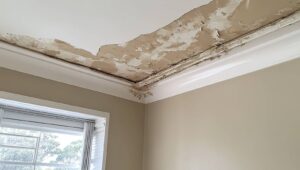
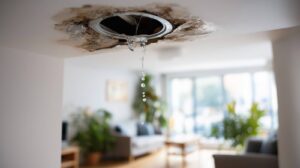
Imagine standing in the aftermath of a storm, where chaos reigns and every second counts. When emergencies strike, knowing effective emergency leanup strategies can make all the difference. From evaluating safety hazards to gathering the right supplies, each step is vital. What’s your plan for tackling contaminated areas and preventing future mishaps? Let’s explore the essential tips that can guide you through a swift and safe cleanup process.
Key Takeaways
- Evaluate the situation for hazards and ensure everyone’s safety before starting the cleanup process.
- Gather essential supplies, including protective gear, cleaning tools, and a first aid kit for minor injuries.
- Remove standing water and debris promptly using appropriate equipment and heavy-duty trash bags for contaminated items.
- Disinfect all affected surfaces thoroughly, focusing on high-touch areas, and follow recommended contact times for disinfectants.
- Implement preventive measures, such as regular plumbing inspections and proper sewage maintenance, to avoid future issues.
Assessing the Situation and Ensuring Safety
When you face an emergency cleanup situation, the first step is to assess the area and ensure everyone’s safety. Conduct a situation evaluation to identify potential hazards, such as broken glass, chemicals, or unstable structures. Quickly scan for any injured individuals and prioritize their needs.
Once you’ve assessed the area, implement safety protocols to protect yourself and others. This might include wearing gloves, masks, or protective eyewear, depending on the nature of the cleanup.
If necessary, evacuate those in the immediate vicinity to a safe location.
Communicate clearly with everyone involved, ensuring they understand the risks and the steps to take. Encourage teamwork; working together fosters a sense of belonging and support during stressful times.
Gathering Essential Cleanup Supplies
Gathering the right cleanup supplies is crucial for an effective response to any emergency situation. Start by assembling a thorough cleanup kit. This kit should include essential tools like gloves, masks, trash bags, and disinfectants. Having these items on hand ensures you’re prepared for whatever challenges arise.
Don’t forget to include protective gear, such as goggles and sturdy footwear, to keep yourself safe while you work. If possible, add a first aid kit to handle any minor injuries that may occur during the cleanup process.
Consider organizing your supplies in a designated area, making them easy to access when time is of the essence. You might also want to include a checklist to ensure you have everything you need.
Removing Contaminated Water and Waste
Once you’ve assembled your cleanup supplies, the next step involves efficiently removing contaminated water and waste.
Start with water extraction to eliminate standing water, which can lead to mold and further damage. Use a wet/dry vacuum or a pump, depending on the volume of water. If the area is large, consider enlisting help from friends or family to speed up the process.
After extracting the water, focus on waste disposal. Safely collect any debris, organic material, or contaminated items in heavy-duty trash bags.
Make sure to wear gloves and masks to protect yourself from harmful substances. Dispose of these bags in accordance with local regulations, as improper disposal can be hazardous.
Keep the area well-ventilated to aid drying.
Once you’ve tackled water and waste, you’ll create a safer environment, ensuring you’re on the right path to recovery.
Disinfecting and Sanitizing Affected Areas
After you’ve removed contaminated water and waste, disinfecting and sanitizing affected areas becomes essential to preventing further health risks.
You’ll want to act quickly and ensure everything is thoroughly cleaned. Here are some key steps:
- Use a suitable disinfectant on surfaces to kill harmful bacteria.
- Don’t forget to sanitize tools like mops and buckets after use.
- Pay special attention to high-touch areas, such as doorknobs and light switches.
- Allow disinfectants to sit for the recommended time to maximize effectiveness.
- Always wear protective gear, like gloves and masks, during the process.
Preventing Future Sewage Backup Issues
Even with thorough disinfecting and sanitizing, preventing future sewage backups is essential for maintaining a safe and healthy environment.
Start by scheduling regular plumbing inspections to catch potential problems early. Inspect your pipes for wear and tear, and replace any that show signs of damage.
Additionally, practice good sewage maintenance by being mindful of what you flush down the toilet and pour down the drains. Avoid flushing wipes, grease, or any non-biodegradable items, as these can quickly lead to blockages.
Consider installing backwater valves, which can prevent sewage from flowing back into your home during heavy rains or system failures.
Lastly, keep your yard free of debris that could clog outdoor drains.
Frequently Asked Questions
What Should I Do With Damaged Personal Items?
Sort through your damaged belongings, documenting each item with photos. Check your insurance policy for coverage, and file claims promptly. Dispose of irreparable items responsibly while keeping records for potential reimbursement. Stay organized throughout the process.
How Can I Protect Myself During Cleanup?
You should wear protective equipment like gloves, masks, and goggles, ensuring your personal safety during cleanup. Think of a knight preparing for battle; arm yourself against hazards to emerge unscathed and ready to restore order.
Are There Specific Safety Gear Recommendations?
Yes, you should always wear safety gloves to protect your hands and use protective clothing to shield your body from contaminants. These items help ensure you stay safe and comfortable while managing any cleanup situation.
How Long Does It Take for Areas to Dry?
Drying times vary greatly; while some areas may dry quickly, others linger with high moisture levels. You can expect anywhere from a few hours to days, depending on the conditions and materials involved.
When Should I Seek Professional Help?
You should call for professional help when the damage exceeds your expertise. If structural integrity is compromised or mold begins to develop, don’t hesitate—experts can ensure safety and restore your space effectively and efficiently.
Review
In emergencies, effective cleanup is essential, and you might think it’s too overwhelming to tackle alone. However, by following these steps and gathering the right supplies, you can manage the situation confidently. Assess your surroundings, remove waste promptly, and disinfect thoroughly to ensure safety. Remember, taking these steps restores order and protects your health and others’ well-being. Don’t hesitate—act swiftly, and you’ll make a significant difference in the aftermath.