When disaster strikes, how prepared are you to face the aftermath? Effective flood damage cleanup isn’t just about cleaning up; it’s a systematic process that requires careful attention to detail. From ensuring your safety to documenting every step, each action plays a significant role in your recovery. Let’s explore the essential steps you need to take for a thorough and safe cleanup, ensuring you don’t miss anything important in this challenging time.
Key Takeaways
- Ensure safety by shutting off electrical systems and wearing protective gear before entering flooded areas.
- Remove standing water promptly using pumps or wet vacuums to minimize damage and prevent mold growth.
- Dry out affected areas with fans and dehumidifiers to enhance air circulation and control moisture levels.
- Clean and disinfect all surfaces thoroughly to eliminate contaminants and reduce health risks.
- Document the damage and cleanup process with photographs for insurance claims and future reference.
Assess the Damage
When you step into your home after a flood, it’s essential to assess the damage methodically, as knowing the extent of the destruction can guide your cleanup efforts.
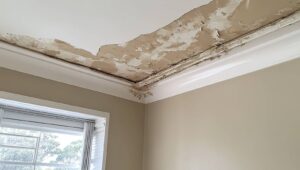
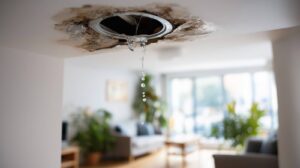
Start by documenting everything with photos and notes, focusing on water levels, damaged furniture, and structural issues. This damage assessment helps you understand what needs to be addressed and prepares you for filing a claim with your flood insurance.
As you examine each room, consider the emotional toll this process may take. It’s okay to feel overwhelmed; remember, you’re not alone in this.
Reach out to friends or family for support, and don’t hesitate to ask for help. Prioritize safety and avoid areas that seem unstable.
Ensure Safety First
Before you start any cleanup, it’s essential to assess the structural integrity of your home—look for cracks, sagging walls, or unstable floors.
Don’t forget to wear protective gear like gloves, boots, and masks to shield yourself from potential hazards.
Your safety comes first, so take the time to ensure you’re in a secure environment before proceeding.
Assess Structural Integrity
Evaluating the structural integrity of your home after a flood is essential for ensuring everyone’s safety.
Begin your inspection with structural evaluations, focusing on any visible damage to walls, ceilings, and beams. Look for cracks, warping, or signs of settling that might indicate deeper issues.
Pay special attention to your foundation; a thorough foundation evaluation can reveal if water has compromised its stability.
Don’t hesitate to document your findings and consult a professional if needed.
It’s important to approach this process with care and empathy, as the safety of your loved ones and the security of your home depend on it.
Wear Protective Gear
After evaluating your home’s structural integrity, it’s time to prioritize your personal safety. Flood cleanup can expose you to hazardous materials and contaminants, so wearing protective clothing is essential.
Start with waterproof boots to keep your feet dry and prevent slips, followed by gloves to shield your hands from sharp objects and chemicals. A mask is vital to avoid inhaling mold spores and dust, while safety goggles protect your eyes from debris.
Don’t overlook sturdy clothing that covers your arms and legs, as this helps prevent injuries. By equipping yourself with the right safety equipment, you’re not just protecting yourself; you’re also fostering a sense of community and support as you tackle this challenging task together with others.
Remove Standing Water
Once you’ve ensured your safety, it’s essential to start removing standing water as soon as possible.
Using a pump can help you efficiently clear the area, but make certain to take necessary safety precautions, such as wearing rubber boots and gloves.
Acting quickly minimizes damage and helps prevent mold growth, so stay focused and methodical in your approach.
Use a Pump
When a flood ravages your property, one of the first priorities is to remove standing water, and using a pump can make this process considerably easier and more efficient.
Start by selecting the right pump type for your needs, whether it’s a submersible or utility pump. Make certain you perform proper pump maintenance before use to prevent any malfunctions during this critical time.
Once you’ve set up the pump, position it in the deepest area of standing water. Remember, the goal is to minimize water damage and prevent mold growth.
While it may feel overwhelming, taking these steps will help restore your home. You’re not alone in this; many people face similar challenges and find strength in community support.
Safety Precautions First
Before you plunge into the flood damage cleanup, it’s essential to prioritize your safety. Start by wearing protective gear, like waterproof boots and gloves, to shield yourself from contaminants.
Ascertain that your emergency kits are stocked with essentials like water, non-perishable food, and first-aid supplies. Before removing standing water, check for electrical hazards; if in doubt, call a professional.
If you’re using a pump, make sure it’s safely set up and grounded. Always be aware of your surroundings; look out for structural damage that could pose risks.
Dry Out the Affected Areas
Drying out the affected areas is an essential step in flood damage cleanup that can greatly reduce the risk of mold growth and further structural damage.
You’ll want to act quickly to ensure moisture control and promote air circulation throughout your space. Here are some effective methods to take into account:
Use Fans and Dehumidifiers: Place fans in strategic locations to enhance air circulation and reduce humidity levels.
Open Windows and Doors: If the weather permits, open windows and doors to facilitate airflow and help dry out the space naturally.
Remove Wet Materials: Take out soaked carpets, furniture, and any other materials that retain moisture.
Clean and Disinfect Surfaces
Once you’ve dried out the affected areas, it’s time to focus on cleaning and disinfecting surfaces to eliminate contaminants and prevent health risks.
Begin by gathering your cleaning supplies—mops, buckets, and a suitable disinfectant. For effective surface sanitization, choose a disinfectant that’s appropriate for the materials in your home.
Start applying your disinfectant using the label’s recommended methods. Make sure you cover all surfaces, paying close attention to high-touch areas like doorknobs and light switches.
Allow the disinfectant to sit for the time indicated on the label to maximize its effectiveness.
After disinfecting, rinse surfaces with clean water to remove any residues that might linger. This step is essential for the safety of both your family and pets.
Remove Damaged Materials
As you assess the aftermath of the flooding, it’s vital to remove any materials that have been severely damaged or contaminated. This step is important for your safety and for preventing further issues down the line.
Utilizing effective damage removal techniques will help you navigate this challenging process.
Consider these key areas while removing damaged materials:
Identify: Determine what items are beyond repair, including furniture, carpets, and drywall.
Categorize: Separate salvageable items from those that need disposal; this can make cleanup more manageable.
Dispose: Use appropriate debris disposal methods, like hiring a waste removal service or contacting local authorities for hazardous waste guidance.
Check for Mold Growth
How can you ensure your home is safe after a flood? One essential step is to check for mold growth, which can develop rapidly in damp environments.
Start by inspecting areas that were affected by water, such as walls, ceilings, and flooring. Look for dark spots or a musty smell—both are signs of mold. Act quickly, as early detection is critical for mold prevention.
Next, maintain humidity control in your home. Use dehumidifiers and ensure proper ventilation to keep moisture levels low, ideally below 60%.
If you spot any mold, don’t hesitate to remove it immediately, using protective gear to safeguard your health.
Restore and Repair Affected Structures
Begin the restoration process by evaluating the structural damage in your home. It’s essential to assess how the flood has impacted your walls, floors, and foundation. Look for signs of instability and consult a professional if needed. Your flood insurance may cover some repair costs, so be certain to document everything.
Consider these restoration techniques to guide your efforts:
Drying and Dehumidification: Remove excess moisture to prevent further damage.
Structural Reinforcement: Strengthen weakened areas to ensure safety.
Replacing Damaged Materials: Remove and replace any irreparably damaged components.
Taking these steps will help you restore your home and create a safe space for you and your loved ones.
Monitor for Future Issues
Once you’ve restored your property, it’s essential to monitor for future issues to prevent further damage.
Regular property inspections can help you catch potential problems early, while installing flood sensors provides an extra layer of protection.
Additionally, maintaining your drainage systems ensures that water flows away from your home, safeguarding your space from future flooding risks.
Regular Property Inspections
While you might think your property is safe after a flood, regular inspections are essential for identifying potential issues before they escalate.
By prioritizing inspection frequency, you ensure your property’s long-term health and safety.
Here are three key areas to focus on during your inspections:
Check for mold growth: Look in hidden areas, like behind walls and in attics, where moisture may linger.
Inspect structural integrity: Examine the foundation, walls, and roof for cracks or damage that could worsen over time.
Assess plumbing and electrical systems: Confirm that there are no leaks or short-circuits that could pose risks.
Regular property maintenance through thorough inspections fosters peace of mind and helps you stay connected to your home’s well-being.
Install Flood Sensors
Flood sensors serve as your first line of defense against future water damage. By utilizing advanced flood sensor technology, you can monitor areas prone to flooding, giving you peace of mind.
Installing these sensors is straightforward and can be done in key locations, like basements and near water heaters. The installation benefits are significant; you’ll receive real-time alerts on potential leaks or rising water levels, allowing you to act quickly and minimize damage.
This proactive approach protects your property and fosters a sense of community, as you’re taking steps to safeguard your home and loved ones. Embracing flood sensors shows you care about your space and the well-being of those you share it with.
Maintain Drainage Systems
Properly maintaining your drainage systems is crucial for preventing future flooding issues. Neglecting your drainage can lead to disastrous consequences, so regular inspections and maintenance are key.
Here are some essential steps to take into account:
Perform routine drainage inspections to check for clogs or damage.
Clear debris from gutters and drains regularly to ensure proper flow.
Monitor for signs of wear and tear that could lead to bigger problems down the line.
Document the Cleanup Process
When tackling the aftermath of a flood, documenting the cleanup process is essential for both recovery and future reference. Start by taking photographic evidence of the damage before you begin any repairs. These images will serve as a visual record, helping you understand the extent of the loss.
As you progress, maintain detailed logs of every step you take—this includes what you’ve cleaned, repairs made, and any materials used. These logs help you stay organized and are vital when dealing with insurance claims or future renovations.
Share your findings with family or neighbors who might be going through similar situations; knowing you’re not alone fosters a sense of community. Remember, each detail you document is a step toward healing and rebuilding.
Frequently Asked Questions
How Long Does the Flood Damage Cleanup Process Typically Take?
The flood damage cleanup timeline typically spans days to weeks, depending on severity. You’ll navigate recovery phases, from initial assessment to restoration, ensuring each step is thorough, supporting your journey back to normalcy with care and understanding.
Can I Handle Flood Cleanup Without Professional Help?
You can handle flood cleanup without professional help, but remember that many DIY cleanup attempts fail. Assess your situation carefully, prioritize safety, and make certain you have the right tools and knowledge before starting.
What Are the Costs Associated With Flood Damage Cleanup?
Flood damage cleanup costs vary, typically including a cost breakdown for cleanup materials like disinfectants, pumps, and drying equipment. You’ll also want to factor in disposal fees and possible structural repairs for a thorough budget.
Are There Insurance Coverage Options for Flood Damage?
You’ve got several flood insurance options, including federal and private policies. However, be aware of coverage limitations; not all damages may be included. Understanding these can help you feel more secure during tough times.
What Personal Protective Equipment Is Recommended During Cleanup?
As you wade through the aftermath, wearing protective gear like gloves, masks, and boots is essential. Following safety protocols ensures you stay safe while navigating uncertainty, fostering a sense of community and resilience during recovery.
Conclusion
Effective flood damage cleanup is vital for restoring your home and ensuring safety. By following these ten steps, you mitigate immediate risks and lay the groundwork for a healthier living environment. Remember, it’s essential to stay vigilant and proactive in your cleanup efforts. Sharing your experiences with neighbors can build a stronger, more resilient community in the face of future challenges.