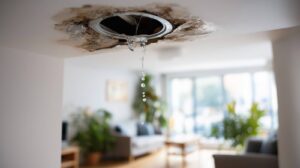
When facing flood damage, it’s essential to act quickly and methodically. Start by evaluating the extent of the damage and ensuring your safety. Turn off utilities to prevent hazards, then focus on removing standing water. Each step you take plays an important role in restoring your property and protecting your health. Understanding the entire cleanup process is fundamental, so let’s explore the key steps you need to follow for an effective recovery.
Key Takeaways
- Conduct a thorough assessment of damage, documenting affected areas and items for insurance claims.
- Ensure safety by turning off utilities and wearing protective gear during the cleanup process.
- Remove standing water quickly using pumps and wet vacuums, and use dehumidifiers for drying.
- Salvage belongings promptly, prioritizing items by sentimental and monetary value, while documenting their condition.
- Plan for repairs and restoration, seeking professional help when necessary, and address emotional impacts through community support.
Assessing the Damage
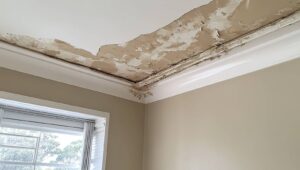
When evaluating the damage after a flood, start by taking a thorough inventory of affected areas. Your first step in the damage assessment process is to identify which spaces suffered water exposure. Look for signs such as discoloration, warping, or any mold growth.
Next, assess the structural integrity of your home. Check load-bearing walls, beams, and the foundation for cracks or instability. Don’t overlook floors and ceilings; they’re just as essential to your home’s safety.
Document everything with photos and notes, as this will help you during insurance claims and future repairs. Be systematic—work through each room methodically.
If you notice significant damage, it might be wise to consult a professional contractor. Remember, understanding the extent of the damage will guide your cleanup efforts and help you create a safe living environment again. You’re not alone in this; your community is here to support you.
Ensuring Safety Precautions
Before diving into cleanup, it’s essential to confirm your safety and that of others. Start by familiarizing yourself with flood safety guidelines. Always wear personal protective equipment (PPE) like gloves, rubber boots, and masks to shield yourself from contaminants and hazards. Confirm your clothing is durable and appropriate for the conditions.
Next, check for hazards in your environment, such as unstable structures or exposed electrical wires. It’s wise to work in teams—this enhances safety and fosters a sense of community.
Make sure to have a first aid kit on hand and know how to reach emergency services if needed.
Lastly, keep children and pets away from the work area. By prioritizing safety, you protect yourself and create a secure environment for those around you.
Turning Off Utilities
When dealing with flood damage, your safety is the top priority.
Before you start any cleanup, locate and turn off the main shutoffs for electricity, gas, and water.
This step will help prevent further hazards as you assess the situation.
Safety First
Although it may be tempting to jump right into cleanup after a flood, prioritizing safety by turning off utilities is essential.
Before you begin, make sure to address these key safety steps:
- Turn off electricity: This prevents electrical hazards and reduces the risk of shock.
- Shut off gas: Gas leaks can be dangerous, so it’s vital to stop the flow.
- Disconnect water supply: This helps avoid further flooding and contamination.
Once you’ve turned off utilities, check in with your emergency contacts and confirm your flood insurance details.
This way, you’re protecting yourself and ensuring you’re prepared for the next steps in this challenging situation.
Locate Main Shutoffs
To ensure a safe cleanup after a flood, you must locate the main shutoffs for electricity, gas, and water promptly.
Start by finding your electrical panel and shutting off the main breaker to prevent any electrical hazards.
Next, locate the gas shutoff valve, usually found near your gas meter. Turn it off to avoid any gas leaks.
Finally, identify the water mains; these are typically near the perimeter of your home. Close the shutoff valves to prevent further flooding and water damage.
Remember, acting quickly can help protect you and your property. If you’re unsure about handling utilities, don’t hesitate to contact professionals for assistance.
Safety is your priority during this critical time.
Removing Standing Water
Before you start removing standing water, prioritize safety by wearing protective gear and ensuring the area is stable.
Use the right equipment, like pumps and wet vacuums, to efficiently remove water and minimize damage.
Taking these precautions will help you tackle the cleanup process effectively.
Safety Precautions First
As you prepare to remove standing water from your flooded space, prioritizing safety is essential.
Before diving in, gather your personal protective equipment and ensure you have the right emergency supplies on hand. This will help protect you from potential hazards.
Follow these important precautions:
- Wear waterproof boots and gloves to shield against contaminants.
- Use a mask to avoid inhaling mold spores or harmful particles.
- Disconnect electrical appliances to prevent shock hazards.
Use Proper Equipment
Having the right equipment is vital for effectively removing standing water from your flooded area. Start by using flood pumps, which are designed to quickly and efficiently extract water. Select a pump that is suited to the size of your space to ensure optimal performance.
After pumping, it’s important to check for residual moisture. That’s where moisture meters come in handy. These devices help you identify areas that may still be damp, making sure you don’t overlook hidden water pockets.
Drying and Dehumidifying the Area
After a flood, promptly drying and dehumidifying the area is essential to prevent further damage and mold growth.
Start by using fans and dehumidifiers to help manage moisture levels. Adjust your dehumidifier settings according to the humidity in the room—higher settings may be necessary in particularly damp conditions.
Consider these steps for effective drying:
- Ventilation: Open windows and doors to allow airflow.
- Temperature Control: Keep the area warm, as heat helps evaporate moisture.
- Monitoring: Regularly check moisture levels with a hygrometer to ensure you’re on track.
Cleaning and Sanitizing Surfaces
Cleaning and sanitizing surfaces is essential in the aftermath of a flood to eliminate harmful contaminants and prevent mold growth. Start by removing any debris and excess moisture from affected areas.
Once the surfaces are dry, choose appropriate surface treatments that suit the materials in your home. For hard surfaces, use effective disinfectants that can kill bacteria and viruses. Make sure to follow the manufacturer’s instructions for proper dilution and application.
Pay special attention to high-touch areas like doorknobs, light switches, and countertops. Use a clean cloth or sponge, ensuring you cover each surface thoroughly.
For porous materials, like carpets or upholstery, consider professional cleaning or replacement if they’ve absorbed too much water. Don’t rush this step; proper cleaning and sanitizing will help create a safe environment for you and your family.
Inspecting for Mold Growth
Since mold can start to grow within 24 to 48 hours after a flood, it’s crucial to inspect your home for any signs as soon as possible.
Early detection is key to effective mold prevention. Use these inspection techniques to help you identify potential issues:
Check damp areas: Focus on basements, crawl spaces, and around windows where moisture can accumulate.
Look for discoloration: Dark spots on walls, ceilings, or floors can indicate mold growth.
Smell for musty odors: A persistent, damp smell often suggests hidden mold.
Once you’ve identified problem areas, take immediate action to dry and clean them.
This helps protect your home and fosters a healthy environment for you and your loved ones.
Salvaging and Restoring Contents
As you begin the process of salvaging and restoring contents after a flood, prioritize items based on their material and sentimental value.
Start with personal item salvage, focusing on photographs, documents, and keepsakes. Rinse these items gently with clean water, then air-dry them to prevent further damage.
Next, assess your furniture for restoration potential. If it’s made from solid wood, it may be salvageable. Clean off mud and debris, then allow it to dry completely.
Depending on the damage, you might need to refinish or reupholster pieces to restore their original charm.
Consider working with professionals for extensive furniture restoration, especially with valuable or antique items.
Don’t forget to document the condition of salvaged items for insurance claims.
Taking these steps helps reclaim your belongings and supports the emotional healing process after a flood.
Documenting the Cleanup Process
After salvaging your belongings, documenting the cleanup process becomes an essential step in managing the aftermath of a flood.
By maintaining records, you track your progress and create a valuable resource for insurance claims and future reference.
Here are some key actions to take into account:
Photograph damage: Take clear pictures of affected areas and items. Visual evidence is vital for insurance purposes.
Keep receipts: Save all receipts related to repairs, cleaning supplies, and restoration services. This helps in proving expenses incurred during the process.
Note repair progress: Create a timeline that outlines each step taken in the cleanup. This can help you stay organized and demonstrate your efforts to insurers.
Frequently Asked Questions
How Long Does Flood Damage Cleanup Typically Take?
Flood damage cleanup typically takes a few days to several weeks, depending on the extent of the damage. You’ll want to establish a clear restoration timeline to ensure everything’s addressed thoroughly and efficiently.
Should I Hire a Professional or Do It Myself?
You should consider hiring professional services for flood damage cleanup. While DIY cleanup might save money, experts ensure thorough restoration and safety. Trust their experience to handle complex issues efficiently, giving you peace of mind.
What Are the Signs of Hidden Water Damage?
Look for signs like mold growth, warped walls, or damp odors. If you notice discoloration or peeling paint, it’s essential to address potential hidden water damage, as it can compromise your home’s structural integrity.
How Can I Prevent Future Flood Damage?
To prevent future flood damage, install flood barriers around your property and improve drainage systems. Regularly inspect and maintain these features to ensure they effectively protect your home from potential water intrusion and damage.
Is Flood Insurance Necessary for Homeowners?
Yes, flood insurance is necessary for homeowners. It offers essential coverage against flood damage, safeguarding your property and finances. Without it, you risk facing significant costs that homeowners’ coverage alone won’t cover during a flood event.
Final Thoughts
In the aftermath of a flood, remember that each step you take is like putting together pieces of a puzzle. By evaluating damage, ensuring safety, and diligently cleaning, you’re restoring your property while reclaiming your peace of mind. Don’t hesitate to seek help and document everything for insurance. As you navigate this journey, stay resilient—the sun will shine again, and with time, your space will transform back into a home.