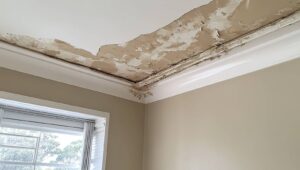
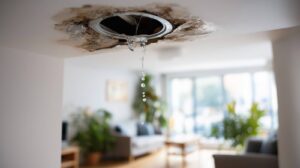
When dealing with mold after water damage, it’s essential to act quickly and methodically. First, you need to assess the extent of the growth to determine the right mold remediation approach. Establishing containment is key to prevent spores from spreading. With the right personal protective equipment, you can safely engage in cleaning and disinfecting. But that’s just the beginning; understanding the significance of drying techniques and post-remediation checks is important for long-term success.
Key Takeaways
- Conduct a thorough inspection for moisture and mold types before starting remediation efforts.
- Establish containment barriers to prevent mold spores from escaping the affected area.
- Use appropriate personal protective equipment (PPE) to protect yourself during the cleanup process.
- Clean and disinfect affected surfaces, ensuring to remove porous materials deeply infiltrated by mold.
- Implement moisture control strategies, such as ventilation and dehumidifiers, to prevent future mold growth.
Assessing the Extent of Mold Growth
When it comes to evaluating the extent of mold growth, you’ll need to conduct a thorough inspection of the affected area.
Start by identifying the different mold types present, as they can vary greatly in their impact on health and structures. Common mold types include Aspergillus, Cladosporium, and Stachybotrys.
Next, assess the growth conditions that foster mold development, such as moisture levels, temperature, and organic material availability. Use a moisture meter to determine humidity levels and inspect for water damage, damp surfaces, or leaks.
Pay close attention to hidden areas like behind walls or under carpets where mold might thrive unnoticed.
Document your findings meticulously, noting the severity and extent of the growth. This data is vital for formulating an effective remediation strategy and ensuring a safe environment for everyone involved.
Understanding these factors equips you to tackle mold issues effectively.
Containment Strategies for Mold
To effectively manage mold remediation, you must implement containment strategies that prevent spores from spreading to unaffected areas.
Start by establishing containment barriers, such as plastic sheeting, to isolate the contaminated space. Seal all openings, including doors and vents, to ensure no mold particles escape during the cleanup process.
Next, create negative pressure within the containment area. This can be achieved by using a HEPA-filtered air scrubber or fan that exhausts air outside the building. This strategy helps draw air into the contaminated zone, minimizing the risk of spores migrating to other rooms.
Ascertain that workers enter and exit through designated access points, maintaining the integrity of the containment barriers.
Personal Protective Equipment (PPE) for Safety
Implementing effective containment strategies is just one part of safe mold remediation; safeguarding yourself with the right personal protective equipment (PPE) is equally important.
To protect yourself during mold removal, you need to understand the various PPE types available. Essential items include N95 respirators, which filter out harmful spores, and protective eyewear to shield your eyes from irritants. Disposable coveralls and gloves can prevent skin contact with mold.
It’s essential to adhere to safety protocols when selecting and using PPE. Verify your respirator fits properly and is rated for mold exposure. Always inspect your equipment for damage before use and dispose of any single-use items safely after the job.
Cleaning and Disinfecting Surfaces
When cleaning and disinfecting surfaces affected by mold, you need to choose effective mold removal solutions tailored to the specific surfaces.
Various disinfectants are available that kill mold spores and prevent future growth.
Mold Removal Solutions
Although mold can pose considerable health risks, effective cleaning and disinfecting surfaces can greatly reduce its presence.
Start by identifying areas where mold growth is likely, such as damp or humid locations. Use a mixture of water and detergent to scrub these surfaces thoroughly.
For porous materials, like drywall, removal might be necessary since mold can infiltrate deeply. After cleaning, apply a disinfectant specifically designed to combat mold. This step is essential in preventing future mold growth.
To enhance prevention strategies, keep surfaces dry and well-ventilated. Regularly inspect your home for moisture issues, and address leaks promptly.
Effective Disinfectant Options
To effectively combat mold and its spores, selecting the right disinfectant is essential. Focus on disinfectant effectiveness to ensure you’re eliminating harmful organisms. Common options include bleach, hydrogen peroxide, and commercial mold removers.
However, if you’re environmentally conscious, consider eco-friendly options like vinegar or tea tree oil, which are both effective and less harmful to your surroundings.
Always follow the manufacturer’s guidelines for application and contact time, as this can greatly impact the disinfectant’s ability to work. Remember to wear protective gear during the process to maintain safety.
Surface Treatment Techniques
After selecting the appropriate disinfectant, the next step involves applying effective surface treatment techniques. You’ll want to explore various surface treatment options, such as scrubbing, wiping, or spraying, to ensure thorough cleaning.
Use a microfiber cloth or sponge to remove contaminants, and always follow the manufacturer’s instructions for the disinfectant. For porous surfaces, consider surface protection methods like sealants to prevent future mold growth.
It’s essential to allow treated surfaces to dry completely, as moisture can encourage mold re-emergence. Regularly inspect surfaces and maintain a clean environment to enhance long-term protection.
Removal of Affected Materials
When mold contamination occurs, the immediate removal of affected materials is vital to prevent further growth and health risks. You must identify and assess all affected surfaces, including drywall, insulation, and carpeting. If these materials show signs of significant mold growth or are water-damaged, they’ll likely need disposal.
Always wear proper protective gear, such as gloves and masks, to safeguard your health during this process. Carefully cut and remove the affected materials, ensuring you contain any debris to prevent spores from spreading.
Use plastic sheeting to seal off the area, and place the removed materials in sealed bags for safe disposal. It’s essential to follow local regulations regarding material disposal to ensure safety and compliance.
Drying and Dehumidification Techniques
To effectively combat mold, you need to implement proper drying and dehumidification techniques.
Focus on air movement strategies to enhance evaporation and ensure dehumidifiers are strategically placed for ideal moisture removal.
This approach minimizes humidity levels and accelerates the drying process, essential for preventing mold regrowth.
Air Movement Strategies
Effective air movement strategies are essential for successful mold remediation, as they facilitate drying and dehumidification processes that inhibit mold growth.
To achieve ideal airflow management, you should utilize fans and air movers to enhance circulation. Positioning these devices strategically can maximize their effectiveness.
Implementing proper ventilation techniques, like opening windows and doors, can further assist in expelling humid air and drawing in drier air from outside.
Verify that you’re monitoring humidity levels consistently with hygrometers, adjusting your methods as needed.
Remember, maintaining consistent airflow helps in drying surfaces and reduces the chances of mold spores settling and thriving.
These combined strategies will greatly improve your remediation efforts, fostering a healthier living environment.
Dehumidifier Placement Tips
How can you ensure ideal dehumidifier placement during mold remediation?
First, assess the dehumidifier types available, confirming you select one suited for your space’s size and moisture levels.
Place your dehumidifier in the center of the affected area to maximize airflow and efficiency. Keep it at least a foot away from walls or obstacles to promote optimal settings.
Monitor humidity levels regularly, aiming for 30-60% relative humidity, and adjust the settings as needed.
If you’re addressing multiple rooms, consider using several units simultaneously for thorough coverage.
Finally, confirm doors and windows stay closed during operation to prevent external humidity from affecting your progress.
Following these tips will help mitigate mold growth effectively.
Post-Remediation Verification and Prevention
Successful mold remediation doesn’t end with just removal; post-remediation verification is essential to confirm the problem doesn’t return. After you’ve addressed the mold, utilize mold inspection methods to evaluate the effectiveness of your remediation efforts. This involves checking for residual moisture and potential mold growth in previously affected areas.
Implement moisture control strategies to prevent future issues. Ascertain your space has proper ventilation and humidity levels remain below 60%. Regularly inspect areas prone to dampness, such as basements and bathrooms, to catch any signs of moisture before they lead to mold.
Consider employing professional inspectors who can provide thorough evaluations and suggest solutions tailored to your environment.
Frequently Asked Questions
How Long Does Mold Remediation Typically Take?
Mold remediation typically takes one to five days, depending on the mold growth timeline and the extent of contamination. You’ll find that the remediation process is efficient when handled by trained professionals using proper techniques.
Can I Do Mold Remediation Myself?
Yes, you can do mold remediation yourself using DIY techniques, but ensure you follow safety guidelines. Effective mold removal requires proper equipment, thorough cleaning, and addressing moisture sources to prevent recurrence. Always prioritize your health and safety.
What Are the Health Effects of Mold Exposure?
Mold exposure can trigger various health effects, including mold symptoms like respiratory issues and allergic reactions. You might experience sneezing, coughing, or skin irritation, especially if you have pre-existing sensitivities or compromised immune systems.
How Can I Prevent Mold Growth in the Future?
An ounce of prevention’s worth a pound of cure. To prevent mold growth, implement preventive measures like humidity control, ensuring your home stays below 60% humidity. Regularly check for leaks and maintain proper ventilation.
Is Mold Removal Covered by Homeowners Insurance?
Mold removal is often covered by homeowners’ insurance, but it depends on your policy. Check for mold coverage specifics, as some plans exclude it or require damage from a covered peril to qualify. Always review your policy details.
Review
Effective mold remediation after water damage requires a methodical approach. By evaluating mold growth, implementing containment strategies, and using proper PPE, you can tackle the issue head-on. Cleaning, removing affected materials, and ensuring thorough drying are essential steps to prevent future problems. Remember, an ounce of prevention is worth a pound of cure—monitoring for moisture and regularly checking your environment can help keep mold at bay, ensuring a safe and healthy space.