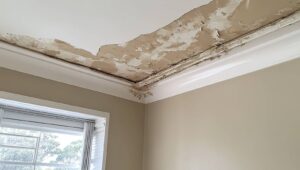
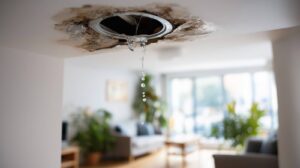
When dealing with toilet overflow water damage, it’s important to act swiftly and efficiently. First, you’ll need to stop the water source to prevent further issues. Next, removing standing water is necessary to mitigate damage. But that’s just the beginning. You’ll also need to disinfect surfaces, dry the area thoroughly, and check for mold growth. Each step plays a significant role in restoring your space safely. So, what are the best solutions to ensure a complete recovery?
Key Takeaways
- Shut off the toilet’s water supply immediately using the shut-off valve to stop the overflow.
- Use a plunger to clear any clogs that may be causing the toilet overflow.
- Remove standing water quickly with a wet/dry vacuum or buckets to mitigate damage.
- Disinfect all affected surfaces with bleach or commercial cleaners to prevent health risks.
- Contact professional restoration services for thorough cleanup and to prevent mold growth.
Stop the Source of the Overflow
When you notice your toilet overflowing, it’s important to stop the source of the overflow immediately to prevent extensive water damage. First, locate the toilet’s shut-off valve, usually found on the wall behind it. Turn the valve clockwise to cut off the water supply. This simple action is essential for effective overflow prevention.
Next, check for the cause of the overflow—clogs are often the culprit. If you have a plunger, use it to dislodge any blockages. If that doesn’t work, a toilet auger can help reach deeper clogs.
Regular plumbing maintenance is significant; consider scheduling inspections to ensure everything functions correctly.
Taking these steps protects your home and fosters a sense of belonging to a community that values proactive care. By mastering these skills, you can confidently handle plumbing issues, creating a safer, more comfortable environment for yourself and your loved ones.
Remove Standing Water Immediately
When you’re faced with standing water from a toilet overflow, your first step should always be safety.
Equip yourself with the right tools, like a wet/dry vacuum, to efficiently remove the excess water.
Once you’ve addressed the immediate danger, you can employ effective drying techniques to prevent further damage.
Safety First Steps
As soon as you notice toilet overflow, it’s essential to act swiftly to mitigate damage.
Standing water can lead to serious issues, including mold growth and structural damage. Your quick response protects your home and ensures water safety for your family.
Here are some immediate steps you can take:
- Shut off the water supply to prevent further overflow.
- Remove standing water using a wet/dry vacuum or buckets.
- Check for leaks in plumbing fixtures to maintain toilet maintenance.
Taking these actions shows you care about the well-being of your home and loved ones.
Use Appropriate Equipment
To effectively tackle toilet overflow, using the right equipment is essential for removing standing water promptly. Start with a wet/dry vacuum, as it’s specifically designed for efficient water removal. This tool can quickly extract water from floors, carpets, and other surfaces, minimizing damage.
Make certain you’ve got rubber gloves and protective eyewear on hand to keep yourself safe during the process. If the overflow has spread to larger areas, consider using a submersible pump for more extensive water removal.
Always check your toilet equipment to confirm it’s functioning correctly to prevent future incidents. Remember, acting swiftly with the right tools helps protect your home and fosters a sense of community as you tackle this challenge effectively.
Drying Techniques Explained
While it’s essential to act quickly after a toilet overflow, understanding effective drying techniques can greatly mitigate water damage. Start by removing any standing water immediately. This prevents further damage and helps you regain a sense of control over the situation.
To enhance your drying efforts, consider these key techniques:
Use a dehumidifier to absorb excess moisture from the air.
Increase air circulation by opening windows and using fans to promote evaporation.
Identify and remove wet materials like carpets or padding that can trap moisture.
Assess and Document the Damage
Once you’ve removed the standing water, it’s essential to assess and document the damage thoroughly.
Identify all affected areas to understand the extent of the problem, and take clear photographic evidence for your records.
Finally, estimate the repair costs to prepare for the necessary remediation steps ahead.
Identify Affected Areas
As you begin evaluating the damage from a toilet overflow, it’s important to thoroughly identify all affected areas to prevent further complications.
Start by examining the water damage on surfaces nearby, including floors, walls, and any furniture. Don’t overlook hidden spots that could harbor moisture, leading to mold and further issues.
Your bathroom’s walls may have absorbed water, risking structural integrity.
Flooring materials can warp and become a breeding ground for bacteria.
Fixtures and cabinetry might need replacement if they’ve sustained severe damage.
Understanding these impacted surfaces allows you to address the situation effectively, ensuring your home stays safe and welcoming for everyone.
Taking swift action now can save you from more significant problems down the line.
Take Photographic Evidence
Taking photographic evidence is essential for accurately evaluating and documenting the damage caused by a toilet overflow.
Start by capturing wide-angle shots of the entire affected area, ensuring you include furniture, walls, and flooring. Use these photographic tips: avoid flash to prevent glare, and take pictures from multiple angles for a detailed view.
Close-ups of specific damage—like stains or warped materials—are vital for evidence collection. If possible, include a ruler or object for scale to illustrate the severity of the damage.
This detailed documentation helps in analyzing the situation and supports any insurance claims you may need to file.
Estimate Repair Costs
After documenting the damage with photographs, the next step is to estimate repair costs accurately. Understanding repair estimates involves evaluating several cost factors that can greatly influence your budget.
Type of water damage: Clean, gray, or black water will require different remediation approaches.
Extent of damage: Assess how much of your flooring, walls, or fixtures need replacement or repair.
Labor costs: Skilled professionals often charge varying rates depending on the complexity of the job.
Disinfect Affected Areas
Once you’ve addressed the immediate water damage, it’s crucial to disinfect the affected areas to prevent mold growth and bacteria proliferation.
Start by gathering the right sanitation methods. Use a solution of water and a strong disinfectant, such as bleach or a commercial cleaner designed for bathroom use. Make sure to wear gloves and a mask to protect yourself during the process.
Thoroughly disinfect surfaces, including floors, walls, and any fixtures that came into contact with overflow water. Pay special attention to porous materials like carpets or rugs, as they can harbor bacteria.
After applying the disinfectant, allow it to sit for the recommended time to maximize its effectiveness.
Finally, don’t forget about hard-to-reach areas, such as behind the toilet or under cabinets. By ensuring every nook and cranny is cleaned, you can effectively safeguard your home against future issues.
Dry Out the Space Thoroughly
To effectively mitigate the damage caused by toilet overflow, it’s crucial to dry out the space thoroughly as soon as possible.
Start by employing effective ventilation methods to circulate air and reduce humidity levels. Open windows and use fans to expedite the drying process.
Consider these steps to enhance your drying efforts:
Remove wet materials: Dispose of soaked carpets and damaged items that can’t be salvaged.
Install moisture barriers: These prevent future water intrusion and protect your home’s structure.
Monitor humidity levels: Use a hygrometer to verify the space stays dry, ideally below 60% humidity.
Check for Mold Growth
Since mold can begin to develop within 24 to 48 hours after water damage, it’s crucial to check for its presence as soon as you’ve dried out the affected area.
Start by inspecting corners, under sinks, and behind walls, where moisture might linger. Use your sense of smell; a musty odor often indicates mold growth.
If you spot any discoloration or fuzzy spots, it’s time to take action. Implement mold prevention strategies, such as using dehumidifiers and ensuring proper ventilation, to minimize moisture levels.
Remember, toxic mold exposure can lead to serious health issues, so don’t underestimate the risk.
If you’re unsure about your findings, consider using a mold testing kit to confirm the presence of spores.
Taking these proactive steps helps protect your home and fosters a sense of security for you and your loved ones.
Contact a Professional Restoration Service
When you’re faced with toilet overflow water damage, reaching out to a professional restoration service can be vital for effective recovery.
These restoration experts possess the technical knowledge and the right equipment to tackle the problem efficiently, ensuring your home feels safe again.
Consider the benefits of contacting professional services:
- Rapid Response: They arrive quickly to minimize damage and reduce recovery time.
- Thorough Cleanup: Experts ensure proper removal of contaminated water and materials, preventing health risks.
- Mold Prevention: Restoration specialists utilize advanced techniques to prevent mold growth, protecting your family’s health.
Frequently Asked Questions
What Are the Signs of Water Damage From Toilet Overflow?
You’ll notice signs of water damage from toilet overflow through water stains on walls or ceilings and warped flooring. These indicators suggest moisture intrusion, potentially leading to mold growth and structural issues if not addressed promptly.
Can I Use Household Items to Dry Out My Bathroom?
Yes, you can use household solutions for bathroom drying. Towels, fans, and baking soda effectively absorb moisture. Make sure you ventilate the area well, and check for hidden damp spots to prevent future issues.
How Long Does It Take for Mold to Grow After Water Damage?
Mold growth can start within 24 to 48 hours after water damage occurs. Isn’t that alarming? To prevent this, ensure thorough drying and address moisture immediately, creating a healthier space for everyone in your home.
Is Toilet Overflow Water Considered Clean or Contaminated?
Toilet overflow water is considered contaminated water. It often contains harmful pathogens and bacteria, posing health risks. You should act quickly to address the issue and prevent further damage and potential health concerns in your space.
Will My Insurance Cover Toilet Overflow Water Damage Repairs?
“An ounce of prevention’s worth a pound of cure.” Your insurance policy might cover toilet overflow damage, but check your coverage limits. It’s essential to understand what’s included to avoid surprises when repairs are needed.
Conclusion
In the aftermath of a toilet overflow, think of yourself as a vigilant guardian, swiftly quelling the chaos. By following these steps, you’re not just tackling water damage; you’re preserving your home’s sanctuary. Each action you take—from stopping the source to disinfecting surfaces—serves as a shield against lurking health risks. Remember, if the damage feels like a beast too big to tame, don’t hesitate to call in the pros. Your home deserves a swift and thorough recovery.