Is it really possible to effectively remove mold after a sewage backup without risking further contamination? The answer lies in a systematic approach that prioritizes safety and thoroughness. From evaluating the damage to implementing preventative measures, each step is essential in ensuring a mold-free environment. Understanding these strategies can make all the difference in safeguarding your space and health. What steps should you take first to tackle this pressing issue?
Key Takeaways
- Assess the contaminated area for visible mold and water damage, prioritizing safety before starting any removal efforts.
- Wear protective clothing, goggles, and a suitable respirator to safeguard your health while removing mold.
- Dispose of non-salvageable materials like carpets and drywall, and clean salvageable items with water and detergent.
- Use specialized mold cleaners approved by the EPA, monitoring humidity levels to keep them below 60%.
- Conduct thorough inspections post-removal to identify hidden mold and implement preventative measures to avoid future growth.
Assess the Damage and Safety Risks
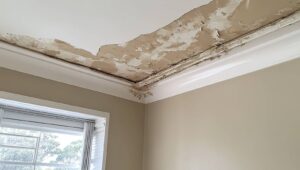
Before you tackle mold removal, it’s essential to assess the damage and safety risks involved. Start by inspecting the affected areas for visible mold growth. Pay close attention to damp spots, as these are prime breeding grounds for mold.
Understanding the extent of the contamination is vital; small patches may indicate a minor issue, while widespread growth could suggest a more significant problem.
Next, consider the health risks associated with mold exposure. Mold can lead to respiratory issues, allergic reactions, and other health complications, particularly for vulnerable individuals such as children and the elderly.
If you suspect extensive contamination or if anyone in your household experiences adverse reactions, it’s wise to consult professionals.
Wear Protective Gear
When dealing with mold removal, wearing protective gear is essential to safeguard your health. Mold spores can cause serious respiratory issues and skin irritation, so it’s vital to take precautions.
Start by investing in high-quality protective clothing that covers your skin completely. This includes long-sleeved shirts, long pants, and gloves. These barriers prevent direct contact with mold and reduce the risk of inhaling harmful spores.
Additionally, don’t forget to wear safety goggles. They protect your eyes from irritation caused by mold particles and contaminants.
A properly fitting mask or respirator is also a must, as it filters out hazardous particles while you work.
Remove Contaminated Materials
To effectively tackle mold issues, you must remove contaminated materials promptly. This step is essential, as lingering materials can foster mold growth and compromise your health.
Start by identifying items that are beyond salvaging, such as carpets, insulation, and drywall that have absorbed sewage. Dispose of these materials responsibly to prevent further contamination.
For items that may be cleaned, use a mixture of water and detergent, followed by a thorough drying process. However, be cautious; if there’s any doubt about their integrity, it’s best to discard them.
Consider replacement options for damaged materials, focusing on mold-resistant products to minimize future risks. For example, opt for treated drywall or moisture-resistant flooring.
Ensure Proper Ventilation
To effectively combat mold, ensure proper ventilation in your space.
Opening windows and doors allows fresh air to circulate, while strategically using fans can help disperse moisture.
Additionally, employing dehumidifiers will control humidity levels, further inhibiting mold growth.
Open Windows and Doors
Opening windows and doors is essential for ensuring proper ventilation during mold removal. By doing this, you invite fresh air into your space, which helps dilute any airborne mold spores.
Natural light also plays a significant role; it can deter mold growth and improve your environment’s overall mood.
When you allow fresh air to circulate, you’re not just removing stagnant air, but you’re also promoting a healthier atmosphere. This is vital after a sewage backup, as it helps minimize the risk of health issues associated with mold exposure.
Use Fans Effectively
Using fans effectively can greatly enhance ventilation during mold removal, especially in enclosed spaces where air circulation is limited.
To maximize their impact, focus on proper fan placement. Position fans near windows or doors to create a direct airflow direction that pushes contaminated air outside while pulling fresh air in. This method reduces mold spores and helps dry affected areas more quickly.
Make certain that you’re using multiple fans if possible, adjusting their angles to optimize circulation throughout the space. Remember, keeping the flow consistent will prevent stagnant air pockets where mold thrives.
Dehumidifiers for Moisture Control
While you might think of dehumidifiers as just another appliance, they play an essential role in controlling moisture during mold removal.
Maintaining ideal humidity control is vital to prevent mold from returning after a sewage backup. When selecting a dehumidifier, consider the different dehumidifier types available, such as refrigerant and desiccant models.
Refrigerant dehumidifiers are effective in warmer conditions, while desiccant types work better in cooler environments. Whichever type you choose, make sure that it’s appropriately sized for your space to maximize efficiency.
Additionally, place the dehumidifier in a central location to enhance airflow, which aids in moisture extraction.
Use Specialized Mold Cleaners
To effectively tackle mold issues in your home, it’s crucial to incorporate specialized mold cleaners into your cleaning routine. These products are specifically designed to combat the unique challenges posed by mold growth, particularly after a sewage backup.
Traditional cleaning agents often fall short, while specialized cleaning products contain potent ingredients that target mold spores and prevent their return.
When selecting mold removal techniques, look for cleaners that are EPA-approved and formulated to penetrate porous surfaces, ensuring thorough treatment.
Read labels carefully, as some products are tailored for specific materials, like wood or drywall, enhancing their efficacy.
Using these specialized cleaners boosts your chances of effective mold eradication and fosters a healthier living environment.
Apply Disinfectants to Affected Areas
Applying disinfectants to affected areas is a significant step in the mold removal process. Once you’ve verified proper surface preparation methods, such as cleaning and drying the area thoroughly, it’s time to apply your chosen disinfectant.
Effective disinfectant application techniques involve using a spray bottle or a pump sprayer to evenly distribute the solution across all surfaces. Be certain to follow the manufacturer’s instructions regarding dwell time, which is essential for ideal effectiveness.
Don’t forget to wear protective gear, including gloves and masks, to ensure your safety. It’s essential to target both visible mold and hidden spores that could re-emerge.
After applying the disinfectant, allow it to sit for the recommended time before wiping or rinsing, if necessary. This step reinforces your efforts in mold removal, safeguarding your environment, and promoting a healthier space for you and your loved ones.
Utilize Dehumidifiers
Utilizing dehumidifiers can greatly enhance your mold removal efforts, especially in damp environments where moisture thrives. By effectively reducing humidity levels, you’ll create a less hospitable environment for mold spores.
When selecting a dehumidifier, consider the various dehumidifier types available, such as portable units for small spaces or whole-home systems for larger areas. Each type has its advantages depending on your specific needs.
Once you’ve chosen the right unit, position it strategically in the most affected areas to optimize humidity control. Aim for a humidity level below 60% to help inhibit mold growth.
Regularly empty the water reservoir or ensure the unit has a continuous drainage option to maintain efficiency. With consistent usage, these devices aid in mold removal and improve overall air quality, fostering a healthier living space.
Monitor Humidity Levels
While managing humidity levels is essential in preventing mold growth, regularly monitoring these levels ensures that you stay ahead of any potential issues.
To effectively control humidity, invest in a reliable hygrometer. This device helps you track indoor moisture levels, ensuring they remain within the ideal range of 30-60%.
You should also create a routine for moisture monitoring, especially in areas prone to dampness, like basements and bathrooms. If you notice humidity levels exceeding 60%, take immediate action. Open windows for ventilation, use exhaust fans, or run dehumidifiers to bring levels down.
Additionally, consider sealing any leaks and insulating pipes to reduce excess moisture.
Conduct Post-Removal Inspections
After removing mold, conducting thorough post-removal inspections is essential to ensure that the problem has been fully addressed and won’t recur. This step ensures that all traces of mold are eliminated, helping you maintain a safe and healthy environment.
Begin with a detailed mold inspection, checking areas that may have been overlooked during the initial removal process. Pay close attention to hidden spots like behind walls, under carpets, and in HVAC systems.
Next, perform a damage assessment. Look for signs of water damage or structural issues that may have contributed to mold growth. If you spot any lingering moisture or damage, address it immediately to prevent future mold problems.
Document your findings, as this will help you identify patterns and make informed decisions about necessary repairs or improvements. By prioritizing these inspections, you’ll foster a healthier living space and enhance your peace of mind.
Implement Preventative Measures
To effectively prevent mold growth, you need to prioritize regular maintenance checks around your home.
Make certain that your ventilation systems are functioning properly, as good airflow greatly reduces moisture buildup.
Regular Maintenance Checks
Regular maintenance checks are essential in preventing mold growth, as they allow you to identify and address potential issues before they escalate.
By establishing routine inspections and sticking to a maintenance schedule, you can effectively monitor areas prone to moisture, such as basements and bathrooms. During these checks, look for signs of leaks, water stains, or any dampness that could lead to mold proliferation.
Additionally, ensure that gutters and downspouts are clear to prevent water pooling near your foundation. Keeping a detailed log of your inspections will help you track changes over time and act swiftly if problems arise.
This proactive approach safeguards your home and fosters a sense of community and shared responsibility in maintaining a healthy living environment.
Proper Ventilation Systems
While you mightn’t think about it often, proper ventilation systems play an essential role in preventing mold growth by ensuring that moisture-laden air is effectively expelled from your home.
To maintain a healthy living environment, focus on improving air circulation throughout all areas, especially in bathrooms, kitchens, and basements. Install exhaust fans and use dehumidifiers to regulate humidity levels, and keep windows open when the weather permits to enhance airflow.
Regularly check vents and filters to verify they’re free of obstructions, allowing for peak performance. By prioritizing these preventative measures, you reduce the risk of mold and create a more comfortable and inviting space for you and your loved ones to thrive.
Frequently Asked Questions
How Long Does It Take for Mold to Grow After Sewage Backup?
Mold growth can start within 24 to 48 hours after sewage contamination, due to the moisture and organic materials present. Understanding this mold growth timeline helps you act quickly to prevent further damage and health risks.
Can I Remove Mold Without Professional Help?
Yes, you can remove mold without professional help. Employ effective mold removal techniques like vinegar or baking soda. For better results, combine these with DIY mold prevention methods to keep your space safe and healthy.
What Are the Health Risks of Mold Exposure?
Mold exposure can lead to various health effects, including respiratory issues, skin irritation, and allergic reactions. You’ll notice mold symptoms like coughing, sneezing, and headaches, which indicate your body’s response to the mold toxins present.
Will Homeowners Insurance Cover Mold Removal Costs?
Homeowners insurance might cover mold removal costs, but it varies by policy. If you treat your home like a garden, nurturing it with proper maintenance, you’ll likely find insurance coverage for mold remediation when issues arise.
How Can I Prevent Future Sewage Backups?
To prevent future sewage backups, prioritize regular sewage maintenance and schedule plumbing inspections. By addressing potential issues early, you can ensure a smoother system and reduce the risk of costly problems down the line.
Wrap-Up
In the battle against mold after a sewage backup, swift action and careful planning are your allies. While contaminated materials may seem like insurmountable challenges, removing them paves the way for a healthier environment. Just as moisture can silently seep into hidden corners, your vigilance in monitoring humidity and conducting inspections can safeguard against future outbreaks. By juxtaposing immediate removal with ongoing prevention, you create a resilient space that stands firm against the lurking threat of mold.