Have you ever considered the hidden dangers lurking in black water mold? As you prepare for cleanup, understanding the right steps is vital to ensure your safety and effectiveness. From evaluating the area to deciding whether to call in professionals, each choice you make impacts the outcome. Let’s explore essential tips that will guide you through this challenging process and help you tackle black water mold with confidence.
Key Takeaways
- Conduct a thorough mold assessment to identify contamination and moisture sources before beginning cleanup.
- Wear appropriate protective gear, including gloves, a mask, goggles, and a full-body suit to ensure safety.
- Use eco-friendly cleaning solutions and ventilate the area by opening windows and using fans to improve air circulation.
- Safely dispose of contaminated materials in heavy-duty garbage bags, labeling them as hazardous per local regulations.
- Monitor humidity levels and consider hiring professionals for extensive mold issues to ensure thorough remediation and safety.
Assess the Area Before Cleanup
Before you begin any cleanup process, it’s essential to assess the area thoroughly to confirm your safety and effectiveness in handling black water mold.
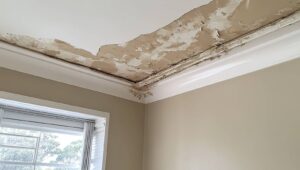
Start with a mold assessment to identify the extent of the contamination. Look for visible mold growth, discoloration on walls, or damp spots that may indicate hidden mold.
Next, conduct an area evaluation by checking for potential sources of moisture and any structural damage that may worsen the situation. Document your findings, as this can guide your cleanup strategy and inform others involved.
Pay attention to the surrounding environment; verify that you have enough space to work safely and that you’re aware of any hazards.
A detailed assessment helps plan your cleanup and fosters a sense of community, as sharing your findings can assist others in similar situations.
Gather Necessary Protective Gear
Having assessed the area and identified potential hazards, the next step involves gathering necessary protective gear to ensure your safety during the cleanup process.
Start by donning heavy-duty gloves, which protect your hands from contaminants while you work. A mask rated for mold and mildew is vital, as it filters out harmful spores you might inhale.
Don’t forget to wear goggles to shield your eyes from irritants and a full-body suit to prevent skin contact with black water.
Verify that your protective equipment meets safety protocols; this safeguards your health and sets a standard for those around you.
Gathering the right gear helps foster a sense of community responsibility, showing that you care for your safety and the well-being of others involved.
Use Proper Cleaning Solutions
When cleaning up black water mold, choosing effective detergents is essential for eliminating contaminants.
It’s best to avoid harsh chemicals that can harm both your health and the environment.
Instead, opt for eco-friendly options that are safe yet effective in tackling mold issues.
Choose Effective Detergents
Choosing effective detergents is essential for successful black water mold cleanup, as the right cleaning solutions can greatly enhance your efforts.
Various detergent types exist, each designed to tackle specific challenges posed by mold, bacteria, and contaminants in black water. Opt for detergents with proven cleaning effectiveness, such as those containing surfactants that break down grime and mold spores.
Look for products that specify their efficacy against mold, ensuring they meet your specific needs. When selecting a detergent, consider the surface you’re cleaning and any potential sensitivities.
Avoid Harsh Chemicals
While effective cleaning is essential for black water mold remediation, it’s equally important to avoid harsh chemicals that can pose health risks and damage surfaces.
You should prioritize cleaning safety by opting for natural alternatives that are both effective and gentle. Consider using:
- Vinegar: A powerful, non-toxic cleaner.
- Baking soda: Great for deodorizing and scrubbing.
- Tea tree oil: A natural antifungal agent.
- Hydrogen peroxide: Effective for mold removal.
- Castile soap: A biodegradable cleaning solution.
These alternatives protect your health and help maintain the integrity of surfaces.
Use Eco-Friendly Options
Opting for eco-friendly cleaning solutions benefits your health and supports environmental sustainability.
When dealing with black water mold cleanup, consider using eco-friendly products that are safe for both your home and the planet. Natural alternatives, such as vinegar, baking soda, and essential oils, are effective in combating mold without the harmful effects of harsh chemicals.
These solutions minimize your exposure to toxic substances while ensuring a thorough clean. Additionally, opting for biodegradable cleaning agents reduces your environmental footprint.
By choosing eco-friendly options, you’re part of a community that values health and sustainability, fostering a sense of belonging.
Ensure Adequate Ventilation
To effectively manage mold cleanup, you need to ensure adequate ventilation in the affected area.
Open windows and doors to promote airflow, and consider using exhaust fans to further circulate the air.
Additionally, wearing protective gear is essential to safeguard yourself from potential airborne contaminants.
Open Windows and Doors
Ensuring adequate ventilation is essential when tackling black water mold cleanup, as it helps mitigate the risk of inhaling harmful spores.
Opening windows and doors allows fresh air to circulate, reducing indoor humidity and fostering a safer environment. Here are some tips to enhance ventilation during your cleanup:
- Open all windows to create cross-ventilation.
- Use fans to direct airflow toward open windows and doors.
- Keep interior doors open to promote air movement.
- Remove any obstructions from vents to ensure proper airflow.
- Monitor indoor humidity levels to maintain a balanced environment.
Use Exhaust Fans
While opening windows and doors greatly improves air circulation, utilizing exhaust fans can further enhance ventilation during black water mold cleanup.
Exhaust fan effectiveness lies in their ability to expel contaminated air, drawing in fresh air to replace it. This process is essential for maintaining a healthy environment as you work.
When tackling black water mold, the importance of air circulation can’t be overstated; it minimizes potential health risks and helps reduce moisture levels that encourage mold growth.
Position exhaust fans strategically in areas where mold is present, directing airflow outside.
Wear Protective Gear
Wearing protective gear is essential during black water mold cleanup to safeguard your health.
When you’re tackling this hazardous task, you need to verify you’re adequately protected from harmful substances.
Here’s what you should wear:
Protective clothing: Use coveralls or long-sleeve shirts and pants.
Safety goggles: Shield your eyes from mold spores and debris.
N95 respirator: Filter out harmful particles in the air.
Gloves: Choose heavy-duty, waterproof gloves to protect your hands.
Boots: Wear waterproof boots to keep your feet dry and safe.
Dispose of Contaminated Materials Safely
When you’re dealing with contaminated materials from black water mold, proper disposal is critical to minimize health risks and prevent further contamination.
Start by identifying all contaminated materials, including carpets, drywall, and furniture. Use heavy-duty garbage bags to seal these items securely, preventing any spores from escaping.
Next, familiarize yourself with local regulations regarding contaminated material disposal. Many areas require you to dispose of hazardous waste at designated facilities. Following safe disposal practices protects your health and the environment.
Always label the bags as hazardous to alert waste handlers. Avoid mixing contaminated materials with regular trash, as this can lead to cross-contamination.
If possible, enlist professional help for proper disposal, especially when dealing with large quantities. By adhering to these guidelines, you contribute to a safer community and ensure that your cleanup efforts are effective and responsible.
Monitor for Residual Mold Growth
To ensure your environment remains safe after a black water mold cleanup, it’s vital to monitor for residual mold growth. This ongoing mold monitoring ensures any hidden spores don’t lead to health issues down the line.
Conduct regular growth assessments to identify potential problems early. Here are some key practices to follow:
- Inspect areas prone to moisture, like bathrooms and basements.
- Use a moisture meter to check for dampness in walls and floors.
- Look for discoloration or unusual odors, which can indicate mold.
- Keep an eye on humidity levels; ideally, they should stay below 60%.
- Consider using air purifiers with HEPA filters to capture airborne mold spores.
Consider Professional Assistance
Even with diligent monitoring for residual mold growth, complex situations may arise that require expertise beyond DIY efforts.
If you find extensive water damage or persistent mold issues, consider hiring professionals for mold remediation. They bring specialized knowledge and tools to handle severe infestations, adhering to strict safety protocols that ensure your environment remains safe.
Professionals are trained to identify hidden mold sources that you might overlook, and they can effectively contain the spread during the cleanup process.
Their experience allows them to implement strategies that eliminate existing mold and prevent future growth.
While DIY methods may seem cost-effective, the potential risks associated with improper handling of black water mold can lead to health hazards and further damage.
Frequently Asked Questions
Can I Clean Black Water Mold Without Professional Help?
You can clean black water mold on your own, but it’s risky. If you choose DIY mold removal, ensure you take safety precautions like wearing protective gear and using proper cleaning solutions to prevent health issues.
What Are the Health Risks Associated With Black Water Mold Exposure?
You might feel like you’re in a sci-fi horror film, but black water mold exposure can seriously affect your health. Common symptoms include respiratory issues and fatigue due to mold toxins affecting your immune system.
How Long Does It Take for Mold to Regrow After Cleanup?
Mold growth can recur within 24 to 48 hours after cleanup if moisture remains. To prevent this, ensure thorough drying during the cleanup duration and monitor humidity levels regularly to maintain a safe environment.
Is Bleach Effective for Black Water Mold Remediation?
Bleach isn’t effective for black water mold remediation; it merely masks the problem. Think of it as putting a bandage on a deep cut. Consider bleach alternatives for thorough mold prevention and long-lasting results instead.
What Are the Signs of Hidden Mold in My Home?
You’ll notice signs of hidden mold through musty odors, water stains, or peeling paint. Employ mold identification techniques to inspect hidden mold sources, such as behind walls or under carpets, ensuring your home stays safe and healthy.
Recap
In tackling black water mold cleanup, think of yourself as a gardener pruning a once-thriving plant. You need to carefully assess the damage, wearing your protective gear like armor, and use the right tools to nurture it back to health. Just as weeds can choke a garden, residual mold can threaten your home’s safety. Stay vigilant, dispose of contaminated materials responsibly, and don’t hesitate to call in professionals if the infestation grows too wild. Your home deserves to flourish again.