You might think sewage cleanup and mold remediation are just another home maintenance task, but ignoring them can lead to serious health risks. Immediate action is essential to prevent further contamination and damage. Understanding the key steps and safety precautions involved in these processes can make all the difference. So, what specific risks should you be aware of, and how can you ensure a thorough cleanup? Let’s explore these important topics.
Key Takeaways
- Immediate sewage cleanup is essential to protect health and prevent structural damage from harmful bacteria and mold growth.
- Use personal protective equipment (PPE) like gloves and masks to minimize exposure during cleanup.
- Professional services should be engaged for effective management and thorough assessments of sewage and mold issues.
- Mold remediation involves inspection, containment, removal, and prevention strategies to inhibit future growth.
- Regular maintenance and proper ventilation in homes can prevent sewage backups and mold development.
Understanding Sewage Contamination Risks
When it comes to sewage contamination, understanding the associated risks is essential for your health and safety. Different sewage types, such as black water from toilets and grey water from sinks, pose varying health threats.
Exposure to black water can lead to serious health effects, including gastrointestinal infections and severe respiratory issues. Grey water, while less hazardous, can still harbor harmful bacteria and pathogens.
It’s vital to recognize that untreated sewage can contaminate your living environment, leading to mold growth and other complications.
If you live in an area prone to sewage backups, being aware of these risks helps you make informed decisions. Take precautions by maintaining proper plumbing and ensuring your sewage systems are well-kept.
The Importance of Immediate Sewage Cleanup
Immediate sewage cleanup is essential to safeguard your health and to prevent extensive damage to your property. When faced with a sewage backup, your immediate response can greatly reduce the risk of health hazards.
Sewage contains harmful bacteria, viruses, and parasites that can pose serious threats to your well-being. Allowing contaminated water to linger increases exposure risks and can lead to illnesses for you and your loved ones.
Moreover, the longer sewage remains, the greater the potential for structural damage and mold growth. Prompt cleanup helps mitigate these risks, ensuring that your home remains a safe space.
By acting quickly, you protect your health and preserve the value of your property. Remember, addressing sewage issues without delay is key to maintaining a healthy environment and fostering a sense of security in your home.
Don’t hesitate—take action and prioritize immediate sewage cleanup.
Safety Precautions During Sewage Cleanup
Although dealing with sewage cleanup can be challenging, taking proper safety precautions is vital to protect yourself from potential hazards. Start by wearing personal protective equipment (PPE), such as gloves, masks, and goggles, to shield yourself from contaminants. This gear is essential in preventing infections and other health issues that can arise from exposure to sewage.
Next, make sure you have proper ventilation in the area. Open windows and doors to allow fresh air circulation, which helps disperse harmful odors and airborne pathogens. If possible, use fans to enhance airflow and minimize the risk of respiratory problems.
Additionally, avoid direct contact with sewage and contaminated surfaces as much as possible. Remember, your safety is paramount, and these precautions safeguard your health while fostering a sense of community responsibility to protect those around you from potential dangers.
Steps in the Sewage Cleanup Process
When you face a sewage cleanup situation, prioritizing safety is essential.
After ensuring a safe environment, you’ll need to consider engaging professional cleanup services to handle hazardous materials effectively.
This structured approach protects your health and assures a thorough and efficient remediation process.
Safety Precautions First
Before you begin the sewage cleanup process, prioritizing safety precautions is essential to protect yourself from potential hazards.
Start with a thorough hazard assessment to identify risks, such as toxic substances or structural damage. Equip yourself with appropriate protective gear, including gloves, masks, and waterproof boots, to minimize exposure to harmful pathogens.
Verify that the area is well-ventilated to reduce the accumulation of hazardous fumes. If the situation feels overwhelming, don’t hesitate to reach out for help.
Professional Cleanup Services
After ensuring your safety, the next step involves engaging professional cleanup services to effectively manage the sewage cleanup process.
These experts utilize advanced cleanup technology and restoration equipment, ensuring thorough and efficient remediation.
Here’s what you can expect during the cleanup:
Assessment: Professionals evaluate the affected area to determine the extent of the damage.
Containment: They isolate the contaminated area to prevent further exposure or damage.
Removal: They safely extract sewage and contaminated materials using specialized equipment.
Disinfection: Finally, they apply industrial-grade disinfectants to eliminate pathogens and prevent mold growth.
Identifying Water Damage and Mold Growth
How can you effectively identify water damage and mold growth in your home? Start by looking for common water damage indicators.
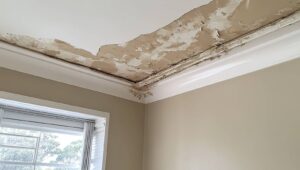
Check for discoloration on walls, ceilings, and floors, as well as peeling paint or wallpaper. These signs often suggest moisture issues behind the surfaces. Pay attention to musty odors, which can indicate mold growth lurking in hidden areas.
Next, inspect areas prone to moisture, like bathrooms, basements, and around plumbing fixtures.
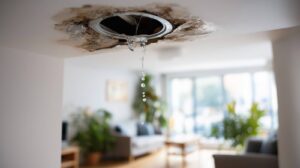
Look for mold growth signs such as black or green spots on surfaces, especially in damp or humid environments. Don’t overlook small leaks; even minor water intrusion can lead to bigger problems if left unchecked.
The Mold Remediation Process Explained
Understanding the mold remediation process is essential for effective recovery.
You’ll start with inspection and assessment to identify the extent of the mold issue, followed by containment and removal to prevent further spread.
Finally, the cleanup and restoration phase ensures your space returns to a safe, habitable condition.
Inspection and Assessment
When you notice signs of mold growth or suspect water damage, conducting a thorough inspection and assessment is essential to initiate effective mold remediation.
Start by employing various inspection techniques and assessment methods to identify the extent of the problem. Here’s what you should focus on:
Visual Inspection: Look for discoloration, stains, or peeling paint in affected areas.
Moisture Detection: Use moisture meters to find hidden water sources.
Air Quality Testing: Assess indoor air quality for mold spores and allergens.
Surface Sampling: Collect samples from suspected moldy surfaces for lab analysis.
This all-encompassing approach ensures you fully understand the situation, enabling targeted, effective remediation.
Containment and Removal
Once you’ve assessed the extent of the mold issue, the next step is to establish containment and removal measures to prevent further contamination.
Effective containment strategies are vital; they involve sealing off the affected area using plastic sheeting and ensuring proper ventilation to minimize spore spread. You’ll want to use negative air pressure machines to filter airborne particles and protect unaffected spaces.
When it comes to removal techniques, you should prioritize physical removal of mold-affected materials, such as drywall and carpeting, followed by thorough cleaning of surfaces with specialized mold removers.
Cleanup and Restoration
After establishing containment and removal measures, the next critical phase in mold remediation is the cleanup and restoration process.
This stage addresses existing mold and focuses on preventing future issues. Here’s what you’ll typically encounter:
Thorough Cleaning: Use specialized cleaning solutions to eliminate mold spores from surfaces.
Drying and Dehumidification: Ensure all areas are completely dried to prevent water damage.
Seal and Repair: Address any structural damage, sealing surfaces to inhibit future mold growth.
Preventive Maintenance: Implement strategies to control moisture and maintain a healthy environment.
Tools and Techniques for Effective Mold Removal
Effective mold removal requires a combination of specialized tools and proven techniques to ensure a thorough cleanup.
To start, high-efficiency particulate air (HEPA) filters are essential for capturing mold spores during the remediation process. You’ll also need moisture meters to detect hidden dampness and prevent future mold growth.
When it comes to cleaning agents, opt for effective cleaning agents like hydrogen peroxide or vinegar, which can eliminate mold without harmful chemicals.
Incorporate mold prevention strategies by ensuring proper ventilation and using dehumidifiers in areas prone to moisture.
It’s crucial to wear protective gear, including gloves and masks, to safeguard yourself from exposure during the cleanup.
Additionally, sealing off the contaminated area can prevent spores from spreading.
Preventing Future Sewage and Mold Issues
To prevent future sewage and mold issues, it’s vital to address the underlying causes of moisture and contamination in your home.
By implementing effective strategies, you can create a healthier living environment.
Consider these essential steps:
Schedule regular maintenance for plumbing and sewage systems to identify leaks early.
Ensure proper ventilation in bathrooms and kitchens to reduce humidity levels.
Inspect your roof and gutters regularly to prevent water intrusion and pooling.
Use dehumidifiers in damp areas, particularly basements and crawl spaces, to control moisture.
When to Call Professional Restoration Services
Even with preventive measures in place, situations may arise that require professional intervention. You’ll want to call restoration services if you notice clear indicators for professionals, such as a strong, persistent odor, visible mold growth, or unexplained moisture.
These signs of contamination often indicate more extensive issues that can compromise your health and the integrity of your home.
If you’ve experienced flooding or sewage backup, don’t hesitate to reach out to experts who specialize in sewage cleanup and mold remediation. They possess the tools and knowledge necessary to effectively manage hazardous materials and avert further damage.
Additionally, if you’re unsure about the extent of the contamination or how to handle it safely, professionals can provide a thorough assessment and guide you through the remediation process.
Trusting skilled technicians ensures your environment remains safe, clean, and healthy for you and your loved ones.
Frequently Asked Questions
How Can I Tell if My Sewage Issue Is Severe?
You can tell your sewage issue is severe if you notice sewage warning signs like persistent odors, backed-up drains, or wet spots. These severity indicators often suggest a significant problem requiring immediate professional attention to prevent further damage.
What Are the Costs Associated With Sewage Cleanup?
Sewage cleanup costs can range considerably, often starting around $1,000 and escalating based on severity. Mold remediation expenses add to this, typically between $500 and $6,000, depending on the extent of the damage.
Can I Handle Mold Remediation Myself?
You can attempt DIY mold remediation, but be cautious. Proper mold identification techniques are essential, and DIY remediation risks include health hazards and inadequate removal. It’s often safer to consult professionals for thorough, effective treatment.
How Long Does the Sewage Cleanup Process Take?
The sewage cleanup process typically takes anywhere from a few hours to several days. Factors like the extent of contamination, cleanup timeline, and drying requirements greatly influence this duration, so stay prepared and patient throughout.
What Health Symptoms Should I Watch for After Exposure?
After exposure, watch for mold symptoms like coughing, sneezing, headaches, or skin irritation. These may indicate health risks, so stay alert. If symptoms persist, consult a healthcare professional for proper evaluation and guidance.
Final Thoughts
Addressing sewage cleanup and mold remediation is essential for your health and safety. Delaying action can lead to catastrophic consequences, turning your home into a breeding ground for harmful bacteria and mold. By following proper safety precautions and understanding the cleanup process, you can effectively mitigate risks. Remember, when in doubt, calling in professional restoration services is worth its weight in gold, ensuring your living environment is safe and free from contamination.