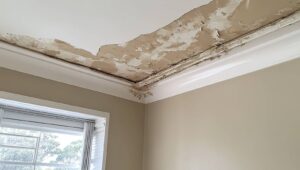
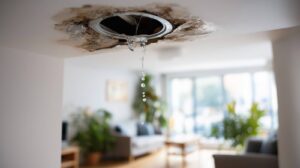
Water is like a silent thief, slowly undermining your property’s integrity while you remain unaware. When mold starts to take root, it doesn’t just compromise your home; it poses serious health risks. To combat this, you need swift and effective cleanup solutions. Understanding how to act quickly can make all the difference in preventing extensive water damage. What steps should you take to ensure a thorough and safe cleanup?
Key Takeaways
- Act quickly to address water damage, as mold can start growing within 24 to 48 hours after exposure.
- Identify and eliminate the source of moisture to prevent further mold growth and damage.
- Use high-powered pumps and wet vacuums for immediate water extraction, followed by fans and dehumidifiers for thorough drying.
- Conduct a thorough mold assessment and utilize appropriate PPE during removal to ensure safety and containment.
- Familiarize yourself with your insurance policy to understand coverage limits and expedite the claims process for water damage.
Understanding Mold Growth and Water Damage
When moisture accumulates in your home, it creates an ideal environment for mold growth, which can lead to considerable water damage if left unaddressed.
Understanding the mold lifecycle is vital; mold spores can germinate within 24 to 48 hours when moisture levels are high. Once established, mold can rapidly proliferate, affecting not just aesthetics but also your home’s structural integrity and air quality.
To effectively combat mold, moisture control is essential. This involves identifying and eliminating sources of moisture, such as leaks or high humidity levels.
Utilizing dehumidifiers and improving ventilation can greatly reduce moisture levels, thereby disrupting the mold lifecycle. Regular inspections can help you identify problem areas before they escalate into considerable issues.
The Importance of Swift Response
Because mold can begin to grow within just a couple of days after water exposure, a swift response is vital in mitigating damage and safeguarding your home.
By prioritizing emergency readiness and minimizing response time, you can protect your space and belongings effectively. Here are three key reasons to act quickly:
Prevent Health Risks: Mold exposure can lead to respiratory issues and other health problems. Quick action reduces these risks.
Limit Structural Damage: Water can weaken your home’s foundation and structure. The sooner you address the issue, the less damage you’ll face.
Reduce Cleanup Costs: The longer you wait, the more extensive the damage becomes, leading to higher repair and cleanup costs.
Taking immediate steps ensures a safer environment and fosters a sense of community and belonging among those who value their homes and well-being.
Don’t underestimate the importance of a prompt response!
Identifying the Source of Water Damage
To effectively address water damage, you first need to pinpoint its source. Common culprits include burst pipes, roof leaks, and appliance malfunctions, all of which can lead to significant issues if left unchecked.
Additionally, be vigilant for signs of hidden leaks, such as water stains, increased humidity, or mold growth, as these can indicate ongoing problems that require immediate attention.
Common Water Damage Sources
Identifying the source of water damage is essential for effective remediation, as it allows you to address the problem at its root.
Common sources of water damage include:
Plumbing Issues: Leaky pipes or faulty fixtures can lead to significant water intrusion, often unnoticed until it’s too late.
Roof Leaks: Damaged shingles or flashing can allow rainwater in, causing internal damage and mold growth.
Appliance Failures: Water heater leaks or malfunctioning dishwashers can trigger flood damage, leading to costly repairs.
Additionally, groundwater seepage, sewer backups, storm damage, and condensation problems are also critical contributors.
Understanding these sources helps you take proactive measures, ensuring your space remains safe and dry.
Signs of Hidden Leaks
How can you detect hidden leaks before they escalate into more significant water damage? Start by monitoring your water bill; an unexplained spike could indicate a leak.
Next, use moisture mapping techniques to identify areas with elevated humidity or discoloration on walls and ceilings. Look for peeling paint or warped flooring, which can signal water intrusion.
Pay attention to musty odors, which are often a sign of mold growth resulting from hidden leaks. For thorough leak detection, consider employing professional services equipped with advanced technology, such as infrared cameras, to pinpoint elusive leaks.
Steps for Effective Water Extraction
While water damage can wreak havoc on your property, implementing effective water extraction steps can greatly reduce the impact. Here’s how to execute water extraction efficiently:
Assess the Area: Start by identifying the source of the water. This helps you understand the extent of the damage and what extraction methods to use.
Gather Equipment: Utilize high-powered pumps and wet vacuums. These effective methods ensure you remove standing water quickly, minimizing further damage.
Drying and Dehumidification: After extraction, use fans and dehumidifiers to dry the affected areas thoroughly. This step prevents mold growth and ensures your property returns to its original state.
Mold Removal Techniques and Best Practices
Once you’ve addressed the water damage, it’s crucial to tackle mold removal promptly to prevent health risks and further property deterioration.
Start with effective mold assessment techniques to identify the extent of the contamination. Use moisture meters and infrared cameras to locate hidden mold within walls or ceilings.
When you’re ready for removal, make sure you follow removal safety precautions. Wear appropriate personal protective equipment (PPE), including gloves, masks, and goggles, to safeguard against harmful spores.
Isolate the affected area by sealing off doors and vents to prevent spread.
For removal, utilize HEPA vacuums and damp cloths to capture mold spores effectively. Scrub non-porous surfaces with a mixture of water and detergent, followed by antifungal solutions for added protection.
Porous materials, such as drywall, may need to be discarded if heavily infested. Following these best practices will help ensure a thorough and safe mold removal process.
Preventing Future Mold Growth
After successfully removing mold, your next focus should be on preventing future growth. Implementing effective strategies will help you maintain a healthy environment.
Here are three essential measures to contemplate:
Use Mold-Resistant Materials: When renovating or repairing, opt for mold-resistant drywall, paints, and insulation. These materials inhibit mold growth and enhance indoor air quality.
Humidity Control: Keep indoor humidity levels below 60%. Use dehumidifiers in damp areas like basements, and ensure proper ventilation in kitchens and bathrooms. This reduces the moisture that mold thrives on.
Regular Inspections: Conduct routine inspections of your home, especially in areas prone to moisture. Early detection can prevent mold from taking hold again.
Professional vs. DIY Cleanup Solutions
When it comes to mold and water damage cleanup, you face a critical decision: whether to tackle the problem yourself or hire professionals.
DIY methods may seem appealing, especially if you’re looking to save money. However, these approaches often lack the effectiveness of professional equipment designed for thorough remediation. Mold spores can spread quickly, and inadequate cleaning can lead to recurring issues.
On the other hand, hiring professionals ensures that you benefit from their expertise and specialized tools. They conduct detailed assessments, identify hidden moisture sources, and utilize advanced techniques to eliminate mold safely and effectively.
Their experience means they can prevent future growth, giving you peace of mind.
Ultimately, while DIY methods may work for minor issues, professional services provide a level of confidence that’s invaluable when dealing with extensive mold or water damage.
Consider your situation carefully before making a choice that impacts your home’s health.
Insurance Considerations for Water and Mold Damage
As you navigate the complex landscape of insurance considerations for water and mold damage, understanding your policy’s coverage is essential. Here are three key aspects to reflect on:
Coverage Limits: Review your insurance policy to identify coverage limits for water and mold damage. Confirm it aligns with potential restoration costs in your area.
Mold Exclusions: Be aware of any mold exclusions in your policy. Some insurers may not cover mold remediation unless specific conditions are met, affecting your claim process.
Deductible Amounts: Understand your deductible amounts, as these will impact your out-of-pocket expenses when filing a claim. Different types of water damage may have different deductibles.
Familiarize yourself with the filing requirements to avoid insurance disputes later. Knowing what’s covered can empower you during the claims process, helping you effectively address water and mold damage in your home.
Frequently Asked Questions
How Long Does Mold Need to Grow After Water Damage Occurs?
Mold can start growing within 24 to 48 hours after water damage occurs. To prevent this, act quickly to dry affected areas and reduce humidity, ensuring a proactive approach to mold growth timeline management.
Can Mold Grow in Hidden Areas of My Home?
Yes, mold can grow in hidden areas of your home, such as behind walls or under flooring. Regular mold detection is essential for identifying these hidden mold sources before they cause significant damage or health issues.
What Are the Health Risks Associated With Mold Exposure?
Mold exposure can lead to various health effects, including respiratory issues, allergic reactions, and neurological symptoms. You might experience mold symptoms like coughing, sneezing, and skin irritation, which can worsen with prolonged exposure in your environment.
How Can I Tell if My Insurance Covers Mold Damage?
To determine if your insurance covers mold damage, review your policy’s mold insurance section, focusing on coverage limits. Contact your insurer for clarification and ask about any exclusions or specific requirements regarding mold-related claims.
What Items Can I Salvage After Water Damage?
After water damage, you can often salvage water-damaged furniture by thoroughly drying and cleaning it. Additionally, salvageable electronics may still function, but check for moisture and corrosion before plugging them back in.
Review
Swift mold and water damage cleanup is essential to protect your health and home. Moisture problems can quickly lead to mold growth, making immediate action critical. By identifying sources of water, using proper extraction methods, and following effective mold removal practices, you can prevent serious damage and create a safer environment for you and your loved ones. Don’t wait—act fast!