When dealing with mold cleanup after water extraction, you must first understand the conditions that promote mold growth. By evaluating moisture levels and identifying visible mold, you can determine the necessary steps for effective removal. It’s vital to prioritize safety measures while employing the right techniques. But what do you do when the mold is hidden, and how can you ensure it doesn’t return? The answers are fundamental for protecting your home and health.
Key Takeaways
- Assess water damage severity by inspecting affected areas and documenting findings for effective cleanup and potential insurance claims.
- Wear protective gear and ensure proper ventilation to minimize health risks during mold cleanup.
- Clean all surfaces with water and detergent, and discard porous materials that cannot be thoroughly cleaned.
- Use disinfectants like bleach or commercial mold removers to kill remaining mold spores after physical cleaning.
- Implement moisture control strategies and regularly monitor humidity levels to prevent future mold growth.
Understanding Mold Growth Conditions
Mold thrives in specific conditions, so understanding these factors is essential for effective cleanup after water extraction. The mold lifecycle stages—spores, germination, growth, and reproduction—are heavily influenced by environmental factors such as moisture, temperature, and available nutrients.
You may not realize that mold spores can remain dormant for long periods, but when exposed to a damp environment, they can quickly enter the germination phase.
To combat mold growth, maintaining relative humidity below 60% is vital. Temperatures between 60°F and 80°F create ideal conditions for mold proliferation. Additionally, organic materials like wood and drywall serve as nutrient sources, further accelerating growth.
Identifying Mold Types and Symptoms
Recognizing the types of mold present in your environment is essential for effective remediation. Understanding mold identification techniques helps you pinpoint potential health risks and take action.
Different molds can cause various health symptoms, from mild to severe, affecting you and your loved ones.
Here are three common mold types to watch for:
Aspergillus: Often causes respiratory issues and allergic reactions.
Stachybotrys (Black Mold): Linked to severe health problems, including chronic fatigue and headaches.
Penicillium: Can lead to sinus infections and asthma-like symptoms.
Assessing Water Damage Levels
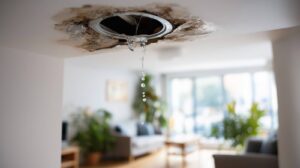
How do you accurately assess the levels of water damage in your home? Start with a thorough water damage assessment, focusing on affected areas.
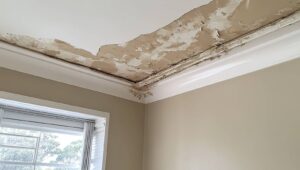
Look for visible signs like discoloration, warping, or peeling paint. Use a moisture meter to quantify the moisture levels in walls, floors, and ceilings. This numerical data will help you gauge the extent of damage.
Next, conduct a damage severity evaluation. Classify the damage based on the source and duration of exposure. For instance, categorize it as minor, moderate, or severe.
Minor damage might require simple drying, while severe cases may necessitate extensive repairs or even structural reinforcements.
Document your findings meticulously. This assists in cleanup and provides valuable information for insurance claims.
Essential Safety Precautions
After evaluating the water damage levels in your home, it’s vital to prioritize safety during the cleanup process.
Mold can pose serious health risks, so adhering to safety protocols is imperative. Here are three vital precautions to take:
Wear Protective Gear: Always use gloves, goggles, and a mask to shield yourself from mold spores and chemicals.
Ventilate the Area: Ensure proper airflow by opening windows and using fans, which helps reduce mold spores in the air.
Contain the Cleanup Zone: Use plastic sheeting to isolate affected areas, preventing mold from spreading to other parts of your home.
Effective Mold Removal Techniques
To effectively tackle mold issues, you need to start by identifying areas of growth.
Once you locate the mold, focus on cleaning and disinfecting those surfaces thoroughly.
Finally, implementing strategies to prevent future infestations is essential for long-term success.
Identifying Mold Growth
When evaluating your space for potential mold growth, what signs should you look for? Effective mold detection techniques are essential for maintaining a healthy environment.
Here are some visual mold indicators to keep in mind:
Discoloration: Notice any unusual stains on walls or ceilings, especially in damp areas.
Musty Odor: Pay attention to persistent, unpleasant smells that may signal hidden mold.
Condensation: Watch for excessive moisture on surfaces, which can create the perfect breeding ground for mold.
Identifying these signs early can help you take action before mold spreads, fostering a safe and welcoming environment for you and your loved ones.
Don’t ignore these indicators; your home’s health depends on them.
Cleaning and Disinfecting
Addressing mold growth promptly is vital for preventing its spread and mitigating health risks.
Start by employing effective cleaning techniques, such as scrubbing surfaces with a mixture of water and detergent to physically remove mold spores. For porous materials, like drywall or carpeting, it’s often best to discard them, as thorough cleaning may not be feasible.
Once surfaces are clean, use appropriate disinfecting agents, such as a solution of bleach and water or commercial mold removers, to kill any remaining spores and prevent regrowth. Always follow the manufacturer’s instructions for these agents to ensure effectiveness and safety.
Preventing Future Infestations
Preventing future mold infestations requires a proactive approach that focuses on moisture control and regular maintenance.
By implementing effective preventive measures, you can create a healthier environment for yourself and your loved ones.
Regularly Inspect Areas: Check for leaks and damp spots in basements, bathrooms, and kitchens to catch issues early.
Maintain Indoor Humidity: Keep humidity levels below 60% using dehumidifiers, particularly in humid climates.
Ensure Proper Ventilation: Use exhaust fans in moisture-prone areas and open windows to promote airflow.
Choosing the Right Cleaning Products
Choosing the right cleaning products is essential for effective mold cleanup after water extraction. You’ll want to evaluate both conventional and natural cleaning alternatives to find what suits your needs.
Common products like bleach can be effective but may not be safe for all surfaces or environments. Conduct a product effectiveness comparison to determine which options kill mold spores without causing damage.
Natural cleaning alternatives, such as vinegar or hydrogen peroxide, offer eco-friendly solutions that can be just as effective when used correctly. Remember to check for certifications or lab results that verify a product’s efficiency against mold.
When selecting a product, consider your specific situation, including the type of surface and the extent of the mold growth. This tailored approach ensures you choose the best cleaning product to restore your space and promote a healthier environment.
Drying and Dehumidification Strategies
To effectively combat mold growth after water extraction, you need to implement strategic drying and dehumidification techniques.
Focus on maximizing airflow, selecting the right dehumidifiers, and consistently monitoring moisture levels in affected areas.
These steps will markedly enhance your cleanup efforts and help prevent future mold issues.
Effective Airflow Techniques
While it may seem straightforward, effective airflow techniques are crucial for successful drying and dehumidification after water extraction.
You’ll want to establish ideal airflow patterns to ensure moisture is rapidly removed from surfaces. Here are three key ventilation techniques to implement:
Position Fans Strategically: Direct air toward the damp areas to expedite evaporation.
Utilize Open Windows and Doors: Promote cross-ventilation, allowing fresh air to circulate and moisture to escape.
Create a Dehumidifying Zone: Use dehumidifiers in conjunction with fans to enhance overall drying efficiency.
Dehumidifier Selection Tips
How can you ensure ideal moisture removal in your space? Start by selecting the right dehumidifier.
Consider its capacity, which should match the size of your area; a unit that’s too small won’t effectively reduce humidity levels.
Look for dehumidifier features that enhance efficiency, such as an automatic shut-off, built-in hygrometer, and adjustable fan speeds.
These features help maintain favorable conditions while conserving energy.
Additionally, portable models offer flexibility for addressing different rooms.
It’s essential to choose a unit with a suitable drainage option, like a continuous drain hose, to avoid constant emptying of the tank.
Monitoring Moisture Levels
After selecting the right dehumidifier, monitoring moisture levels becomes a key strategy in preventing mold growth and maintaining a dry environment.
Effective moisture monitoring ensures that you’re in control of humidity, creating a safe environment for you and your loved ones.
Here are three essential steps to guide you:
Use a hygrometer: Regularly check humidity levels to ensure they stay below 60%.
Inspect areas prone to dampness: Regularly examine basements, bathrooms, and around appliances for signs of moisture.
Adjust dehumidifier settings: Fine-tune settings based on humidity readings to optimize drying efficiency.
Preventing Future Mold Issues
To prevent future mold issues, it’s essential to maintain a dry and well-ventilated environment in your home. Start by controlling humidity levels; ideally, keep indoor humidity below 60%.
Use dehumidifiers in damp areas, such as basements and bathrooms, and ensure proper ventilation by opening windows or using exhaust fans.
Incorporating mold-resistant materials during renovations can greatly reduce your risk. Opt for mold-resistant drywall, paints, and insulation to create barriers against moisture.
Regularly inspect areas prone to leaks, such as roofs, plumbing, and windows, and address any issues immediately.
Additionally, ensure that gutters and downspouts direct water away from your foundation.
Professional Mold Remediation Services
When you discover mold in your home, seeking professional mold remediation services can be essential for ensuring thorough cleanup and prevention of future issues.
These experts utilize advanced mold inspection services and expert remediation techniques to effectively eliminate mold and restore your living environment.
Here are three reasons to evaluate professional services:
Safety First: Professionals handle hazardous materials, ensuring your health and safety during the process.
Comprehensive Solutions: They address the visible mold and hidden spores that could lead to future outbreaks.
Long-Term Peace of Mind: With their expertise, you’ll feel confident that your home is mold-free and protected against recurrence.
Long-Term Maintenance Tips
Addressing mold issues through professional remediation is just the beginning of maintaining a healthy home environment. To prevent future outbreaks, consider using mold-resistant materials in areas prone to moisture, such as bathrooms and kitchens. This proactive approach reduces the likelihood of mold growth considerably.
Additionally, commit to regular inspections of your home, particularly in hidden spaces like basements and attics. Look for signs of water damage or leaks, as these can quickly lead to mold problems if left unchecked.
Verify your home remains well-ventilated and monitor humidity levels; aim for a range of 30% to 60%.
If you notice any signs of mold, address them immediately, rather than waiting for issues to escalate. By integrating these long-term maintenance tips, you protect your home and foster a safer, healthier living environment for you and your loved ones.
Frequently Asked Questions
How Long Does It Take for Mold to Grow After Water Exposure?
Mold can start growing within 24 to 48 hours after water exposure, depending on water damage factors like humidity and temperature. Understanding the mold growth timeline helps you act quickly to prevent further issues.
Can Mold Survive in Low Temperatures?
Mold can survive in low temperatures, with studies showing it can grow at temperatures as low as 32°F. Understanding temperature effects on mold growth helps you take proactive steps in preventing infestations in cooler environments.
Is It Safe to Paint Over Mold?
No, it’s not safe to paint over mold. Proper painting preparation includes removing the mold first. Implementing mold prevention tips ensures a healthier environment, preventing future growth and maintaining the integrity and aesthetic appeal of your space.
What Should I Do if I Smell Mold but Can’t See It?
If you smell mold but can’t see it, employ mold detection methods like moisture meters and infrared cameras. Look for hidden mold signs, such as water stains or musty odors, to pinpoint the source effectively.
Are There Any Home Remedies for Mold Removal?
Yes, you can use a vinegar solution or baking soda to tackle mold. Mix equal parts vinegar and water in a spray bottle or sprinkle baking soda on affected areas, then scrub and rinse thoroughly.
Review
Mastering mold cleanup after water extraction is crucial for maintaining a healthy environment and preventing structural damage. By understanding mold growth conditions and implementing effective removal techniques, you can tackle infestations like a seasoned knight slaying dragons. Don’t forget to prioritize safety and moisture control to keep future issues at bay. For extensive damage or persistent problems, consider professional remediation services to ensure your space remains mold-free and safe for years.