
A water damage insurance claim is the request you make to your homeowners insurer to pay for water damage to your home and belongings. Whether it is paid depends on what caused the water: a standard policy may cover water that escapes suddenly from plumbing or an appliance, while flood, sewer backup and damage from lack of maintenance are excluded unless you bought separate coverage. The steps you take in the first days, reporting quickly, limiting further damage and documenting everything, shape how smoothly the claim goes.
Key Takeaways
- Coverage depends on the cause. The Insurance Information Institute (III) lists accidental discharge or overflow of water from plumbing, heating and air conditioning systems among the perils many homeowners policies cover, but says flood damage and sewer backups are not covered by a typical policy.
- Notify your insurer right away. The National Association of Insurance Commissioners (NAIC) says the time you have to report a claim varies by state, so check your policy.
- Take photos and video before cleanup, then take reasonable steps to protect the property from further damage. Do not throw out damaged items until the adjuster has visited.
- Know your deductible. The Colorado Division of Insurance notes that if damage estimates are below your deductible, the insurer will not issue a payment.
- If you disagree with the result, ask for the specific policy language, get an itemized explanation, and contact the Colorado Division of Insurance if you need help.
Does Homeowners Insurance Cover Water Damage?
Often, but not always. It turns on where the water came from and how the damage happened. The III’s comparison of policy forms lists these water perils among those covered by broader homeowners policies (not the basic HO-1 form):
- Accidental discharge or overflow of water or steam from within a plumbing, heating, air conditioning or automatic fire-protective sprinkler system, or from a household appliance
- Sudden and accidental tearing apart, cracking, burning or bulging of a steam or hot water heating system, an air conditioning or automatic fire-protective system
- Freezing of a plumbing, heating, air conditioning or automatic fire-protective sprinkler system, or of a household appliance
The same source is equally clear about what is left out. The III says a policy will not cover damage due to lack of maintenance, mold or infestation. A slow leak that went unrepaired for months is the kind of loss insurers often treat as maintenance. Your own policy wording is what decides it, so read the declarations page and the water damage exclusions before you call.
Is Flood Damage Covered by Homeowners Insurance?
No. The III says flood damage is excluded under standard homeowners and renters insurance policies, and FEMA’s FloodSmart site says most homeowners insurance does not cover flood damage. Flood coverage is a separate policy, through the National Flood Insurance Program or a private insurer, and it has to be in place before the water arrives.
Is Sewer or Drain Backup Covered?
Not under a typical policy. The III says sewer backups are not covered under a typical homeowners insurance policy, nor by flood insurance, and that the coverage can be bought as a separate product or as an endorsement to a homeowners policy. If you are not sure whether you have it, ask your agent before you need it. For cleanup after a backup, see our guide to mold after a sewage backup.
Is Mold From Water Damage Covered?
It depends on the policy and on how the mold started. Because the III lists mold among the things a policy will not cover when it results from lack of maintenance, prompt drying matters for the claim as well as for the house. The EPA says it is important to dry water-damaged areas and items within 24 to 48 hours to prevent mold growth. Our guide to mold after water damage covers what happens when that window is missed.
What Should You Do Right After Water Damage?
Before you think about the claim, deal with safety and the source of the water:
- Stop the water if you can do so safely, usually at the main shutoff valve, and call a plumber for a broken pipe or appliance line.
- Stay out of standing water near electricity. If outlets, cords or the panel are wet, keep clear and call an electrician or the utility.
- Photograph and video the damage before anything is moved. The NAIC says to take photos and videos of damage, and the Colorado Division of Insurance says to document damage by taking photos of what is broken, damaged or lost.
- Limit further damage. The III says to take reasonable steps to protect your property from further damage. The Colorado Division of Insurance gives tarping a roof or boarding up windows as examples when you can do it safely.
- Keep damaged items. The III says not to throw out damaged items until the adjuster has visited.
Drying a house is the main way to limit further damage. Small amounts of clean water on a hard floor can often be mopped up, but water inside walls, under flooring or in a basement needs extraction equipment and moisture readings. Our guides to water extraction tools, ceiling water damage repair and toilet overflow cleanup cover the common cases.

How Do You File a Water Damage Insurance Claim?
The order below follows guidance from the NAIC, the III and the Colorado Division of Insurance:
- Check your deductible. The NAIC says to find out what your deductible is before reporting the damage. The Colorado Division of Insurance points out that you are responsible for paying the deductible amount, and that the insurer will not issue a payment if estimates are below it.
- Report the claim. The NAIC says to notify your insurance company right away, and the III says to contact your agent or company immediately. Write down the claim number.
- Make an inventory. The III says to prepare an inventory of damaged or destroyed items and give a copy to the adjuster. The NAIC suggests going room by room, writing down and photographing everything.
- Keep every receipt. The III says to save receipts for what you spend and submit them to your insurance company for reimbursement. That includes emergency repairs, drying and cleanup.
- Track living costs if you have to move out. The III says homeowners policies provide coverage for the cost of additional living expenses. Keep hotel, meal and similar receipts separate.
- Meet the adjuster. The III says your insurance company provides an adjuster at no charge. Walk the adjuster through the damage and hand over your photos and inventory.
- Get written repair bids. The III recommends written bids from licensed contractors that list the materials and prices line by line.
- Ask for an itemized settlement. The Colorado Division of Insurance says to ask the adjuster for an itemized explanation of the claim settlement offer, which can be given to your contractor.
Our insurance claims process page explains how we work with your adjuster on water damage jobs.
How to Document Water Damage for an Insurance Claim
- Wide shots of each affected room first, then close-ups of stains, warped flooring, swollen drywall and the source of the water
- Video walking through the space, which shows how far the water travelled
- Each damaged item on your inventory with its photo, and its age and value where you know them
- Notes of every call with your insurer: the date, the person you spoke with and what was agreed
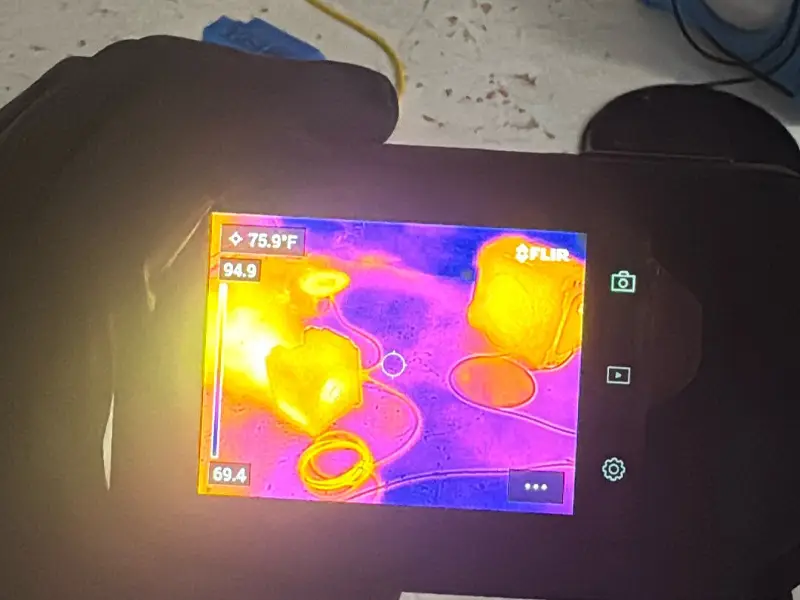
- Moisture readings and drying records from your restoration company, which show what was wet and for how long
How Long Do You Have to File a Water Damage Claim?
There is no single deadline. The NAIC says the amount of time you have to report your claim varies by state, and your policy sets its own requirements for prompt notice. The practical answer is the same everywhere: report as soon as you find the damage. A late report makes it harder to show that the damage was sudden rather than gradual, and gives the water more time to spread.
What Does the Insurance Adjuster Do?
The III describes an adjuster as a person professionally trained to assess the damage. The Colorado Division of Insurance explains that once the adjuster has completed the assessment, they provide documentation of the loss to the insurer to determine your settlement.
Water damage often grows once walls and floors are opened. The Colorado Division of Insurance notes that the first estimate is not always the final one, and that when a contractor finds additional damage, that information should go to the insurer before repair work continues, so the insurer can review it and issue a supplement if approved.

Should You Hire a Public Adjuster?
A public adjuster works for you rather than for the insurer. The Colorado Division of Insurance says you are not required to hire one, and that public adjusters often charge a percentage of the claim amount, a fee set in your contract and paid by you, not included in what the insurer pays. The Colorado Attorney General adds that homeowners can work out a fair settlement directly with their insurance company. If you do hire one, the Colorado guidance says to:
- Verify the license. Public adjusters must be licensed by the Colorado Division of Insurance, and you can check for disciplinary actions.
- Check references, and hire a Colorado-based adjuster if possible.
- Read the contract before signing: the fee or percentage, when it is paid, and any penalty for cancelling.
- Know your right to cancel. The Attorney General’s advisory says consumers can rescind a public adjuster contract within 72 hours of signing, in writing.
The same advisory says a public adjuster may be named as a co-payee on insurance checks but cannot require that checks be issued in the adjuster’s name only.
What If Your Water Damage Claim Is Denied or Underpaid?
The Colorado Division of Insurance sets out these steps:
- Get the reason in writing. If your claim is denied, the insurer is required to provide a written explanation. Ask for the specific policy language the denial relies on.
- Do not rush into a settlement. If the first offer does not meet your expectations, be prepared to negotiate, and get several quotes from contractors to support the value of the claim.
- Escalate inside the company. The III suggests contacting your agent or the insurer’s claim department manager, and notes that if you still disagree, your policy allows for an independent appraisal of the loss.
- Ask the state for help. Claims are filed with your insurer, but the Division of Insurance’s Consumer Services Team answers questions about the claims process and takes complaints if you believe you are not being treated fairly. Visit doi.colorado.gov and choose File a Complaint.
These steps do not guarantee a different result. Each claim is decided on the policy and the facts.
Getting Help With a Water Damage Insurance Claim in Denver
Prime Restore Solutions LLC is an IICRC Certified Firm serving Denver and the Front Range, available 24/7. We stop the damage, extract and dry the structure, record moisture readings and photographs through the job, and provide the documentation your adjuster asks for. Coverage decisions belong to your insurer, and we do not promise any outcome, but a clear record of the loss helps every claim. For water damage that is happening now, call (720) 790-6056.

Learn more about our water damage restoration, leak detection and rebuild and reconstruction services, and our Denver damage restoration team. Multi-family, HOA, apartment and hotel properties are handled as commercial restoration.
Frequently Asked Questions
Can I start cleanup before the adjuster comes?
Yes, for steps that prevent more damage. The III says to take reasonable steps to protect your property from further damage, and the Colorado Division of Insurance says to document the damage and mitigate it when you can do so safely. Photograph everything first, keep receipts, and do not throw out damaged items until the adjuster has seen them.
Will insurance pay if the damage costs less than my deductible?
No. The Colorado Division of Insurance says that if damage estimates are below your deductible, the insurance company will not issue a payment. The NAIC suggests checking your deductible before you report the damage.
What happens if more damage is found during repairs?
Tell your insurer before the work continues. The Colorado Division of Insurance says contractors often find additional damage once repairs begin, and that the insurer will review it and issue a supplement if approved. Repairs for damage that was not part of the covered loss will not be paid.
Does homeowners insurance cover a slow leak?
Usually not if the insurer treats it as a maintenance problem. The III says a policy will not cover damage due to lack of maintenance. Water that escapes suddenly from plumbing or an appliance is the kind of loss many policies list as covered. Check the exclusions in your own policy.
Sources
- Insurance Information Institute, Which Disasters Are Covered by Homeowners Insurance?
- Insurance Information Institute, Settling Insurance Claims After a Disaster
- National Association of Insurance Commissioners, What You Need to Know When Filing a Homeowners Claim
- Colorado Division of Insurance, Consumer Advisory: Tips After Severe Hailstorm (May 22, 2024)
- Colorado Division of Insurance, Consumer Advisory: Homeowners and Auto Insurance Claims After Wind Damage (December 16, 2021)
- Colorado Attorney General, What Does a Public Adjuster Do and Do I Need One?
- FEMA, FloodSmart: Flood Insurance Basics
- U.S. Environmental Protection Agency, A Brief Guide to Mold, Moisture and Your Home