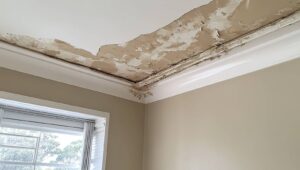
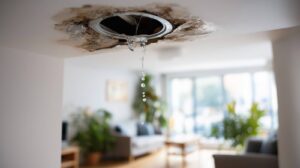
When dealing with flood damage, choosing the right water extraction tools is essential for efficient recovery. You’ll find that submersible pumps, wet/dry vacuums, and specialized extraction machines each serve unique roles in the cleanup process. Additionally, moisture management tools like infrared meters and portable dehumidifiers can greatly enhance your efforts. Understanding how to effectively utilize these tools can make all the difference in preventing further damage. Let’s explore each tool in detail.
Key Takeaways
- Submersible pumps efficiently remove large volumes of water from flooded areas, suitable for both clear and muddy conditions.
- Wet/dry vacuums offer versatile suction power to tackle water, mud, and contaminants, with features like automatic shut-off for convenience.
- Water extraction machines, including portable units and truck-mounted systems, are essential for quick water removal and effective drying.
- Portable dehumidifiers help lower humidity levels, preventing mold growth and protecting homes from long-term flood damage.
- Air movers create high-velocity airflow to accelerate drying, minimizing mold risks and enhancing recovery efficiency.
Submersible Pumps
Submersible pumps are essential tools for efficiently removing water from flooded areas. These devices operate underwater, making them incredibly effective in draining basements, pools, or any submerged environment.
One of the significant advantages of submersible pumps is their ability to handle large volumes of water quickly, which can save you time and reduce potential damage.
To maximize their performance, it’s vital to focus on submersible pump maintenance. Regular checks for wear and tear, ensuring the electrical components are dry, and cleaning the intake filters can prolong the pump’s life and efficiency.
Additionally, using the right pump for your specific needs—whether it’s for clear water or muddy conditions—will enhance its effectiveness.
Wet/Dry Vacuums
When tackling flood damage cleanup, wet/dry vacuums are invaluable tools that combine versatility with efficiency. These powerful machines can handle both liquid and solid debris, making them ideal for various cleanup tasks.
With their strong suction power, they quickly remove water, mud, and other contaminants, helping you restore your space faster.
To maximize performance, vacuum maintenance is essential. Regularly check and clean the filters to ensure peak suction. Empty the tank frequently to prevent clogs and maintain efficiency.
Many models offer features like automatic shut-off when the tank is full, which helps you avoid messy overflows.
Selecting the right wet/dry vacuum involves considering the tank size and suction capability suited to your needs. Investing in a reliable vacuum simplifies your cleanup efforts and supports your community in overcoming the challenges of flood damage.
Water Extraction Machines
When selecting water extraction machines, you’ll encounter various types designed for specific applications and environments.
Key features to evaluate include pump capacity, suction power, and tank size, which impact efficiency and effectiveness.
Understanding these factors will help you choose the right machine for your flood damage restoration needs.
Types of Machines
Water extraction machines play an important role in mitigating flood damage by efficiently removing standing water from affected areas.
There are several types of machines designed for specific water removal tasks. Portable extraction units are ideal for residential use, allowing you to maneuver easily in tight spaces. Truck-mounted systems offer powerful suction capabilities, making them suitable for larger commercial projects. Submersible pumps are perfect for deep water situations where rapid extraction is vital.
Additionally, dehumidifiers are important for maintaining ideal humidity levels during flood recovery, promoting effective drying. Understanding these types of machines ensures you select the right equipment for your needs, facilitating a quicker and more efficient recovery process after flooding incidents.
Key Features to Consider
Selecting the right water extraction machine requires careful consideration of several key features that directly impact performance and efficiency.
First, look for a machine with a high extraction rate, as this determines how quickly you can remove water. Additionally, consider the tank capacity; larger tanks reduce the frequency of emptying.
Portability is crucial—choose a model that’s easy to maneuver in tight spaces. Pay attention to the durability of the materials used, as robust construction ensures longevity.
Finally, don’t overlook equipment maintenance; machines with easy access to components simplify upkeep, enhancing reliability.
Flood Barriers
Although flood barriers are often seen as a last line of defense against rising waters, their timely deployment can greatly mitigate damage to properties and infrastructure. You’ll want to understand various flood prevention strategies, as choosing the right barrier materials is essential for effectiveness.
There are several types of flood barriers available, including sandbags, inflatable barriers, and permanent installations. Sandbags are cost-effective for temporary solutions, while inflatable barriers offer quick deployment. Permanent barriers, made from steel or reinforced concrete, provide long-term protection for high-risk areas.
When selecting a flood barrier, consider factors such as the specific flood risk, the area’s topography, and the anticipated water levels. Ensuring that you have the right materials will enhance your barrier’s ability to withstand pressure and prevent water intrusion.
Portable Dehumidifiers
After implementing flood barriers to protect your property, managing the aftermath is critical.
Portable dehumidifiers are essential tools for effectively reducing humidity levels and preventing mold growth in flooded areas. Their dehumidifier efficiency varies, so it’s important to select models with high extraction rates suited to your space. Look for options that can handle large volumes of water vapor, especially in basements or crawl spaces where moisture tends to accumulate.
Portable options are convenient because you can easily move them to different rooms or areas as needed. Make sure to evaluate the size of the unit, its energy consumption, and its noise level for your comfort.
Additionally, features like built-in hygrometers and continuous drainage options enhance usability. By selecting the right portable dehumidifier, you’ll protect your home and belongings from the long-term effects of flood damage while fostering a healthier living environment.
Infrared Moisture Meters
Infrared moisture meters use thermal imaging technology to detect moisture levels in building materials without direct contact.
By identifying hidden water damage, these tools help you make informed decisions about remediation efforts.
When selecting an infrared moisture meter, consider factors such as accuracy, range, and ease of use to ensure an effective flood damage assessment.
How They Work
An infrared moisture meter is an essential tool for evaluating water damage in flood-affected areas. It uses infrared technology to detect moisture levels without direct contact, allowing you to quickly assess damage and implement effective water removal techniques.
Here’s how it works:
Scan the Surface: Point the meter at walls, floors, or ceilings to capture infrared images.
Measure Temperature Differences: The device detects changes in temperature, indicating moisture presence.
Analyze Data: You’ll receive readings that help identify areas needing attention.
Guide Restoration Efforts: Use the information to prioritize flood restoration methods, ensuring efficient remediation.
Utilizing an infrared moisture meter streamlines your assessment process, making it easier to tackle water damage effectively.
Benefits of Usage
When evaluating flood damage, using infrared moisture meters provides significant advantages that enhance efficiency and accuracy. These devices allow you to quickly detect moisture levels without invasive probing, saving you valuable time during inspections.
By identifying hidden water damage promptly, you can address issues before they escalate, ensuring effective remediation.
The cost efficiency of infrared moisture meters is another compelling benefit. By preventing extensive damage and reducing the need for costly repairs, these tools pay for themselves in the long run.
Additionally, the precision of infrared measurements minimizes guesswork, ensuring you allocate resources effectively.
Ultimately, the integration of infrared moisture meters in your flood damage assessment enhances your ability to deliver timely and effective solutions, fostering trust and satisfaction among your clients.
Key Features to Consider
Choosing the right infrared moisture meter involves considering several key features that directly impact its performance and usability.
When you’re tackling water extraction during flood recovery, these features can make all the difference:
Accuracy: Look for meters that provide precise readings to effectively assess moisture levels.
Range: Confirm the meter covers a wide moisture content range, suitable for various materials affected by flooding.
Response Time: Opt for devices with quick response times, allowing you to make timely decisions in critical situations.
User Interface: A clear, intuitive display helps you interpret data easily, enhancing your efficiency during recovery efforts.
Air Movers
Air movers play an essential role in the water extraction process following flood damage. These powerful devices create high-velocity airflow, considerably improving airflow efficiency in affected areas. By directing air toward wet surfaces, air movers accelerate evaporation, hastening the drying process and minimizing potential mold growth.
When using air movers, you’ll want to employ effective drying techniques. Position the units strategically to cover all damp areas, ensuring ideal airflow reaches every corner.
This method enhances drying and helps maintain a consistent temperature and humidity level, further supporting the restoration efforts.
Frequently Asked Questions
How Do I Choose the Right Tool for My Specific Flooding Situation?
To choose the right tool for your flooding situation, conduct a flooding assessment first. Then, evaluate the tool’s efficiency based on water volume, type, and your specific needs to ensure effective and timely extraction.
Can I Rent Water Extraction Tools Instead of Buying Them?
Absolutely, you can rent water extraction tools instead of buying them. Renting offers rental benefits like cost savings and immediate tool availability, ensuring you have the right equipment without the long-term commitment. It’s smart and practical!
What Safety Precautions Should I Take During Water Extraction?
Wear appropriate safety gear, including gloves and boots. Always check for electrical hazards before starting. Ascertain the area’s power is off, and use a GFCI outlet to minimize shock risks while extracting water.
How Long Does It Typically Take to Fully Extract Water?
Water extraction timelines vary, typically taking hours to days. Factors affecting extraction include water volume, type of materials involved, and equipment efficiency. Understanding these variables helps you plan effectively for a successful extraction process.
Are There Eco-Friendly Options for Water Extraction Tools?
You can definitely find eco-friendly water extraction tools made from sustainable materials that emphasize energy efficiency. These options reduce your environmental footprint and foster a sense of community responsibility in addressing water-related challenges.
Review
Investing in the right water extraction tools is vital for effective flood damage recovery. You might think these tools are too costly, but consider the long-term savings from preventing mold growth and structural damage. By utilizing submersible pumps, wet/dry vacuums, and air movers, you can greatly enhance your restoration efforts. Don’t wait for further damage—equipping yourself with these essential tools ensures a quicker and more efficient recovery process, safeguarding your property and peace of mind.