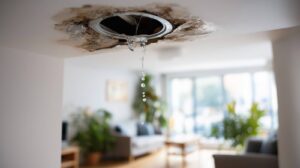
Imagine you’ve just discovered a leak in your basement after a heavy rain, and now you’re facing water damage that could lead to mold growth. Quick action is essential to mitigate health risks and protect your property. But how do you effectively assess the damage and prevent mold from taking hold? Understanding the steps involved can make all the difference in ensuring a safe environment.
Key Takeaways
- Assess the extent of water damage by inspecting visible and hidden areas for moisture and documenting findings thoroughly.
- Contain the affected area with plastic barriers and establish negative air pressure to prevent mold spores from spreading.
- Remove moisture quickly using dehumidifiers, fans, and industrial dryers while monitoring humidity levels below 60%.
- Clean and disinfect surfaces using HEPA filter vacuums and appropriate disinfecting agents, ensuring protective gear is worn.
- Prevent future mold growth by maintaining low humidity, ensuring proper ventilation, and regularly monitoring moisture levels.
Assessing the Extent of Water Damage
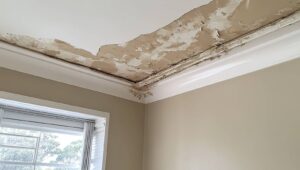
When you face water damage, evaluating its extent is essential for effective mold remediation. Start with an initial inspection to identify visible signs of moisture, such as discoloration or peeling paint.
Check hidden areas like behind walls, under carpets, and in crawl spaces, as damage often lurks where it’s least expected.
Next, conduct a thorough damage evaluation. Use specialized tools like moisture meters to gauge humidity levels and assess water saturation in building materials.
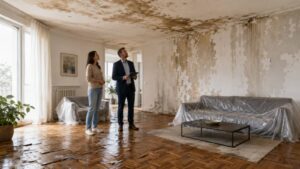
Document your findings meticulously, noting the severity and location of damage. This information will guide you in selecting appropriate remediation techniques and materials.
Containing the Affected Area
To effectively contain the affected area during mold remediation, you need to seal it off from the rest of your home.
Use plastic barriers to create a physical separation, preventing mold spores from spreading.
This step is essential for ensuring a safe and efficient cleanup process.
Seal Off Area
A critical step in mold remediation is sealing off the affected area to prevent spores from spreading throughout your home.
By isolating the contaminated space, you greatly improve the air quality in the rest of your environment. Start by closing windows and doors, ensuring they’re tightly shut. Use damp cloths to seal any gaps to minimize airflow.
Consider using air purifiers equipped with HEPA filters to capture airborne mold spores. This proactive approach not only protects your living space but also fosters a sense of community safety, as you’re safeguarding both your family and neighbors.
Use Plastic Barriers
Sealing off the area is just the beginning; using plastic barriers is key to containing mold contamination effectively.
You’ll want to select high-quality barrier materials, like 6-mil polyethylene plastic, to create a secure enclosure around the affected space. This helps prevent mold spores from escaping and spreading to other areas of your home or workspace.
Make sure to tape all seams and edges tightly to eliminate any gaps. If possible, establish negative air pressure within the containment zone using a fan, further minimizing the risk of spores migrating.
Removing Moisture Effectively
While dealing with mold remediation after water damage, effectively removing moisture is essential to preventing further growth and health hazards.
Start by implementing moisture detection techniques, such as using hygrometers and infrared cameras, to identify hidden damp areas. Once you’ve pinpointed these spots, employ appropriate drying techniques to eliminate moisture efficiently.
Utilize dehumidifiers and fans to enhance air circulation and facilitate water evaporation. For larger areas, consider industrial dryers, which can greatly expedite the drying process.
It’s vital to monitor humidity levels during this phase, ensuring they remain below 60% to inhibit mold proliferation.
Cleaning and Disinfecting Surfaces
Once you’ve effectively removed moisture, the next crucial step in mold remediation is cleaning and disinfecting surfaces to eliminate any remaining spores and prevent future growth.
Start by using a vacuum equipped with a HEPA filter to capture mold spores from carpets and upholstery. For hard surfaces, apply appropriate disinfecting agents, such as a mixture of water and bleach or commercial mold removers, making sure you follow the manufacturer’s instructions.
Scrub surfaces thoroughly, focusing on corners and crevices where spores might linger. Don’t forget to wear protective gear—gloves, goggles, and a mask—to safeguard your health.
After cleaning, allow the disinfectant to sit for the recommended time to ensure effectiveness. Finally, rinse the surfaces with clean water and dry them completely to avoid creating a damp environment conducive to mold growth.
Preventing Future Mold Growth
To prevent future mold growth, you need to control humidity levels in your home.
Keeping humidity below 60% helps inhibit mold spores from thriving.
Additionally, ensure proper ventilation in areas such as bathrooms and kitchens to promote airflow and reduce moisture buildup.
Control Humidity Levels
Controlling humidity levels is essential for preventing future mold growth, especially in areas that have experienced water damage.
Maintaining indoor humidity below 60% is important. You can achieve this by using various dehumidifier options available on the market, ranging from portable units to whole-home systems.
Regular humidity monitoring is also significant; invest in hygrometers to track moisture levels. If you notice humidity rising, act quickly to reduce it.
Implementing these measures protects your home and fosters a healthier living environment.
Ensure Proper Ventilation
Maintaining low humidity is just one part of preventing mold growth; ensuring proper ventilation in your home is equally important. Effective airflow management greatly reduces moisture levels, creating an environment less conducive to mold.
Implement ventilation techniques such as using exhaust fans in kitchens and bathrooms, and opening windows when the weather permits to enhance airflow.
You should also consider installing vents in attics and crawl spaces to promote circulation. Regularly check and clean these vents to prevent blockages that hinder airflow.
Additionally, utilizing dehumidifiers can support ventilation efforts, especially in damp areas. By prioritizing ventilation, you not only protect your home from mold but also create a healthier living space for you and your loved ones.
When to Seek Professional Help
Although some minor mold issues can be addressed with DIY methods, there are critical indicators that signal when it’s time to call in professionals. Ignoring these signs can lead to serious health risks for you and your loved ones, making a mold inspection vital.
Here’s when you should consider reaching out for expert help:
- You notice a musty odor that persists despite cleaning.
- The mold covers an area larger than 10 square feet.
- You experience health symptoms, like respiratory issues or allergies, after mold exposure.
- The mold seems to return quickly after remediation attempts.
If you encounter any of these situations, don’t hesitate to contact a mold remediation specialist. They’ll ensure proper assessment and safe removal, protecting your home and health from further damage.
Frequently Asked Questions
How Long Does It Take for Mold to Grow After Water Damage?
Mold can start growing within 24 to 48 hours after water damage, depending on various factors like humidity, temperature, and surface materials. Understanding this mold growth timeline helps you take timely action to prevent further issues.
Can I Use Bleach to Remove Mold Effectively?
You can’t effectively use bleach for mold removal. While it may kill surface mold, it doesn’t penetrate porous materials where mold roots reside. For safety, consider specialized mold removers that address deeper infestations.
What Types of Mold Are Most Commonly Found After Water Damage?
You’ll commonly encounter toxic molds like Stachybotrys and Aspergillus after water damage. Recognizing mold symptoms—such as respiratory issues and skin irritation—helps you identify potential hazards and take action for a safer environment.
Are There Any Natural Remedies for Mold Removal?
Yes, you can use natural solutions like vinegar for mold removal. Vinegar’s benefits include its antifungal properties, which effectively kill mold spores. Just spray it on affected areas, let it sit, and wipe clean for best results.
How Can I Tell if Mold Is Hidden Behind Walls?
You can tell if mold’s hidden behind walls by using mold detection techniques like moisture meters and looking for hidden moisture indicators, such as discoloration, musty odors, or peeling paint. Trust your instincts for signs.
Summary
In the battle against mold after water damage, time is your greatest ally. You can’t afford to wait—every second counts as mold multiplies like a science fiction horror film! By swiftly evaluating damage, containing the area, and removing moisture, you can reclaim your space. Cleaning surfaces and preventing future growth ensures you’re not just fighting a battle, but winning a war. Don’t hesitate to call in professionals if the situation spirals out of control; your health and home depend on it!