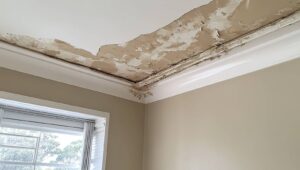
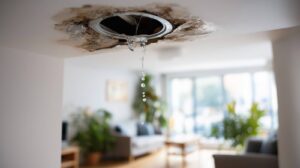
Mold growth is a common issue in many homes, which highlights the importance of taking proactive steps to prevent it from developing in your living space. By maintaining ideal humidity levels, ensuring proper ventilation, and regularly inspecting common problem areas, you can greatly reduce your risk. Discover how these simple yet effective strategies can help you create a healthier, mold-free home environment.
Key Takeaways
- Maintain indoor humidity levels between 30% and 60% to prevent mold growth.
- Regularly inspect and clean areas prone to moisture, like bathrooms and kitchens.
- Fix any plumbing leaks promptly to eliminate sources of water damage.
- Ensure proper ventilation using exhaust fans and open windows for airflow.
- Educate household members on mold prevention strategies and cleaning routines.
Maintain Optimal Humidity Levels
How can you keep mold at bay in your home? One of the most effective strategies is maintaining ideal humidity levels. Mold thrives in environments with high humidity, so it’s vital to control this moisture. Aim to keep indoor humidity between 30% and 60%.
You can achieve this by using dehumidifiers in damp areas like basements and bathrooms, particularly after showers or cooking.
Be vigilant about moisture sources, too. Fix any leaks in plumbing or roofs promptly, as even small amounts of water can lead to mold growth.
Make certain that appliances like washing machines and dishwashers are functioning properly to prevent water accumulation. Regularly check areas like windows and doors for condensation, and consider using exhaust fans to reduce humidity in high-moisture areas.
Ensure Proper Ventilation
Ensuring proper ventilation is essential for preventing mold growth in your home, especially in areas prone to moisture. Effective airflow management can greatly reduce humidity, which is a primary factor in mold development.
Start by making sure your home has adequate exhaust fans in kitchens and bathrooms. These fans help expel warm, moist air outside, preventing it from settling in your living spaces.
Additionally, consider using window vents or air exchanges to promote fresh air circulation throughout your home. Open windows when weather permits, and keep interior doors open to facilitate airflow between rooms.
Regularly check that vents and fans are unobstructed and functioning properly. By prioritizing proper ventilation, you create an environment that discourages mold growth, ensuring a healthier and more comfortable living space for you and your loved ones.
Taking these steps fosters a sense of community and belonging in a safe, mold-free home.
Regularly Inspect and Clean Common Problem Areas
Regular inspections and cleaning of common problem areas are essential steps in preventing mold growth in your home. Focus on mold hotspots like bathrooms, kitchens, and basements, where moisture tends to accumulate.
Start by checking for leaks around sinks, pipes, and windows—these are prime candidates for mold development.
Utilize effective cleaning techniques such as a mixture of water and vinegar or specialized mold removers to tackle any visible growth.
Regularly wipe down surfaces, especially in humid areas, to keep mold at bay.
Don’t forget to inspect behind appliances and under sinks, as these hidden spaces can harbor moisture and mold spores.
Frequently Asked Questions
How Can I Identify Hidden Mold in My Home?
To identify hidden mold in your home, use mold detection methods like visual inspections and moisture meters. Check areas near moisture sources such as leaky pipes or damp basements to catch issues early before they escalate.
What Types of Mold Are Most Harmful to Health?
Toxic molds, like black mold and Aspergillus, can trigger severe allergic reactions. While some molds are harmless, these specific types can cause respiratory issues and other health problems. Staying informed helps you protect your home and health.
Can Mold Grow in Cold Environments?
Yes, mold can grow in cold temperatures, especially if moisture is present. While growth may slow down, it doesn’t stop entirely. You should monitor humidity levels to prevent mold growth even in colder environments.
How Often Should I Check for Mold?
You should conduct mold inspections at least twice a year, ideally during seasonal changes. Regular checks help you catch potential issues early, protecting your home and ensuring a safe environment for you and your loved ones.
What Should I Do if I Find Mold?
If you find mold, act quickly. Start with mold testing to assess severity, then proceed with mold removal using appropriate methods. Make certain you wear protective gear and ventilate the area to prevent further growth.
Conclusion
By keeping humidity in check, ensuring your home breathes, and routinely inspecting for trouble spots, you’re well on your way to a mold-free sanctuary. But what if you miss a hidden leak or neglect a damp corner? The stakes are high—mold can creep in when you least expect it, turning your haven into a health hazard. Stay vigilant and proactive, because the best defense against mold isn’t just knowing the signs; it’s taking action before it starts.