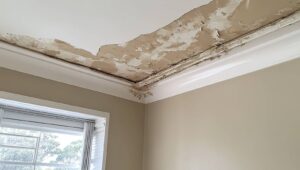
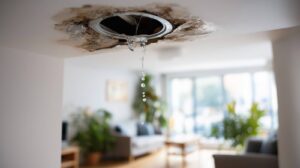
Just as a small spark can ignite a forest fire, water damage can trigger rapid mold growth if not addressed promptly. Within 24 to 48 hours, mold can proliferate in damp environments, posing serious health risks and compromising your property’s structural integrity. Understanding why top mold remediation techniques are essential can help you safeguard your home and health. What effective strategies can you implement to combat this hidden threat?
Key Takeaways
- Quick mold remediation prevents health risks, as mold can grow within 24 to 48 hours after water damage.
- Effective techniques minimize property damage by preventing mold spread and safeguarding structural integrity.
- Utilizing HEPA filters during remediation improves air quality and reduces airborne mold spores.
- Professional services ensure thorough assessment and safe removal of mold, mitigating health hazards.
- Implementing remediation techniques enhances home safety and helps maintain property value post-water damage.
The Importance of Timely Mold Remediation
When it comes to mold remediation, acting quickly can make all the difference in preventing health risks and property damage.
Understanding the mold lifecycle is essential; mold spores can germinate within 24 to 48 hours in the presence of moisture. If you control the moisture promptly, you can greatly inhibit mold growth and limit its spread.
Timely remediation protects your health—since mold exposure can lead to respiratory issues and allergic reactions—and safeguards your property.
Left unchecked, mold can compromise structural integrity and lead to costly repairs.
Identifying Mold Growth After Water Damage
After water damage, you need to be vigilant for signs of mold presence, such as discoloration or a musty odor.
Mold thrives in damp environments, particularly in areas like basements, bathrooms, and around windows.
Understanding the ideal growth conditions can help you identify potential mold issues before they escalate.
Signs of Mold Presence
Mold presence often reveals itself through distinct signs following water damage, making early detection essential for effective remediation.
You’ll want to look for mold growth indicators like discoloration on walls or ceilings, a musty odor, or visible mold spots. Utilizing mold detection methods such as moisture meters or air quality tests can help confirm suspicions.
Pay attention to areas prone to dampness, like basements, bathrooms, and behind appliances. If you notice increased allergic reactions or respiratory issues within the household, it could signal hidden mold growth.
Ideal Growth Conditions
Understanding the ideal growth conditions for mold is essential, especially in environments affected by water damage.
Mold thrives under specific circumstances, and recognizing these can help you prevent its spread.
Key factors that promote mold growth include:
- High humidity levels (above 60%)
- Consistent moisture from leaks or floods
- Warm temperatures (between 70°F and 90°F)
- Organic materials (wood, drywall, fabric) as food sources
- Poor ventilation, which traps moisture
Areas Prone to Mold
When water damage occurs, certain areas in your home become hotspots for mold growth, making it essential to identify them promptly.
Common mold hotspots include bathrooms, kitchens, basements, and around windows. These locations often retain moisture, creating ideal conditions for mold proliferation.
Inspect areas where water may collect, such as under sinks or behind appliances. Maintaining effective moisture control is vital; consider using dehumidifiers and ensuring proper ventilation.
Regularly check for leaks and repair them immediately to minimize mold risk. By being proactive and vigilant in these susceptible areas, you can greatly reduce the chances of mold infestation and protect your home and health.
Your awareness can foster a safer, healthier living environment for everyone.
Common Mold Remediation Techniques
Several effective mold remediation techniques can help you tackle mold issues in your home or business.
Implementing the right mold removal strategies is essential for maintaining a safe environment.
Here are some common remediation strategies you can consider:
Identify and Fix Moisture Sources: Find where the moisture is coming from and address it immediately.
Containment: Seal off affected areas to prevent mold spores from spreading.
Air Filtration: Use HEPA filters to capture airborne mold spores during the remediation process.
Cleaning and Disinfecting: Use appropriate cleaning agents to remove mold from hard surfaces.
Removal of Contaminated Materials: Safely dispose of any materials that can’t be cleaned, such as drywall or carpeting.
The Role of Professional Mold Remediation Services
Professional mold remediation services play an essential role in effectively addressing mold infestations that exceed DIY capabilities.
These experts utilize advanced mold inspection techniques to accurately assess the extent of the problem. Their professional assessment identifies visible mold and uncovers hidden sources that could pose health risks.
By employing specialized equipment, they can detect moisture levels and assess air quality, ensuring a thorough understanding of your environment. This meticulous approach is significant because mold can lead to serious health issues, making early detection and intervention critical.
Additionally, professionals are trained to follow industry standards for remediation, which ensures that the mold is safely removed and that your space is restored to a healthy condition.
Engaging these services provides peace of mind and fosters a sense of belonging, knowing that your home is safe and free from harmful mold.
Preventing Future Mold Growth
After addressing a mold issue with professional services, it’s vital to implement strategies that prevent future growth.
By focusing on effective mold prevention strategies, you can create a healthier living environment. Moisture control measures are necessary, as mold thrives in damp conditions.
Here are key steps to keep in mind:
- Regularly inspect and repair leaks in roofs, pipes, and walls.
- Utilize dehumidifiers in areas prone to high humidity, like basements.
- Ensure proper ventilation in kitchens and bathrooms to reduce moisture buildup.
- Maintain a consistent indoor temperature to discourage mold growth.
- Use mold-resistant products when renovating or painting.
Utilizing HEPA Filters in Mold Removal
When tackling mold removal, utilizing HEPA filters can greatly enhance the effectiveness of your remediation efforts.
HEPA filters are designed to capture 99.97% of particles as small as 0.3 microns, including mold spores, dust, and allergens. This level of HEPA efficiency is essential in ensuring that the air quality in your space improves considerably during and after the remediation process.
By incorporating HEPA filters into your air purification systems or vacuum cleaners, you’ll effectively reduce airborne mold spores that can lead to further infestations or health issues.
It’s important to maintain clean air throughout the mold removal process, as disturbed spores can spread quickly, worsening the problem.
Using HEPA filters protects your living environment and contributes to a healthier community.
Your commitment to maintaining high air quality fosters a sense of belonging and wellness for everyone who shares your space.
The Benefits of Antimicrobial Treatments
In conjunction with using HEPA filters, antimicrobial treatments play an essential role in mold remediation. These treatments effectively inhibit mold growth, ensuring a safer environment for you and your loved ones.
By understanding the benefits of antimicrobial effectiveness, you can make informed decisions regarding treatment application.
Prevents future mold growth: Antimicrobial treatments create a protective barrier against mold spores.
Enhances indoor air quality: Reducing mold minimizes allergens and improves overall air quality.
Increases property value: A mold-free environment positively influences property assessments.
Promotes health and well-being: Reducing mold-related health risks fosters a healthier living space.
Saves time and money: Investing in effective treatments now can prevent costly mold repairs later.
Importance of Proper Ventilation
Proper ventilation is crucial for effective mold remediation, as it directly impacts moisture levels in your home. Without adequate air circulation, humid air can become trapped, creating an ideal environment for mold growth. By utilizing efficient ventilation systems, you ensure that damp air is expelled and replaced with drier air, which greatly reduces the chances of mold taking hold.
Moreover, proper ventilation aids in mold prevention and enhances overall indoor air quality. When you improve air circulation, you reduce pollutants and allergens, fostering a healthier living space. This is especially critical for homes that have experienced water damage, where stagnant air can exacerbate existing problems.
Investing in quality ventilation systems is a proactive approach that promotes long-term home health. By prioritizing ventilation, you create a supportive environment for yourself and your loved ones, making your home a safe haven.
The Cost of Ignoring Mold Issues
Ignoring mold issues can lead to serious health risks, escalating repair costs, and a decline in your property value.
Mold exposure is linked to respiratory problems and other health complications, which can result in costly medical bills.
Additionally, the longer you wait to address mold, the more extensive and expensive the repairs will become.
Health Risks Increased
Mold isn’t just an unsightly nuisance; it poses serious health risks that can escalate if not addressed promptly. Ignoring mold issues can lead to mold toxicity, which may trigger a range of health symptoms.
You might think it’s just a minor concern, but the consequences can be profound.
- Respiratory issues like asthma or chronic cough
- Allergic reactions, including sneezing and skin rashes
- Fatigue and headaches
- Neurological symptoms, such as memory loss
- Weakened immune system, increasing susceptibility to infections
Property Value Decline
Neglecting mold issues jeopardizes your health and can lead to a significant decline in property value.
In today’s competitive property market, buyers are increasingly wary of homes with mold history. During a home appraisal, any signs of mold can lead to lower estimates, directly impacting your resale value.
Potential buyers often perceive mold as a red flag, questioning the overall maintenance and safety of your home. This negative perception can make it harder to attract offers, and when you do, they may come in below market value.
Addressing mold problems proactively safeguards your health and protects your investment, helping you maintain a strong position in the property market.
Repair Costs Escalate
When you delay addressing mold issues, repair costs can escalate quickly and noticeably. Ignoring mold leads to health risks and greatly impacts your budget through unforeseen expenses.
Implementing effective repair strategies early on can mitigate these financial implications.
- Mold spreads rapidly, increasing remediation costs.
- Structural damage may necessitate more extensive repairs.
- Health-related expenses can arise from mold exposure.
- Insurance claims may be denied if mold is ignored.
- The overall property value can decrease, leading to lost equity.
Frequently Asked Questions
How Quickly Can Mold Growth Occur After Water Damage?
Mold growth can start within 24 to 48 hours after water damage if you don’t respond quickly. Understanding the mold growth timeline helps you act fast and minimize health risks and property damage effectively.
What Are the Health Risks Associated With Mold Exposure?
Mold exposure can lead to various health risks, including respiratory issues like asthma and chronic cough. You might also experience mold symptoms such as headaches, fatigue, and skin irritation, impacting your overall well-being and daily life.
Can I Use Regular Cleaning Supplies for Mold Removal?
Using regular cleaning supplies for mold removal is like using a band-aid for a broken bone; it’s inadequate. For effective solutions, specialized mold cleaning products are essential to ensure thorough remediation and prevent future growth.
How Do I Know if Mold Is Completely Removed?
To know if mold’s completely removed, conduct mold testing and perform a thorough visual inspection. Look for any signs of mold regrowth or lingering odors, ensuring your environment is safe and healthy for everyone.
What Should I Do if Mold Keeps Returning?
If mold keeps returning, assess your moisture levels, improve ventilation, and implement mold prevention strategies. Consider professional help for long-term solutions, ensuring your environment remains healthy and welcoming for you and your loved ones.
Wrap-Up
Ignoring mold growth can lead to serious health risks and costly repairs, while timely remediation safeguards your home and well-being. By employing top mold remediation techniques, you eliminate existing problems and prevent future infestations. The choice is clear: act swiftly to protect your property and health, or face the consequences of neglect. Investing in professional services and preventative measures today can save you from the headaches of tomorrow.