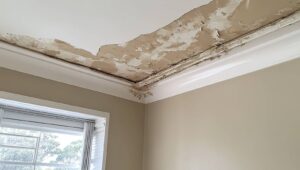
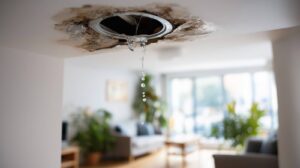
Imagine stepping into a dimly lit room, the air thick with the musty scent of decay and the lurking danger of black water contamination. Following safe practices for black water mold removal isn’t just a precaution—it’s a necessity for protecting your health and that of others. Understanding the risks, using the right protective gear, and employing effective containment methods are essential steps. So, what exactly do you need to know to navigate this hazardous situation safely?
Key Takeaways
- Safe practices reduce the risk of exposure to harmful pathogens and contaminants found in black water.
- Proper PPE protects against respiratory issues, skin irritations, and gastrointestinal infections during mold removal.
- Containment techniques prevent the spread of mold spores, ensuring a safer environment for everyone.
- Effective cleaning and disinfection methods eliminate mold and bacteria, promoting health and safety post-remediation.
- Professional assistance guarantees expertise, specialized equipment, and safe handling of hazardous materials, enhancing overall remediation effectiveness.
Understanding Black Water and Its Risks
When dealing with mold removal, understanding black water is essential, as it presents significant health risks. Black water typically originates from sewage or floodwaters, carrying harmful pathogens and contaminants. Exposure to this type of water can lead to serious health issues, including gastrointestinal infections, respiratory problems, and skin irritations.
It’s vital to recognize that even brief exposure can pose dangers to you and your family.
When faced with black water, you must prioritize safety and act promptly. The risks associated with mold growth in these conditions can exacerbate existing health concerns, particularly for vulnerable populations like children or the elderly.
Awareness of these health risks empowers you to take appropriate measures, ensuring a safer environment for everyone involved. By understanding the nature of black water, you can make informed decisions that protect your health and well-being during the mold removal process.
Essential Personal Protective Equipment (PPE)
When tackling black water mold removal, using the right personal protective equipment (PPE) is essential for your safety.
Various types of PPE, including gloves, masks, and protective suits, can shield you from harmful contaminants.
Understanding the importance and selection of appropriate PPE will help mitigate health risks associated with mold exposure.
Importance of PPE
Although black water mold removal can be a challenging task, prioritizing personal protective equipment (PPE) is essential for ensuring your safety. By adhering to PPE guidelines, you protect yourself from harmful mold spores and contaminants.
The benefits of using PPE extend beyond personal safety; they also foster a sense of responsibility within your community.
Consider the following PPE benefits:
- Health Protection: Reduces the risk of respiratory issues and skin irritations.
- Increased Confidence: Knowing you’re equipped properly allows you to focus on the task at hand.
- Community Trust: Demonstrating safety practices encourages others to follow suit, creating a safer environment for everyone.
Types of PPE Needed
To effectively tackle black water mold removal, you need at least three essential types of personal protective equipment (PPE) to guarantee your safety.
First, invest in high-quality glove types, such as nitrile or latex, that provide a strong barrier against contaminants.
Next, use a mask that meets specific mask specifications, ideally an N95 respirator or a full-face respirator, to filter out harmful spores and particles.
Ultimately, wear protective eyewear to shield your eyes from irritants.
By equipping yourself with these essential items, you not only protect your health but also foster a sense of community among others who prioritize safety during mold remediation.
Proper Containment Techniques
Proper containment techniques are essential for effectively managing black water mold removal, as they prevent spores from spreading to unaffected areas.
By implementing these strategies, you can protect both your environment and health.
To achieve proper containment, consider the following:
Containment Barriers: Use plastic sheeting to seal off the affected area, preventing spores from escaping.
Air Filtration: Employ HEPA air filters to capture airborne mold particles, ensuring cleaner air in your workspace.
Negative Air Pressure: Create negative pressure within the containment area to further inhibit the spread of mold spores.
Effective Cleaning and Disinfection Methods
When tackling black water mold removal, effective cleaning and disinfection methods are essential for guaranteeing that the affected surfaces are thoroughly treated and safe for re-entry.
Start by selecting the right cleaning agents that are specifically designed to tackle mold and bacteria. Look for products labeled as EPA-approved to confirm effectiveness.
Once you’ve chosen your cleaning agents, apply appropriate disinfection techniques. Begin by scrubbing the surfaces to remove visible mold, then apply the disinfectant according to the manufacturer’s instructions. Allow it to sit for the recommended contact time to guarantee maximum efficacy.
Don’t forget to wear protective gear during this process, as safety is paramount.
After cleaning, ventilate the area to promote drying and prevent future mold growth.
Safe Disposal of Contaminated Materials
When it comes to disposing of contaminated materials, wearing proper protective gear is essential to safeguard your health.
You also need to familiarize yourself with local disposal regulations to guarantee compliance and avoid penalties.
Following effective containment and cleanup procedures will minimize the risk of further contamination during the disposal process.
Proper Protective Gear
To effectively handle contaminated materials during black water mold removal, wearing the right protective gear is essential.
This guarantees your safety and aligns with established safety protocols. Here’s what you need to prioritize:
- N95 respirator or higher: Protects against inhaling harmful spores and bacteria.
- Waterproof gloves: Shields your skin from contaminants and irritants.
- Protective coveralls: Prevents direct contact with mold and contaminated surfaces.
Local Disposal Regulations
Understanding local disposal regulations is vital for safely managing contaminated materials during black water mold removal. You need to familiarize yourself with your local government guidelines to guarantee compliance and protect your community.
Improper disposal can lead to health risks and environmental damage, which is why adhering to established waste management practices is imperative.
Check with local authorities about specific disposal methods for contaminated materials, as regulations can vary considerably. For instance, some areas may require you to use designated disposal sites or follow particular protocols for transporting hazardous waste.
Containment and Cleanup Procedures
While effective containment and cleanup procedures are crucial for safe black water mold removal, they also play an important role in minimizing the spread of contaminants.
Implementing proper containment strategies guarantees that affected areas remain isolated, reducing the risk of spores traveling to unaffected spaces. Adhering to established cleanup protocols is essential for safeguarding your health and that of others.
Consider the following key points:
- Use heavy-duty plastic sheeting to seal off contaminated areas.
- Employ negative air pressure machines to filter out airborne particles.
- Dispose of contaminated materials in accordance with local regulations.
Importance of Professional Assistance
When dealing with black water mold removal, seeking professional assistance is essential for ensuring both safety and effectiveness.
The health hazards associated with black water exposure can be severe, including respiratory issues and skin irritations. Professionals bring invaluable expertise to the table, allowing them to identify and mitigate these risks effectively.
Their training equips them with the knowledge to handle hazardous materials safely, ensuring that you and your loved ones are protected throughout the process.
Additionally, professionals can efficiently assess the extent of the mold growth, employing specialized equipment that most homeowners don’t have access to.
Frequently Asked Questions
How Can I Identify Black Water Sources in My Home?
To identify black water sources in your home, check areas prone to flooding, inspect plumbing leaks, and look for signs of moisture or mold growth. Understanding these factors helps you take necessary precautions effectively.
What Are the Health Symptoms of Black Water Exposure?
Exposure to black water can cause various health risks, including respiratory issues, skin irritation, headaches, and gastrointestinal problems. If you experience these symptoms, it’s essential to seek medical attention and address the source immediately.
How Long Does Mold Removal Typically Take?
Mold removal duration can feel like an eternity, but it typically takes a few days. Factors affecting removal include the extent of contamination, type of mold, and the space’s accessibility. You’ll want efficient, thorough work!
Can I Handle Small Black Water Spills Myself?
You can handle small black water spills yourself, but prioritize DIY safety. Use proper protective gear and follow effective spill cleanup methods to minimize health risks and guarantee a thorough, safe cleaning process.
How Can I Prevent Future Black Water Incidents?
To prevent future black water incidents, embrace preventive measures like regular inspections. Maintaining your plumbing, ensuring proper drainage, and addressing leaks swiftly will shield your space from potential disasters and foster a healthier environment for everyone.
Summary
Prioritizing safe practices for black water mold removal is essential for your health and safety. By donning dependable PPE, diligently containing the area, and using effective cleaning methods, you can combat harmful pathogens effectively. Remember, the wise choice of enlisting professional help can safeguard against serious risks. Don’t take chances with contamination; embrace a safe, systematic strategy to protect your home and health from the lurking dangers of mold.