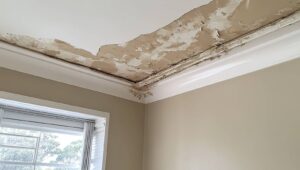
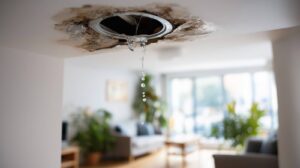
Stormwater Intrusion Cleanup should begin as soon as water enters your home, as even a small amount of flooding can quickly lead to extensive damage. Water creeps across your basement floor like a slow, dark tide, and you need to act fast. Shut off the power, stop the spread, and begin water removal with care. Every step matters, from pumping out standing water to drying hidden dampness before mold can take hold. A thorough Stormwater Intrusion Cleanup plan protects your structure, your belongings, and your safety, but the critical detail most homeowners miss may be the one that changes everything.
Key Takeaways
- Stop the water source if safe, document damage, and shut off affected power only when the panel is dry and accessible.
- Prevent spread by sealing openings, clearing debris, checking the sump pump, and turning off basement HVAC returns.
- Pump standing water safely from the lowest point, monitoring levels and keeping electrical hazards treated as energized.
- Remove mud, clean hard surfaces with detergent, disinfect, and dry the basement quickly with fans and dehumidifiers.
- Inspect for hidden damage, salvage only clean dry items, and call professionals if drywall, insulation, or electrical systems are affected.
What to Do First After Stormwater Intrusion
As soon as stormwater intrusion occurs, you should stop the source if it’s safe to do so, then isolate the affected area and protect occupants from contaminated water and electrical hazards.
Next, complete an initial assessment: note water depth, visible damage, odors, and any ceiling sagging or wall movement.
Wear safety precautions such as waterproof boots, gloves, and eye protection before entering.
Shut off power to affected circuits only if the panel is dry and accessible; if not, wait for a qualified professional.
Document conditions with photos for your records and insurance claim.
Keep everyone out of the space until hazards are identified.
You’re not alone in this; careful first actions reduce risk and help your recovery team work efficiently.
Stop Basement Stormwater From Spreading
Once you’ve secured the area and documented the damage, focus on keeping basement stormwater from moving farther through the structure. Block low openings with weighted plastic, foam backer rod, or sandbags to redirect flow away from walls and joint seams.
Use water diversion strategies outside, too: clear debris from window wells, extend downspouts, and grade temporary berms so runoff leaves the foundation quickly.
If water is entering through floor drains, seal the area and isolate nearby rooms with towels or absorbent barriers. Turn off HVAC returns in the basement to limit spread through ductwork.
If you already have sump pump installation, verify the discharge line isn’t recirculating water near the foundation. You’re not handling this alone; these controls help your space stay contained and recoverable.
Pump Out Standing Water Safely
Before you start pumping, check that all power sources are dry, properly grounded, and safe to use.
Place the pump on a stable surface at the lowest point of the standing water so it can draw efficiently without stirring debris.
Keep monitoring the water level throughout the process so you can adjust the pump and prevent it from running dry.
Check Power Sources First
Start by checking every power source in the flooded area so you can pump out standing water without creating an electrical hazard.
Before you touch a cord, breaker, or outlet, confirm the main service is off if water has reached electrical equipment.
Use safety precautions: wear dry gloves, stand on an insulated surface, and keep extension cords out of the water.
If you can’t verify a circuit’s status, don’t guess; treat it as energized.
Inspect visible outlets, power strips, and appliance plugs for damage, corrosion, or heat.
If you smell burning or hear buzzing, back away and call a licensed electrician.
Once the area is confirmed safe, you can work with confidence, protecting your crew and keeping the cleanup controlled.
Use Proper Pump Placement
Position the pump on the lowest stable surface in the flooded area, then route the discharge hose away from the structure so water won’t cycle back in. Your pump positioning should favor level footing, clear intake access, and a short, untangled hose path.
Before you start, do a quick drainage assessment to confirm where water can move without pooling near walls or steps.
- Set the pump on firm blocks.
- Keep the intake free of debris.
- Aim the hose downslope and outward.
- Secure connections to prevent leaks.
This setup helps you remove standing water safely and efficiently. You’re not doing this alone; careful placement gives your cleanup team a stable, controlled start and reduces avoidable strain on the system.
Monitor Water Levels Continuously
Once the pump is in place, keep checking the water level so you can remove standing water safely without overworking the system. You’ll protect the pump by watching for drops in depth, then pausing it before it runs dry.
Use water monitoring at regular intervals, and note any rise that suggests inflow from drains or wall seams. If the level rebounds quickly, increase discharge capacity or call for help.
Keep cords, hoses, and outlets dry, and stand clear of the pumping area. You’re not handling this alone; steady checks help your team maintain control and support flood prevention.
When the basin stays low, you can shut down the pump, confirm complete drainage, and move on to drying with confidence.
Remove Mud and Debris
Scoop out standing mud and loose debris as soon as the area is safe to enter, because these materials can trap moisture, spread contamination, and damage surfaces.
Use mud removal techniques that start at the edges and move toward the drain path, so you’re not pushing sludge deeper into cracks. Then sort waste with clear debris disposal methods that keep salvageable items separate from contaminated material.
- Wear gloves, boots, and eye protection.
- Shovel heavy deposits into lined buckets.
- Bag sharp or porous debris immediately.
- Rinse tools between passes to limit cross-contamination.
You’re not handling this alone; steady, methodical cleanup helps protect your basement and supports a safer recovery.
Keep each pass controlled, and you’ll restore order faster while reducing unnecessary wear on floors, walls, and stored belongings.
Dry the Basement Before Mold Starts
Remove any standing water as soon as possible to reduce moisture that supports mold growth.
You should also boost air circulation with fans and dehumidifiers to speed evaporation from floors, walls, and hidden cavities.
Keep monitoring damp areas until the basement reaches a dry, stable condition.
Remove Standing Water
Act quickly to clear any standing water, because excess moisture can trigger mold growth within 24 to 48 hours.
You can use proven water extraction methods to reduce loss and protect finishes. If the water line is deep, shut off power to affected circuits and document conditions for insurance claims before you start.
Remove small amounts with a wet/dry vacuum.
Pump larger pools with a submersible pump.
Use buckets and squeegees for trapped water.
Empty absorbent materials that stay saturated.
Work from the outer edges toward the drain or exit point, and wear gloves plus boots for safe handling.
Stay organized, because your careful response helps the whole home recover faster.
Boost Air Circulation
Once the standing water is gone, move quickly to dry the basement before mold can take hold.
You should open windows only if outdoor air is drier than indoor air, then place box fans to create crossflow across walls, floors, and stored items. Aim one fan to blow air out and another to pull fresh air in.
If you have dehumidifiers, run them continuously and keep drain hoses clear. Use airflow techniques that reach corners, joists, and behind appliances, because trapped moisture lingers there.
Portable ventilation systems can accelerate drying when natural circulation isn’t enough. Remove wet insulation, cardboard, and fabric so air can move freely.
Check humidity with a meter and keep it below 60%. By acting now, you protect your space and help everyone in your home feel secure.
Clean and Disinfect Flood-Damaged Surfaces
Start by washing all flood-damaged hard surfaces with clean water and detergent to remove silt, debris, and residues before disinfection. You’re making the area safer for everyone in your home by following disciplined surface sanitization steps.
After rinsing, apply an EPA-registered disinfectant according to label contact time; don’t dilute it unless the label allows it. These disinfection techniques reduce microbial load and help restore a healthy basement environment.
- Wear gloves and eye protection.
- Clean from the least dirty areas outward.
- Keep surfaces visibly wet for the full contact time.
- Ventilate the space during and after treatment.
If a surface stays sticky or stained, repeat cleaning and disinfection. You’ve got a clear, effective process, and each step supports your household’s recovery with confidence.
Salvage Items After Stormwater Cleanup
After the hard surfaces are clean and disinfected, you can begin sorting which belongings are safe to keep.
Work in small groups, and separate dry, undamaged items from anything stained, warped, or odor-affected. Launder fabrics in hot water if the label allows, then air-dry them completely before storing.
For paper goods, discard anything soaked through or contaminated.
To salvage electronics, unplug each device, wipe exterior moisture, and let it dry fully before testing; if water entered the case, have a technician inspect it.
As you restore personal belongings, document what you keep so you can track replacements and insurance claims.
Stay methodical, and trust that careful choices now help you rebuild a safe, familiar space.
Spot Hidden Damage in Walls and Floors
Even when surfaces look dry, stormwater can leave hidden damage inside walls and under floors, so you should inspect for soft spots, discoloration, swelling, and musty odors.
Use a flashlight and a moisture meter to find hidden moisture behind baseboards, trim, and flooring seams. Check wall integrity by pressing gently on drywall; give attention to buckling paint, warped panels, and loose flooring edges.
You’re not alone in this process—many basements show subtle signs before larger problems appear.
- Mark stained areas for follow-up.
- Compare one wall section to another.
- Listen for crunching or hollow sounds.
- Note any cool, damp patches underfoot.
If you document these clues carefully, you’ll spot damage early and protect your space from worsening deterioration.
When to Call in Stormwater Cleanup Pros
If you’ve found hidden moisture, warped materials, or a musty odor that keeps coming back, it’s time to bring in stormwater cleanup professionals.
You need expert help when water has reached drywall, insulation, subflooring, or electrical systems, because delayed action can spread contamination and structural decay.
A detailed stormwater assessment identifies the source, tracks hidden saturation, and confirms what materials need removal or drying.
Professional services also use calibrated extraction, dehumidification, and antimicrobial protocols to reduce future mold growth.
If you notice recurring damp spots, rust, or peeling finishes after cleanup, don’t wait.
You deserve a basement that feels safe, restored, and truly yours.
Calling trained specialists gives you a clear plan, faster recovery, and the confidence that every critical detail’s handled correctly.
Frequently Asked Questions
What Causes Stormwater Intrusion in Basements?
You get stormwater intrusion when heavy rainfall raises the water table, saturates soil, overwhelms drainage systems, exploits foundation cracks, poor landscape grading, plumbing issues, and weak waterproofing solutions, letting water seep into your basement.
How Can I Prevent Future Stormwater Seepage?
You can prevent future stormwater seepage by upgrading drainage solutions, sealing foundation cracks, and applying waterproofing techniques. Keep gutters clear, extend downspouts, and grade soil away from walls; you’ll protect your basement and feel secure.
Should I File an Insurance Claim After Basement Flooding?
Yes, file a claim if your insurance policy covers flood damage; start the claim process promptly, document losses, and contact your adjuster. You’ll protect your recovery options and join others rebuilding confidently.
How Do I Know if My Sump Pump Failed?
You’ll know your sump pump failed if water rises, the motor stays silent, or it runs nonstop. Check sump pump maintenance records, float movement, and sump pump installation wiring; you’re not alone—these signs are fixable.
Can Stormwater Cleanup Affect Indoor Air Quality?
Yes, stormwater cleanup can affect indoor air quality, like a storm cloud in your home. You’ll release airborne pollutants and raise moisture levels, but with ventilation, filtration, and drying, you can restore safe, comfortable air.
Review
By acting fast, you protect your basement from deeper stormwater damage and mold growth. You’ve shut off power, stopped the spread, pumped out water, and started drying and disinfecting the area. But have you checked for hidden wall or floor damage? If moisture lingers, call stormwater cleanup pros before repairs get more complex. Stay methodical, use the right protective gear, and keep monitoring the space until it’s fully dry, safe, and restored.