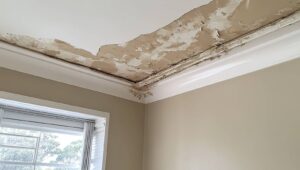
Have you ever wondered why some water damage claims get approved while others don’t? Steering through the complexities of insurance claims can be intimidating, especially when dealing with the aftermath of water damage. Understanding the nuances of your policy and following a structured approach can make a significant difference. By implementing effective strategies, you can enhance your chances of a successful outcome. Let’s explore the essential tips to ensure your claim is handled efficiently.
Key Takeaways
- Review your insurance policy thoroughly to understand coverage limits, exclusions, and specific requirements for water damage claims.
- Document all damage with detailed photographs and maintain a timeline of events leading to the claim submission.
- Promptly notify your insurance company about the water damage to initiate the claims process without delays.
- Keep records of all communications and follow up regularly to ensure your claim is being processed efficiently.
- Consider hiring a public adjuster if needed to help navigate the claims process and improve your chances of a successful outcome.
Understand Your Policy Coverage
Understanding your policy coverage is essential when dealing with water damage insurance claims. You need to familiarize yourself with your policy’s coverage limits and what’s included. Often, policies have specific exclusions that can catch you off guard.
For instance, damage from flooding may not be covered under a standard homeowners policy, so you might need separate flood insurance. By knowing these exclusions, you can avoid surprises during the claims process.
Additionally, be aware of your coverage limits, which dictate the maximum amount your insurer will pay for a claim. If your water damage exceeds these limits, you’ll be responsible for the difference.
Reviewing your policy documents and asking questions can help clarify your coverage. This understanding empowers you to file a claim more effectively and brings peace of mind, knowing you’re aware of both the protections and limitations of your insurance.
Document the Damage Thoroughly
To support your water damage insurance claim, you need to document the damage thoroughly.
Start by taking detailed photos of the affected areas, as these visual records will clearly illustrate the extent of the damage.
Additionally, keep all repair receipts to provide evidence of the costs incurred, reinforcing your claim with concrete financial data.
Take Detailed Photos
Taking detailed photos of the damage is essential when filing a water damage insurance claim. High photo quality is vital; blurry or poorly lit images can undermine your claim.
Use natural light whenever possible, and avoid flash, which can create glare. Capture wide shots to showcase the overall damage, then take close-ups of specific areas, like water stains or structural issues.
Include timestamps on your photos as they help establish the timeline of the damage. Consider using a tripod for stability, ensuring sharp images.
Following these photography tips will help you document your loss effectively and strengthen your position with the insurance company. Clear, thorough visuals can make a significant difference in the approval process.
Keep Repair Receipts
Repair receipts serve as critical evidence when documenting water damage for your insurance claim. They provide essential repair documentation that validates your expenses and supports your case.
As you navigate the claims process, make sure to keep all receipts organized and accessible. This aids accurate expense tracking and strengthens your position with the insurance company. Include details like dates, descriptions of services, and costs incurred.
By maintaining thorough records, you demonstrate responsible management of your situation, fostering trust with your insurer. Remember, the more extensive your documentation, the smoother your claims process will be.
Staying diligent about your receipts can greatly impact the outcome of your claim, helping you recover more effectively from water damage.
Mitigate Further Damage Immediately
To mitigate further damage after water intrusion, start by shutting off the water supply to prevent additional leaks.
Once the source is stopped, document the damage thoroughly to support your insurance claim.
This immediate action helps protect your property and strengthens your case with the insurer.
Shut Off Water Supply
Shutting off the water supply is essential for minimizing damage immediately after a leak or flood.
To effectively manage this situation, familiarize yourself with various water shutoff techniques, such as locating the main shutoff valve, which is often found near the water meter. Knowing how to operate these valves can greatly reduce the extent of water damage.
In addition to acting quickly, being prepared for emergencies is vital; create a plan that includes identifying shutoff locations throughout your home.
Regularly check and maintain your plumbing systems to prevent future issues.
Document Damage Thoroughly
Documenting damage thoroughly is essential when dealing with water-related incidents, as it lays the foundation for a successful insurance claim.
You’ll want to start your claim documentation immediately to ensure a complete loss assessment.
Consider the following steps:
Take clear photos of all affected areas, capturing the extent of damage.
Keep a detailed list of damaged items, including their age and purchase value.
Record any repairs made to mitigate further damage, noting the date and cost.
Gather all relevant documents, such as previous insurance policies or inspection reports.
Notify Your Insurance Company Promptly
As soon as you discover water damage, notifying your insurance company is essential to ensuring a smooth claims process. Prompt reporting of the incident allows your insurer to initiate a claim notification and assign an adjuster to assess the damage.
The sooner you reach out, the better your chances of a timely response and resolving your claim efficiently. Delaying notification can complicate your claim and may even lead to denial, as insurers often require prompt reporting to validate claims.
When you contact your insurance company, provide detailed information about the damage, including when it occurred and the extent of the issue. This proactive approach demonstrates your commitment to the claims process and reinforces your position as a responsible policyholder.
Keep Receipts and Records of Expenses
Maintaining thorough records of your expenses is crucial when filing a water damage insurance claim. Good receipts organization and diligent expense tracking can greatly bolster your case.
Keep all relevant documents in one place to streamline the process and make sure you’re not missing anything essential.
- Document repairs and replacements, including receipts for materials and labor.
- Keep a log of temporary accommodations, such as hotel stays, if applicable.
- Record any additional living expenses incurred due to the damage.
- Retain invoices for cleaning services or professional assessments.
Work With a Professional Adjuster
When you’re ready to file your water damage insurance claim, enlisting the help of a professional adjuster can greatly enhance your chances of a successful outcome.
These experts bring professional expertise that can navigate the complexities of insurance claims effectively. Their responsibilities include evaluating the damage, documenting the necessary details, and negotiating with your insurance company on your behalf.
With a trained eye, a professional adjuster can identify all covered damages you might overlook, ensuring you receive fair compensation. They understand the intricacies of policy language and can advocate for your best interests.
By collaborating with an adjuster, you gain valuable insights and free yourself from the stress of the claims process. This partnership fosters a sense of belonging as you align with someone who understands your needs and the insurance landscape.
Ultimately, their guidance can greatly streamline your claim and improve your chances of a favorable resolution.
Follow Up Regularly on Your Claim Status
While you may feel anxious about the outcome of your water damage insurance claim, it’s important to stay proactive by following up regularly on its status.
Regular claim follow-up keeps you informed and shows your insurer that you’re serious about your claim.
Here are some effective communication tips to keep in mind:
- Set a Schedule: Decide how often you’ll reach out—weekly or biweekly works well.
- Be Prepared: Have your claim number and all relevant documentation ready when you call.
- Document Conversations: Take notes during interactions, including dates, times, and the names of representatives.
- Stay Polite but Firm: Maintain a respectful tone while clearly expressing your need for updates.
Frequently Asked Questions
What Types of Water Damage Are Typically Covered by Insurance?
Most insurance policies cover water damage from plumbing issues like burst pipes, but flood damage usually requires separate coverage. It’s crucial to review your policy closely to understand what’s specifically included and excluded.
How Long Do I Have to File a Water Damage Claim?
You typically have one to two years to file a claim, depending on your policy. Keep track of the claims timeline and adhere to filing deadlines to ensure you don’t lose your coverage.
Can I Choose My Own Contractors for Repairs?
You can choose your own contractors for repairs, but check your policy. Sometimes, insurers limit contractor selection to control repair costs. Always review the fine print to ensure you’re making the best choice for your needs.
Will My Insurance Rates Increase After Filing a Claim?
Yes, your insurance rates might increase after filing a claim, especially if you have a history of claims. Frequent claims can lead to higher insurance premiums, reflecting the increased risk your insurer perceives.
What if My Claim Gets Denied?
If your claim gets denied, you can start the claim appeal process. Review the denial reasons carefully, gather supporting documents, and present a strong case. Persistence can lead to a favorable outcome in many situations.
Wrap-Up
Filing a water damage claim might feel like a flood of paperwork, but ironically, it’s your chance to swim rather than sink. By understanding your policy, documenting damage, and acting promptly, you can navigate the turbulent waters of insurance claims. Staying organized and proactive won’t just keep you afloat; it may even lead to a favorable outcome. After all, in the deluge of disaster, the real lesson is that preparation is your best life raft.