Cleaning up after a sewage backup can feel like traversing a dark labyrinth. It’s essential to approach this task methodically to ensure both safety and thoroughness. From evaluating the damage to monitoring for mold growth, each step plays a significant role in restoring your space. Understanding these steps will protect your health and safeguard your property. So, how do you effectively tackle each phase of this challenging process?
Key Takeaways
- Assess and document damage by identifying affected areas, capturing photos, and checking for moisture and contamination signs.
- Prioritize safety by wearing protective gear, turning off electricity, and ventilating the space before cleanup.
- Shut down the main water supply and electricity to create a safer environment for addressing sewage backup.
- Remove water using a submersible pump or wet/dry vacuum, then scrub surfaces with an appropriate disinfectant.
- Thoroughly dry the area with fans and dehumidifiers, monitoring for mold growth and ensuring moisture levels are controlled.
Assess the Damage
When dealing with a sewage backup, the first step is to thoroughly assess the damage.
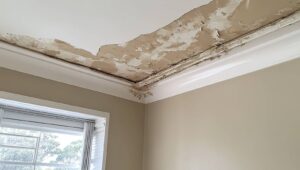
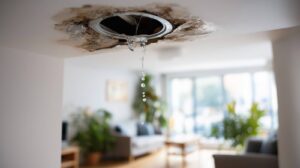
Start by identifying affected areas, noting any visible signs of contamination. This damage assessment helps you understand the extent of the issue, guiding your next steps. Pay close attention to flooring, walls, and any porous materials, as these can absorb harmful bacteria and odors.
Next, conduct a contamination evaluation.
This involves checking for sewage presence and determining the level of risk. If you spot dark stains or an unpleasant smell, it’s a strong indicator that sewage has infiltrated your space. Document your findings with notes or photos, as this information will be essential for cleanup and potential insurance claims.
Prioritize Safety
Prioritizing safety is essential in sewage backup situations, as exposure to contaminated water can pose serious health risks. You should always adhere to established safety protocols before starting any cleanup process.
First, verify that you’re wearing appropriate protective gear, including gloves, masks, and waterproof boots. This minimizes direct contact with hazardous materials.
Next, turn off electricity in affected areas to prevent electrocution. If you’re unsure, consult a professional before proceeding.
Additionally, remember to ventilate the space to improve air quality and reduce odor, as stagnant air can exacerbate health risks.
If the situation feels overwhelming, don’t hesitate to call in professionals who specialize in sewage cleanup. They’re equipped to handle these hazardous environments safely.
Gather Necessary Supplies
To effectively tackle a sewage backup, you need to gather essential cleaning equipment and protective gear.
Make sure you have items such as heavy-duty gloves, face masks, and disinfectants on hand to ensure your safety throughout the process.
Understanding the necessary supplies will streamline your cleanup and minimize health risks.
Essential Cleaning Equipment
Tackling a sewage backup requires the right tools to ensure a thorough and safe cleanup. You’ll need a heavy-duty wet/dry vacuum to effectively remove wastewater, along with a mop and bucket for final cleaning.
Make certain you have disinfectants and enzymes to eliminate harmful bacteria. A sturdy shovel can help with removing solid waste, while rubber gloves, masks, and goggles protect you during the process.
Don’t forget about cleaning techniques; using the correct methods can make a difference in your results. After use, prioritize equipment maintenance by cleaning and disinfecting your tools to prevent contamination.
Being well-equipped aids cleanup and fosters a sense of community support as you tackle this challenging task together.
Protective Gear Requirements
When dealing with a sewage backup, having the right protective gear is essential for your safety and well-being.
Start by wearing waterproof gloves to prevent skin contact with contaminated materials. A mask or respirator is vital, as it helps filter out harmful airborne pathogens. You should also wear goggles to protect your eyes from splashes and debris.
A full-body suit or coveralls can provide an additional layer of protection against contaminants. Sturdy, waterproof boots are important too, as they keep you safe from exposure while maneuvering through the affected area.
Following these cleanup protocols will safeguard your health and help you feel more secure and prepared as you tackle this challenging task.
Shut Off Water and Electricity
Before you begin the cleanup process, it’s crucial to shut off the water and electricity in your home. This step protects both your safety and the integrity of your property.
First, locate the main water supply valve and turn it off to prevent any additional flooding. This action helps mitigate further damage and keeps you safe from contaminated water.
Next, ensure electrical safety by turning off the main circuit breaker. Water and electricity don’t mix, and working in a flooded area poses serious risks of electrocution.
Make sure you wear protective gear while performing this task to shield yourself from potential hazards.
Once you’ve secured the water and electricity, you can focus on the cleanup without worrying about additional dangers. Taking these precautions creates a safer environment, allowing you to effectively tackle the aftermath of a sewage backup while fostering a sense of community and support among those who may help.
Remove Standing Water
Removing standing water is an essential step in the sewage backup cleanup process. If left untreated, this water can lead to serious damage and health risks.
Start by evaluating the extent of the water accumulation, and gather the necessary tools for effective standing water removal. Use a submersible pump or wet/dry vacuum, as these water extraction techniques are designed specifically for this purpose. Make sure to wear protective gear, including gloves and boots, to safeguard yourself against contaminants.
Begin by carefully extracting the water, working from the area farthest from the exit to avoid trapping yourself in a flooded space. Once you’ve removed the majority of the water, use mops and towels to soak up any remaining moisture.
This thorough approach helps in the immediate cleanup and prepares your space for further restoration efforts. Remember, timely action is vital in minimizing damage and ensuring safety.
Dispose of Contaminated Materials
After you’ve removed standing water, the next step is to identify contaminated items within your space.
This includes anything that absorbed sewage, such as carpets, upholstery, and some types of drywall.
Once identified, it’s essential to follow safe disposal methods to prevent health risks and further contamination.
Identify Contaminated Items
Identifying contaminated items is essential in sewage backup cleanup, as exposure to hazardous materials can pose serious health risks.
You need to employ effective identification techniques to determine which materials are unsafe. Start by examining items that came into contact with sewage.
Consider disposing of:
Upholstered furniture: These items can absorb contaminants and are difficult to clean thoroughly.
Carpets and rugs: If they’re soaked, it’s often best to replace them to avoid lingering odors and health hazards.
Paper products: Items like books, magazines, and documents may be irreparably damaged and should be discarded.
Safe Disposal Methods
When dealing with contaminated materials from a sewage backup, it’s essential to understand safe disposal methods to minimize health risks.
First, wear protective gear, including gloves and masks, to safeguard yourself. For solid waste, double-bag the items in heavy-duty plastic bags and seal them tightly.
Check your local regulations for disposal guidelines, as many communities offer resources for hazardous waste. You can also contact community resources for bulk pickups or drop-off locations.
Remember, burning or dumping materials improperly can lead to further contamination.
Finally, consider preventative measures for the future, such as regular maintenance and inspections. By following these steps, you contribute to a safer environment for yourself and your community.
Clean and Disinfect Affected Areas
To effectively clean and disinfect the affected areas after a sewage backup, you must first gather the necessary supplies, including gloves, masks, and appropriate cleaning solutions.
Once you’re ready, use effective disinfection techniques to ensure safety and hygiene.
Start by following these steps:
Remove contaminated materials: Discard any porous items like carpets or upholstery that can’t be cleaned properly.
Clean surfaces: Use a mixture of water and a suitable cleaning solution to scrub hard surfaces thoroughly.
Apply disinfectant: Choose a disinfectant approved for sewage cleanup and apply it generously, allowing it to sit for the recommended contact time.
After completing these steps, you’ll have taken significant action toward restoring safety and cleanliness in your space.
Dry the Area Thoroughly
Once you’ve cleaned and disinfected the affected areas, it’s essential to dry the space thoroughly to prevent further damage.
Start by evaluating the extent of the water damage before using fans and dehumidifiers to expedite the drying process.
Additionally, keep an eye out for mold growth, as it can develop quickly in damp conditions.
Assess Water Damage Extent
Evaluating the extent of water damage is essential for effective cleanup after a sewage backup, as it directly influences the drying process and subsequent restoration efforts.
A thorough water damage assessment will help you determine the severity and areas affected. Use the following damage evaluation techniques:
- Inspect walls, floors, and ceilings for discoloration and warping.
- Check for hidden moisture in insulation and behind appliances.
- Utilize moisture meters to get precise readings.
Use Fans and Dehumidifiers
After evaluating the extent of water damage, it’s time to focus on drying the affected areas thoroughly.
Start by strategically placing fans around the room to enhance air circulation. Position them to blow air across wet surfaces, maximizing evaporation. Aim for a fan placement that covers all corners, ensuring no damp spots are overlooked.
Next, set your dehumidifier to an ideal level—usually between 30-60% humidity. This setting helps remove moisture from the air without making the space too dry.
Run both the fans and the dehumidifier continuously until you’re confident the area is completely dry. Regularly monitor the humidity levels and adjust the dehumidifier settings as necessary.
Thorough drying is essential to prevent further complications down the line.
Check for Mold Growth
While you’ve taken steps to dry the area thoroughly, it’s vital to check for mold growth, as lingering moisture can create an ideal environment for its development.
Mold types vary, and identifying them early can help you implement effective mold prevention strategies. Start by visually inspecting areas that may have retained moisture, such as:
- Behind walls or under carpets
- In corners or crevices
- Around plumbing fixtures
If you spot any mold, act quickly to remediate it.
Consider using mold-resistant products during repairs and facilitate proper ventilation to minimize future risks.
Regularly monitoring these areas will contribute to a healthier living environment, fostering a sense of belonging and safety in your home.
Don’t underestimate the importance of vigilance in mold prevention.
Check for Mold Growth
Since sewage backups create a damp environment, it’s important to check for mold growth as soon as you begin cleanup. Mold can develop rapidly, often within 24 to 48 hours, so acting quickly is vital.
Start by inspecting areas that were affected by the sewage, focusing on hidden spots like behind walls or beneath carpets. If you notice any discoloration or a musty smell, consider conducting mold testing to determine the type and extent of contamination.
Incorporate prevention strategies as you proceed. Ensure proper ventilation in the affected areas and use dehumidifiers to reduce moisture levels.
If you find significant mold growth, it’s wise to consult professionals who can manage the situation safely. Remember, addressing mold protects your health and helps maintain a safe, welcoming environment for everyone in your home.
Repair and Restore Affected Structures
Once you’ve addressed mold growth, it’s essential to focus on repairing and restoring the structures affected by the sewage backup.
This process ensures the structural integrity of your home and helps you regain a sense of normalcy.
Here are some key steps to take into account:
Assess Damage: Inspect walls, flooring, and foundations for any signs of deterioration.
Choose Renovation Options: Decide between repairing or replacing damaged materials based on the extent of the damage.
Engage Professionals: If necessary, consult with contractors specializing in water damage restoration to ensure quality work.
Frequently Asked Questions
How Can I Prevent Future Sewage Backups?
To prevent future sewage backups, prioritize preventative maintenance and schedule regular plumbing inspections. By addressing potential issues early, you’ll ensure your system remains efficient, reduce the risk of costly backups, and foster a healthier home environment.
Is Sewage Backup Covered by Homeowners Insurance?
If you experience a sewage backup after heavy rains, your homeowners’ policy might cover the damage, but it often depends on your specific plan. Check your policy details and consult your insurer about potential insurance claims.
What Are the Health Risks of Sewage Exposure?
Sewage exposure poses serious health risks due to sewage pathogens, which can cause infections and diseases. You must implement proper sanitation measures to protect yourself and others from potential contamination and long-term health issues.
Should I Hire Professionals for Sewage Cleanup?
Yes, you should hire professionals for sewage cleanup. They ensure safety and thoroughness, minimizing health risks. While cleanup costs may seem high, investing in expert services protects your home and well-being in the long run.
How Long Does It Take to Fully Clean and Restore?
Cleanup duration can vary considerably; it often takes 3 to 7 days to fully restore affected areas. Factors like severity and size impact the restoration timeline, so assess your situation to determine the best approach.
Summary
In the world of cleanup, “an ounce of prevention is worth a pound of cure.” By following these steps for sewage backup cleanup, you ensure a safer environment and mitigate long-term damage. Assess the situation, prioritize safety, and tackle the cleanup systematically. Remember, thoroughness is key to preventing mold growth and restoring your space. Take the time to do it right, and your efforts will pay off in the long run.