When faced with a toilet overflow, your immediate response can prevent further damage and health risks. Start by evaluating the area to identify hazards, then quickly turn off the water supply. Proper protective gear is essential to guard against contaminants. As you work through the cleanup process, knowing the right steps can make all the difference. Let’s explore the vital tips that will guide you through this urgent situation effectively.
Key Takeaways
- Quickly assess the overflow area for pooling water and potential hazards, documenting any damage for insurance claims.
- Turn off the water supply by locating and shutting the valve, typically found behind the toilet.
- Wear protective gear, including gloves and a mask, to safeguard against contaminants during cleanup.
- Use absorbent towels to soak up excess water, replacing saturated ones as needed for maximum absorption.
- Call a professional for thorough cleanup and restoration to prevent future damage and ensure safety.
Assess the Situation Quickly
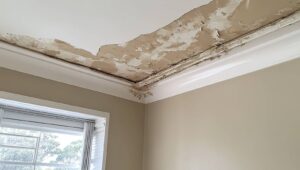
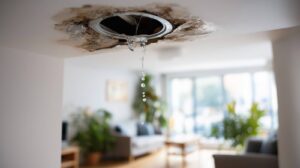
When facing a toilet overflow, it’s vital to assess the situation quickly to minimize damage and health risks. Start by evaluating the extent of the overflow. Look for pooling water on the floor and check surrounding areas for any signs of water damage.
It’s important to identify how long the water’s been present, as this can affect the level of risk involved.
Next, evaluate risks associated with the overflow. Contaminated water can pose significant health threats, especially if it’s sewage-related. Make a mental note of any items that may be damaged or hazardous, such as electrical outlets or appliances in proximity to the water.
Documenting the damage can be helpful for insurance claims later. Remember, acting swiftly protects your home and ensures the safety of everyone involved.
This initial assessment allows you to strategize your next steps effectively.
Turn Off the Water Supply
To prevent further flooding and potential damage, you should immediately turn off the water supply to the toilet.
Locate the shutoff valve, usually found on the wall behind the toilet or beneath the tank. Turning this valve clockwise will stop the flow of water, effectively initiating an emergency shutoff.
If you’re unsure where this valve is, here are some tips to help you:
- Identify the Valve: Look for a round or oval-shaped knob.
- Turn It Off: Rotate it clockwise until it stops.
- Check for Leaks: Verify there are no leaks from the valve.
- Keep it Accessible: Make certain the shutoff is easy to reach for future emergencies.
- Test Regularly: Periodically check the valve’s functionality.
Protect Yourself With Proper Gear
When cleaning up an overflowed toilet, wearing the right protective gear is vital for your safety.
Essential protective equipment includes gloves, masks, and waterproof boots to shield you from contaminants.
Always prioritize safety first by ensuring you’re properly equipped before starting the cleanup process.
Essential Protective Equipment
Proper protective equipment is essential when tackling the messy and hazardous task of cleaning up an overflowing toilet.
Having the right gear keeps you safe and boosts your confidence in handling the situation effectively.
Here are five items you should have on hand:
- Protective gloves: Prevent direct contact with contaminants.
- Waterproof boots: Keep your feet dry and protected from spills.
- Face mask: Shield yourself from odors and potential pathogens.
- Goggles: Protect your eyes from splashes and debris.
- Trash bags: Safely dispose of contaminated materials.
Investing in these essential items ensures you can clean up efficiently while minimizing health risks.
Safety First Guidelines
While cleaning up an overflowing toilet may seem intimidating, following safety first guidelines ensures you protect yourself effectively.
Start by ensuring your emergency readiness; gather the right gear, including gloves, masks, and waterproof boots. These essentials act as your first line of defense against harmful bacteria and contaminants.
Implement safety protocols by sealing off the affected area to prevent further exposure and alert others to the hazard. If the overflow includes sewage, consider using a face shield for additional protection.
Remember to avoid direct contact with the waste and dispose of contaminated materials safely.
Contain the Overflow With Towels
To effectively contain the overflow from a toilet, grab some absorbent towels or rags immediately. Quick towel placement is essential for effective overflow containment.
Follow these steps to minimize damage:
- Identify the source of the overflow to prevent further issues.
- Lay towels around the affected area to absorb spills.
- Use multiple layers of towels for maximum absorption.
- Press down on the towels to soak up as much liquid as possible.
- Replace saturated towels with dry ones to maintain effectiveness.
Remove Any Standing Water
Act quickly to remove any standing water, as it can lead to further damage and promote mold growth.
Start by using a wet vacuum or a mop to extract as much water as possible. If you’re dealing with a significant amount of standing water, a professional-grade pump may be necessary for efficient standing water removal. After vacuuming, use absorbent towels to soak up any remaining moisture.
Ensure you wear appropriate protective gear, like gloves and boots, to keep yourself safe from contaminants.
Pay close attention to corners and hidden areas where water can accumulate, as these spots are often overlooked.
Once you’ve completed the standing water removal, assess the area for any signs of water damage, as early detection is vital for water damage prevention.
Taking these steps promptly will help you mitigate risks and maintain a safe living environment.
Disinfect the Affected Area
After removing any standing water, the next step involves disinfecting the affected area to eliminate harmful bacteria and pathogens. This essential process ensures your space remains safe for everyone.
Focus on disinfecting surfaces and sanitizing materials thoroughly to prevent health risks. Here’s how to do it effectively:
- Use a commercial-grade disinfectant approved for toilets.
- Wear gloves and a mask to protect yourself from contaminants.
- Apply disinfectant generously to all affected surfaces, including floors and walls.
- Allow the solution to sit for the recommended time to maximize effectiveness.
- Rinse surfaces with clean water and dry them properly.
Check for Damage to Surrounding Fixtures
Once you’ve disinfected the area, it’s crucial to check for damage to surrounding fixtures, as water overflow can lead to significant structural issues.
Begin your damage assessment by carefully inspecting the flooring, walls, and any nearby cabinetry. Look for signs of warping, discoloration, or mold growth, which could indicate prolonged water exposure.
Next, conduct a fixture inspection on elements like sinks, toilets, and bathtubs. Verify that seals and joints are intact, as compromised seals may result in leaks. Pay attention to any rust or corrosion on metal fixtures, which can be exacerbated by moisture.
If you notice any damage, document it for future reference or for insurance claims. Addressing these issues promptly can prevent further complications and ensure a safe, functional space.
Use a Wet/Dry Vacuum for Cleanup
Having assessed the damage to surrounding fixtures, it’s time to tackle the cleanup process effectively. A wet/dry vacuum is your best friend in this situation. It allows you to quickly and efficiently remove excess water and waste without spreading contaminants.
Here are essential tips for using your wet/dry vacuum:
Prepare the Vacuum: Confirm it’s suitable for liquids and check for any necessary attachments.
Safety First: Wear gloves and a mask to protect yourself from harmful bacteria.
Vacuum Maintenance: Regularly clean the vacuum’s filter and tank after use to ensure peak performance.
Inspect for Leaks: Check hoses and connections for any damage before starting.
Disinfect After Use: Clean the vacuum thoroughly to prevent odors and mold growth.
Dispose of Contaminated Materials Safely
Proper disposal of contaminated materials is essential to prevent health risks and further contamination. When dealing with an overflow, any items that come into contact with waste—like rugs, towels, or even gloves—must be treated as hazardous waste.
Don’t simply toss them in your regular trash. Instead, seal them in heavy-duty plastic bags. Make certain the bags are leak-proof to minimize exposure.
Once you’ve collected the materials, check local regulations regarding proper disposal procedures for hazardous waste. Many communities have designated facilities for this purpose.
If you’re unsure, contact your local waste management authority for guidance. They can provide specific instructions and may even have drop-off events for hazardous materials.
Taking these steps protects your health and ensures your community remains safe from contamination. By disposing of contaminated materials properly, you’re contributing to a healthier environment for everyone.
Call a Professional for Thorough Restoration
When you face a toilet overflow, calling a professional ensures you receive expert cleanup and restoration services.
Their specialized knowledge helps prevent future damage by addressing underlying issues that may not be visible.
Relying on their experience can save you time and money in the long run.
Expertise in Cleanup
Although you might be tempted to handle a toilet overflow yourself, calling a professional for detailed restoration is often the best approach.
Professionals possess the expertise in cleanup techniques and emergency preparedness that can make a significant difference in the outcome of the situation. They ensure your home is safe and sanitary, preventing further damage.
- Advanced equipment for efficient water extraction
- Extensive mold remediation strategies
- Knowledge of local health regulations
- Expertise in identifying hidden damage
- Timely service to minimize disruption
Prevent Future Damage
To prevent future damage after a toilet overflow, hiring a professional for thorough restoration is vital. A trained expert can assess the extent of the damage, ensuring that all affected areas are properly cleaned and restored.
They’ll also identify underlying issues that might’ve contributed to the overflow, such as faulty plumbing or inadequate drainage.
In addition to immediate restoration, investing in preventive maintenance is important. Schedule regular plumbing inspections to catch potential problems early.
This proactive approach safeguards your home and fosters peace of mind. By ensuring your plumbing system is in top shape, you greatly reduce the risk of future overflows and their associated damage.
Trust the professionals to keep your home safe and comfortable.
Frequently Asked Questions
What Should I Do if the Overflow Is Sewage-Related?
If you face sewage overflow, prioritize safety. Wear protective gear, avoid direct contact, and ventilate the area. Call professionals for sewage cleanup to mitigate health risks effectively. Don’t underestimate the dangers involved in handling sewage.
How Can I Prevent Future Toilet Overflows?
To prevent future toilet overflows, ensure regular plumbing inspections, as many plumbing issues stem from neglected maintenance. You should also check for clogs and address any leaks promptly to maintain ideal toilet functionality.
Is It Safe to Use Bleach for Disinfection?
Using bleach for disinfection’s effective, but it’s harsh. Consider bleach alternatives like hydrogen peroxide or vinegar, which provide safe disinfection methods without strong fumes, keeping your environment healthier while still ensuring cleanliness.
What Types of Protective Gear Are Recommended?
When tackling a cleanup, you need durable gloves to shield your hands and a mask to guard against unpleasant odors and airborne particles. Together, they create a barrier, ensuring your safety and comfort during the task.
How Long Should I Wait Before Using the Toilet Again?
You should wait at least 30 minutes after addressing overflow causes to ensure proper toilet repair. This allows any residual water to settle, preventing further issues and ensuring your toilet’s functionality is restored effectively.
Recap
In the aftermath of a toilet overflow, remember that swift action is your best ally. By following these essential steps, you can navigate the chaos with confidence. Like a seasoned captain steering through a storm, your preparedness can prevent further damage and safeguard your home. Don’t hesitate to reach out to professionals when needed, ensuring a thorough restoration of your space. With the right approach, you can turn a disaster into a manageable challenge, restoring peace to your bathroom sanctuary.