Toilet overflows can cause significant damage if not addressed promptly and correctly. Many people underestimate the importance of immediate action and proper cleanup techniques. It’s vital to know how to assess the situation, gather the right supplies, and manage contaminated water safely. Following effective cleaning methods can minimize health risks and prevent future incidents. Let’s explore essential steps to ensure your home stays safe and dry after an overflow.
Key Takeaways
- Identify the source of the overflow and turn off the water supply to prevent further flooding.
- Wear protective gear, such as gloves and boots, to safeguard against contaminants.
- Use a wet/dry vacuum to remove excess water and minimize damage to surrounding areas.
- Clean and disinfect all affected surfaces with soap, water, and a strong disinfectant.
- Commit to regular maintenance and educate household members to prevent future incidents.
Assessing the Situation
When faced with a toilet overflow, it’s essential to assess the situation quickly to minimize damage and secure safety. Start by identifying sources of the overflow. Check if it’s a simple clog or if there’s a more significant plumbing issue at play. Look for any visible leaks, cracks, or signs of water pooling around the toilet base.
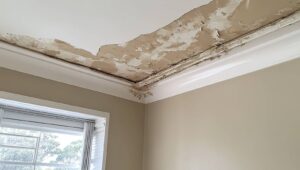
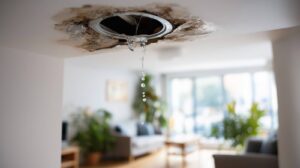
Next, evaluate damage to the surrounding area. Inspect the floor, walls, and nearby fixtures for moisture or deterioration. Pay attention to carpets and baseboards, as these can absorb water and lead to mold growth if not addressed promptly.
Taking immediate action can prevent further complications. Document your findings, as this information will be useful when addressing repairs or contacting professionals.
Gathering Necessary Supplies
To effectively tackle a toilet overflow, gather essential supplies to ensure a thorough cleanup. First, you’ll need basic plumbing tools like a plunger and a toilet auger to address any blockages. These tools will help you restore normal function to your toilet.
Next, collect cleaning solutions that are effective for sanitizing and disinfecting. Look for a strong disinfectant that can handle potential contaminants, as well as absorbent towels or mops for quick cleanup. It’s also wise to have rubber gloves on hand to protect your skin while working.
Consider using a wet/dry vacuum for large spills, as it can make the job easier and more efficient. A bucket can also be handy for disposing of excess water or soiled materials.
Safely Managing Contaminated Water
After gathering your supplies, managing the contaminated water is the next step. First, identify the source of the overflow to prevent further contamination. If it’s safe, turn off the water supply to the toilet.
Next, wear protective gear, including gloves and boots, to minimize health risks. Use a wet/dry vacuum to remove as much contaminated water as possible. Dispose of the water according to local regulations, as it may pose serious health risks to you and your family.
If the contaminated water contains waste, make sure you avoid direct contact. You may want to isolate the affected area to keep others safe.
After the majority is removed, absorb any remaining water with towels or a mop. Remember, the goal is to limit exposure to harmful bacteria and pathogens often present in contaminated water. Proper management now will help protect your health and maintain a safe environment.
Cleaning and Disinfecting Affected Areas
Cleaning and disinfecting affected areas is essential for preventing health risks after a toilet overflow. Start by following proper cleaning protocols to ensure thorough sanitation.
First, use gloves and a mask to protect yourself. Remove any visible debris and excess water, then clean surfaces with soap and water. After that, apply a suitable disinfectant to all affected surfaces, making sure to follow the manufacturer’s instructions for dwell time.
Focus on high-touch areas like doorknobs, light switches, and bathroom fixtures. Don’t forget to disinfect floors and walls, as they can harbor harmful bacteria.
If you’re using a spray disinfectant, make sure it covers the entire surface and let it sit for the recommended time before wiping it off. Finally, dispose of cleaning materials safely and wash your hands thoroughly once you’re done.
This meticulous approach restores cleanliness and fosters a safe environment for everyone.
Preventative Measures for Future Incidents
Maintaining a clean and disinfected bathroom is just the first step in preventing future toilet overflow incidents. To ensure your toilet operates smoothly, commit to regular maintenance. This includes checking for clogs, inspecting the flapper valve, and verifying that the fill valve functions correctly.
Don’t underestimate the importance of timely repairs; even minor issues can escalate into major problems.
Consider investing in toilet upgrades such as low-flow models or smart toilets that offer better efficiency and clog resistance. These modern features can greatly reduce the risk of overflows.
Additionally, educate everyone in your household on proper toilet use, emphasizing what should and shouldn’t be flushed.
Regularly cleaning the toilet tank and bowl will also help you identify issues early. By staying proactive, you create a safer, more functional bathroom environment for everyone, minimizing the chances of future overflow incidents.
Frequently Asked Questions
What Should I Do if the Overflow Is Severe?
If the overflow’s severe, initiate emergency response immediately. Shut off the water supply to prevent further water damage. Remove any valuables, then contact a professional to assess and mitigate the situation effectively.
Can I Use Bleach to Clean Contaminated Water?
Using bleach on contaminated water isn’t advisable; it can create dangerous fumes. Instead, prioritize safety by using appropriate disinfectants. Always ensure proper ventilation and follow guidelines to protect yourself and your environment from harmful effects.
How Can I Protect My Belongings During an Overflow?
To protect your belongings during an overflow, use waterproof storage for valuables and elevate furniture off the floor. This minimizes damage risk and keeps your items safe from water exposure. Be proactive in safeguarding your possessions.
Is Professional Help Necessary for Toilet Overflow Cleanup?
When a toilet overflow strikes, isn’t it wise to call in the experts? While DIY might work for minor issues, plumbing services ensure thorough cleanup and prevent future problems, protecting your belongings from extensive damage.
How Can I Prevent Mold After a Toilet Overflow?
To prevent mold after a toilet overflow, focus on moisture control. Quickly dry affected areas, use dehumidifiers, and ensure proper ventilation. Regularly inspect for leaks and maintain low humidity levels to discourage mold growth.
Summary
In the aftermath of a toilet overflow, taking swift action can turn a messy situation into a manageable cleanup. By evaluating the damage, gathering supplies, and safely handling contaminated water, you can restore your space to its former glory. Remember, prevention is the best medicine; regular maintenance and education can keep future overflows at bay. With these tips in mind, you’ll be ready to tackle any plumbing hiccup, turning chaos into calm with confidence.