Black water isn’t just dirty water; it contains harmful pathogens and contaminants that can pose serious health risks. Recognizing the signs of black water mold damage is vital for your safety and the safety of others. Quick action is essential to mitigate these risks. In the following sections, you’ll learn effective steps for remediation and the safety precautions necessary to protect yourself and your environment.
Key Takeaways
- Immediately contact a certified mold remediation professional to address black water damage 24/7 for timely intervention and safety.
- Wear personal protective equipment (PPE) to prevent exposure to harmful pathogens and toxins during the remediation process.
- Establish containment zones using plastic sheeting to prevent mold spores from spreading to unaffected areas.
- Remove and dispose of contaminated materials, such as drywall and carpeting, in sealed bags to limit health risks.
- Utilize EPA-approved biocides for disinfecting surfaces and monitor humidity levels to prevent future mold growth.
Understanding Black Water and Its Dangers
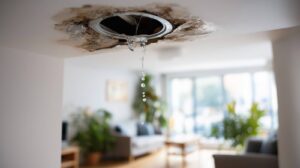
When dealing with water damage, it’s vital to understand that black water poses significant health risks. This type of water originates from sources like sewage backups, flooding from rivers, or water that contains harmful chemicals.
Exposure to black water can lead to serious health issues, including infections, gastrointestinal diseases, and respiratory problems. If you’re faced with black water, it’s imperative to avoid contact and seek professional help immediately.
The pathogens and toxins present in black water can affect anyone, particularly those with weakened immune systems, children, and the elderly. Understanding black water sources and their associated health risks empowers you to take swift action in protecting yourself and your loved ones.
Signs of Black Water Damage
Identifying signs of black water damage early can prevent further health risks and property deterioration.
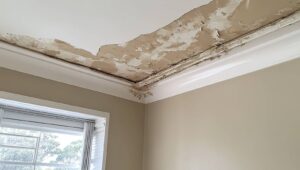
Look for discoloration on walls or ceilings, which often indicates moisture intrusion. Unpleasant odors in your home may suggest the presence of black water or mold. Pay attention to any musty smells, as they can signal mold symptoms, including respiratory issues or allergies.
Check for visible mold growth, particularly in damp areas like basements or bathrooms. If you notice bubbling or peeling paint, it’s a strong indication of underlying moisture problems.
Additionally, if your home has experienced flooding or sewage backups, the risk of black water damage is heightened.
Steps for Effective Black Water Mold Remediation
To effectively remediate black water mold, you must first confirm your safety by wearing appropriate personal protective equipment (PPE), including gloves, goggles, and masks.
Next, establish mold containment by sealing off the affected area to prevent spores from spreading. Use plastic sheeting to cover doorways and vents, confirming a controlled environment for remediation.
Once contained, remove any contaminated materials, including drywall and carpeting. Dispose of these items in sealed bags to minimize exposure.
After removal, apply sanitation strategies, such as using EPA-approved biocides, to disinfect surfaces. Confirm proper ventilation during this process to avoid inhaling harmful fumes.
Finally, monitor humidity levels and repair any leaks to prevent future mold growth.
Safety Precautions During Remediation
Ensuring safety during the remediation process is paramount to protect yourself and others from health risks associated with black water mold. By following essential safety precautions, you minimize exposure and promote a safer environment. Here’s what you should do:
- Wear Protective Gear: Always don appropriate protective gear, including gloves, masks, and goggles, to shield yourself from harmful spores and contaminants.
- Utilize Ventilation Methods: Confirm proper ventilation in the affected area. Open windows and use fans to circulate air, helping to dissipate mold spores and reduce odors.
- Avoid Contamination: Establish containment zones using plastic sheeting to prevent mold from spreading to unaffected areas. Seal off doors and vents to limit exposure.
Choosing the Right Professionals for Mold Remediation
When dealing with black water mold, selecting qualified professionals is essential for effective remediation. Start by researching companies that specialize in mold removal, ensuring they have the necessary certifications and expert qualifications.
Look for professionals who are trained in handling hazardous materials, as black water poses serious health risks. Check for reviews and testimonials from previous clients to gauge their reliability and expertise.
A reputable mold remediation company should conduct a thorough assessment of your property, providing a detailed plan of action tailored to your specific needs. Verify that they follow industry standards and use appropriate equipment, such as HEPA filters, to ensure complete mold removal.
Additionally, confirm their insurance coverage, which protects you from potential liabilities. By choosing the right professionals, you’ll ensure a safer environment for you and your loved ones while effectively addressing the mold problem.
Frequently Asked Questions
How Long Does Black Water Mold Remediation Typically Take?
Black water mold remediation typically takes one to three days, depending on severity. You’ll want to focus on the remediation timeline and mold removal processes to ensure your environment is safe and healthy again.
Will My Insurance Cover Black Water Mold Remediation Costs?
Your insurance might cover black water mold remediation costs, but it depends on your specific mold policies. Check your coverage details and consult your provider to understand what’s included and any potential exclusions.
Can I Stay in My Home During the Remediation Process?
Staying in your home during remediation is like walking through a minefield; the health risks are significant. Consider temporary housing to ensure your safety while professionals work to restore your environment. Prioritize your well-being.
What Should I Do With My Belongings During Remediation?
You should prioritize belonging safety by removing items from affected areas. Consider using storage options like friends’ garages or rented units to protect your belongings during remediation, ensuring they’re safe from potential damage or contamination.
How Can I Prevent Future Black Water Mold Growth?
To prevent future black water mold growth, implement preventive measures like controlling humidity, ensuring proper ventilation, and conducting regular inspections of your property. Address leaks promptly and maintain clean, dry areas to inhibit mold development.
Wrap-Up
Addressing black water mold contamination is essential for your health and safety. Did you know that many households in the U.S. have experienced mold growth at some point? By recognizing the signs and acting swiftly, you can greatly reduce the risks associated with black water. Always engage certified professionals who can ensure thorough remediation, helping you maintain a safe and healthy living environment. Don’t wait—act now to protect your home and loved ones.