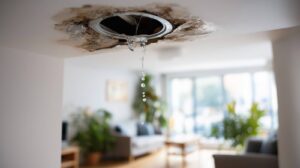
When water invades your space, it can lead to significant damage if not addressed promptly. That’s where local emergency basement water removal services come in. They specialize in quick, effective responses to mitigate damage and guarantee your home remains safe. Understanding how these services operate and what they can do for you is essential during such a stressful time.
Key Takeaways
- Local emergency basement water removal services respond quickly to assess and address flooding situations, minimizing damage and health risks.
- These services utilize specialized tools, such as pumps and dehumidifiers, for efficient water extraction and moisture control.
- Professionals conduct thorough inspections to identify the source of moisture and assess any mold growth for effective remediation.
- Teams prioritize safety by evaluating hazards and using protective gear during the water removal process.
- Long-term strategies are implemented, including proper drainage maintenance and ventilation improvements to prevent future water issues.
Understanding Basement Water Damage
When you discover water pooling in your basement, it’s more than just an inconvenience; it can lead to significant structural damage and health risks if not addressed promptly.
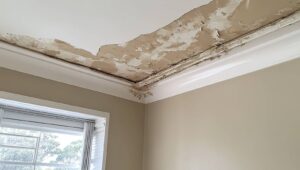
Basement moisture can create a perfect breeding ground for mold and mildew, which can compromise your indoor air quality and affect your family’s health. You might notice peeling paint, warped walls, or even a musty smell, all signs of underlying water damage that shouldn’t be ignored.
Understanding the sources of this moisture—be it from heavy rains, faulty plumbing, or inadequate drainage—is vital. Each cause requires a tailored approach for effective resolution.
The Importance of Immediate Water Removal
Immediate water removal is essential, especially since every moment water lingers in your basement increases the risk of severe damage and health hazards.
You mightn’t realize it, but swift action can make all the difference. When you initiate emergency response services, you’re not just addressing a temporary inconvenience; you’re safeguarding your home and well-being.
Consider the benefits of prompt water extraction:
- Reduces the risk of mold growth
- Minimizes structural damage
- Protects personal belongings
- Prevents electrical hazards
- Enhances air quality
How Local Emergency Services Operate
Local emergency services operate with a well-defined protocol to guarantee swift and effective water removal from your basement. When you call for help, the emergency response team springs into action, coordinating their efforts to assess the situation rapidly. They’ll arrive promptly, equipped with specialized tools and techniques tailored to your specific needs.
First, they’ll evaluate the extent of the flooding and identify any potential hazards. Effective service coordination guarantees that every team member knows their role, allowing for a streamlined process.
As they work, you’ll feel reassured by their professionalism and empathy; they understand how overwhelming this situation can be for you. Throughout the operation, they communicate clearly, keeping you informed about each step.
Their goal isn’t just to remove the water but also to minimize your stress and restore your sense of normalcy. By prioritizing your needs, they create a supportive environment during a challenging time.
Common Causes of Basement Flooding
Basement flooding can often catch you off guard, typically stemming from heavy rainfall events or unexpected plumbing failures.
When the water seeps in, it can create a range of issues that affect your home and peace of mind. Understanding these common causes is essential for prevention and swift action when problems arise.
Heavy Rainfall Events
When heavy rainfall events occur, they can quickly overwhelm drainage systems and alter groundwater levels, leading to potential flooding in your basement.
Understanding this risk is essential for your flood preparedness. Here are some factors to take into account:
- Poorly designed storm drainage systems
- Soil saturation before the rainfall
- The slope of your property
- Clogged gutters and downspouts
- Proximity to water bodies
Plumbing System Failures
Flooding can stem from various sources, and plumbing system failures are among the most common culprits. You might face issues like burst pipes, clogged drains, or malfunctioning sump pumps that can quickly lead to water pooling in your basement.
These problems often arise from a lack of regular plumbing maintenance, which is vital for preventing such emergencies. When you neglect routine checks, minor leaks can escalate into significant floods, leaving you in need of emergency repairs.
It’s important to stay proactive; addressing small plumbing issues early can save you from the stress of dealing with a flooded basement. Remember, you’re not alone—many homeowners face similar challenges, and support is available to help you navigate through these tough times.
Equipment Used in Water Removal
Effective water removal requires specialized equipment designed to tackle the unique challenges posed by excess moisture.
When you face water in your basement, understanding the tools used can provide reassurance.
Here’s a look at the essential equipment:
Pumping systems: These swiftly remove standing water, preventing further damage.
Dehumidifiers: They extract moisture from the air, helping to dry out the space efficiently.
Air movers: These enhance air circulation, speeding up the drying process.
Wet vacuums: Ideal for smaller pools of water, they’re versatile and effective.
Moisture meters: These help assess the extent of water damage, guiding further actions.
The Water Damage Restoration Process
Although dealing with water damage can be overwhelming, understanding the restoration process can ease your concerns and guide you through recovery.
First, professionals will use damage assessment methods to evaluate the extent of the water intrusion. This vital step helps identify affected areas and potential hazards.
Next, they’ll employ effective water extraction techniques to remove standing water, guaranteeing your space is safe and dry.
Once the extraction is complete, the focus shifts to drying and dehumidifying the area. This step prevents mold growth and further damage. Technicians will monitor moisture levels to guarantee thorough drying.
Afterward, they’ll clean and sanitize affected surfaces, restoring your home’s safety and comfort.
Finally, restoration begins, where damaged materials are repaired or replaced, bringing your space back to its pre-loss condition.
Preventative Measures for Future Flooding
To protect your home from future flooding, it’s essential to implement a variety of preventative measures.
By taking proactive steps, you can create a safer environment for you and your loved ones. Here are some key strategies to take into account:
Install flood barriers around your property to redirect water away from your foundation.
Invest in a sump pump to manage excess water and prevent basement flooding.
Regularly inspect and maintain your gutters and downspouts to guarantee proper drainage.
Landscape your yard with graded slopes that lead water away from your home.
Seal any cracks in your foundation to block potential water entry points.
Choosing the Right Emergency Service
When disaster strikes, how do you know which emergency water removal service to trust? Your service selection should be based on several vital emergency criteria.
Start by researching local companies that specialize in water removal; their experience and reputation can make a significant difference. Look for services that are certified and insured, ensuring they’re qualified to handle your situation.
Next, consider their response time. In emergencies, prompt action is essential to prevent further damage. A reliable service should be available 24/7 and respond quickly.
Don’t overlook customer reviews—these insights can help you gauge their reliability and effectiveness. Additionally, inquire about the equipment and techniques they use; modern technology can enhance the efficiency of water removal.
Ultimately, choosing the right service means finding a team that understands your needs, offering compassion and expertise during a stressful time.
You’re not just selecting a service; you’re seeking a partner in recovery.
The Role of Professional Mold Remediation
Selecting the right emergency water removal service is just the beginning; addressing potential mold growth is equally important.
Mold can develop quickly after water damage, posing health risks to you and your loved ones. Professional mold remediation helps guarantee a safe living environment.
Here’s why it matters:
- Prevention: Experts identify and eliminate mold before it spreads.
- Health Protection: Mold can trigger allergies and respiratory issues.
- Thorough Inspection: Professionals assess the extent of mold growth accurately.
- Specialized Equipment: They use advanced tools for effective removal.
- Long-term Solutions: Remediation prevents future mold issues through proper ventilation and moisture control.
Frequently Asked Questions
How Much Does Local Emergency Basement Water Removal Typically Cost?
Local emergency basement water removal costs vary, typically ranging from $500 to $3,000. Factors like severity, area size, and necessary equipment influence pricing estimates. Understanding these aspects helps you plan your budget effectively during emergencies.
Are Emergency Water Removal Services Available 24/7?
Like a lifeline in a storm, emergency water removal services are available 24/7. Their service availability guarantees you’re never alone during crises, providing timely emergency response to safeguard your home and peace of mind.
What Qualifications Should I Look for in a Water Removal Service?
When choosing a water removal service, look for professionals with significant experience levels and relevant service certifications. This guarantees their expertise in handling emergencies effectively, giving you peace of mind during a stressful situation.
Will My Insurance Cover Basement Water Removal Services?
When it comes to insurance policies, it’s wise to read the fine print. Coverage limits often vary, and some may cover basement water removal. Check with your provider to understand your specific policy details.
How Long Does the Water Removal Process Usually Take?
The water removal process usually takes a few hours to a couple of days, depending on the severity. Using effective water removal techniques and reliable basement flooding solutions guarantees a thorough, compassionate response to your urgent needs.
Review
In the aftermath of a basement flood, think of your home as a sponge soaked and heavy, struggling to hold it all together. Local emergency basement water removal services act like a gentle squeeze, swiftly extracting the excess water and alleviating the burden. By acting fast, you not only protect your belongings but also your home’s structure and air quality. Choosing the right service guarantees your sanctuary is restored, allowing you to breathe easy once again in your dry, safe space.