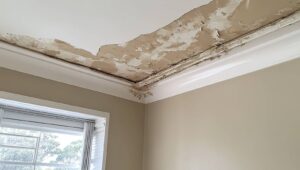
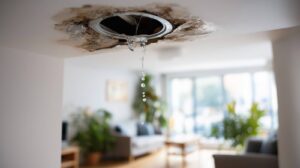
To protect your basement from basement water damage, it’s essential to adopt practical strategies that keep moisture at bay. Start by maintaining your gutters and downspouts, and consider the grading around your home to ensure water flows away from the foundation. A sump pump can be critical for managing excess water. There are several additional effective measures you can take to create a dry environment, ensuring your basement remains safe and secure.
Key Takeaways
- Regularly inspect and clean gutters to prevent overflow and direct water away from the foundation.
- Ensure proper grading and drainage around your home to direct water flow away from the basement.
- Install a sump pump at the lowest point of your basement and test it regularly for functionality.
- Apply waterproofing sealers to basement walls and floors to mitigate water damage risks.
- Use window well covers to prevent water accumulation and debris buildup, ensuring effective drainage.
Inspect and Maintain Gutters and Downspouts
While you mightn’t think about them often, your gutters and downspouts play an essential role in preventing basement water damage. Regular gutter cleaning is vital to ensure they function properly. Clogged gutters can cause water to overflow, leading to potential leaks and damage to your foundation.
Make it a habit to inspect your gutters at least twice a year, especially after heavy storms or falling leaves.
Additionally, consider installing downspout extensions. These extensions direct water farther away from your home, reducing the risk of water pooling around your foundation.
When you maintain your gutters and downspouts, you’re not just protecting your basement; you’re also taking proactive steps for your home’s longevity. By staying on top of these tasks, you’ll foster a safe and welcoming environment for your family, ensuring that you can enjoy your space without the worry of water damage.
Ensure Proper Grading Around Your Home
After ensuring your gutters and downspouts are in good shape, the next step to protect your basement is to check the grading around your home. Proper grading directs water away from your foundation, reducing the risk of flooding.
To achieve this, aim for a slope of at least six inches over the first ten feet from your foundation. You can use various grading techniques, such as adding soil or creating swales, to achieve the desired slope.
Consider your soil types, too—sand drains well but may not hold moisture effectively, while clay retains water and can lead to problems. If you have clay soil, you might need to adjust your grading more aggressively.
Don’t forget to regularly inspect the grading and make adjustments as needed. Taking these steps will help ensure your basement stays dry and your home remains a safe haven for you and your family.
Install a Sump Pump
Installing a sump pump can be a game-changer for keeping your basement dry.
You’ll want to evaluate the different types available, such as submersible and pedestal pumps, to find the right fit for your needs.
Also, consider installation factors such as the pump’s location and the drainage system to ensure peak performance.
Types of Sump Pumps
Sump pumps are vital tools for protecting your basement from water damage, and choosing the right type can make all the difference.
Understanding the different sump pump types will help you select the best fit for your needs. Here are the main options:
Submersible Sump Pumps: These operate underwater, making them efficient and quieter.
Pedestal Sump Pumps: Positioned above the water, they’re easier to access for maintenance.
Battery-Backup Sump Pumps: These keep running during power outages, ensuring continuous protection.
Smart Sump Pumps: Equipped with sensors, they notify you of potential flooding.
Whichever type you choose, regular sump pump maintenance is essential to ensure peak performance and longevity.
Installation Considerations
Choosing the right sump pump is only the first step; proper installation is key to maximizing its effectiveness in preventing basement water damage.
Start by ensuring your drainage systems are properly configured to direct water toward the sump pit. It’s essential to install the pump at the lowest point of your basement to effectively capture any water influx.
Use quality insulation materials around the sump pump to minimize condensation and maintain efficiency.
Make sure to connect the pump to a reliable power source, ideally with a backup option in case of power outages.
Finally, regularly test the pump to ensure it’s functioning correctly.
With these considerations, you’ll create a solid defense against potential water damage in your home.
Use Waterproofing Sealer on Walls and Floors
Applying a waterproofing sealer on your basement walls and floors can greatly reduce the risk of water damage.
You’ll want to evaluate the benefits of different sealers, how to apply them effectively, and which products best suit your needs.
Proper application and product choice can make all the difference in keeping your basement dry and protected.
Benefits of Waterproofing Sealers
While water damage can wreak havoc on a basement, using waterproofing sealers on walls and floors offers a reliable solution to safeguard your space.
These sealers protect against moisture while also enhancing the overall integrity of your home. Understanding the waterproofing benefits is essential for any homeowner.
Prevents mold growth: Keeps your basement healthy and safe.
Increases property value: A well-protected basement appeals to buyers.
Variety of sealer types: Choose the right one for your specific needs.
Easier maintenance: Reduces the need for costly repairs down the line.
Application Techniques for Effectiveness
To ensure maximum effectiveness when applying waterproofing sealer to your basement walls and floors, proper application techniques are essential.
Start by thoroughly cleaning the surfaces to remove any dust, dirt, or existing moisture barriers. Use a high-quality waterproofing product designed for basements.
Apply the sealer with a roller or brush, ensuring even coverage and paying special attention to cracks and seams. For best results, apply multiple coats, allowing adequate drying time between applications.
Don’t forget to check for any signs of moisture before sealing, as this can greatly impact your results.
Choosing the Right Product
Selecting the right waterproofing sealer for your basement walls and floors can greatly impact the effectiveness of your moisture protection efforts.
By choosing high-quality waterproofing materials, you ensure durable, long-lasting results.
Consider the following factors when selecting your sealer:
Compatibility: Confirm the sealer works well with your basement’s surface materials.
Application Method: Choose a product that’s easy to apply and suits your skill level.
Drying Time: Look for a sealer that dries quickly, allowing you to finish your project sooner.
Breathability: Opt for breathable sealers that allow moisture to escape while keeping water out.
Regularly Check for Cracks in the Foundation
Since the foundation of your home supports its entire structure, regularly checking for cracks is essential for preventing water damage in your basement.
Start with a thorough foundation inspection, looking for visible cracks on both the interior and exterior surfaces. Even small cracks can lead to significant issues if left unattended.
Use a flashlight to help illuminate dark areas, and don’t hesitate to get close for a closer look.
If you notice cracks wider than a quarter-inch, it’s time to evaluate crack repair options. Seal smaller cracks with a waterproof epoxy or hydraulic cement, while larger ones may require professional assessment.
Monitor Humidity Levels With Dehumidifiers
After ensuring your foundation is secure, monitoring humidity levels in your basement becomes essential. High humidity can lead to mold growth and damage your belongings.
Using a dehumidifier is a practical solution. There are various dehumidifier types to evaluate, including portable and whole-house models, depending on your needs.
When you’re selecting a dehumidifier, keep these points in mind:
- Size: Choose a unit that suits your basement’s square footage.
- Capacity: Look for a dehumidifier with the right pint-per-day capacity for effective moisture removal.
- Energy Efficiency: Opt for an Energy Star-rated model to save on electricity bills.
- Humidity Monitoring: Some units come with built-in hygrometers to help maintain ideal humidity levels.
Install Window Well Covers
One effective way to protect your basement from water damage is to install window well covers.
These covers act as a barrier, preventing rain, snow, and debris from accumulating in your window wells. When you keep your window wells clear and dry, you’ll greatly reduce the chances of water seeping into your basement.
Regular window well maintenance is essential.
Check your covers for cracks or damage, and replace them when needed. This simple step helps ensure the best drainage solutions, allowing any water that reaches the well to flow away from your home.
Frequently Asked Questions
How Often Should I Inspect My Basement for Water Damage?
You should inspect your basement for water damage at least quarterly. Regular basement inspections help you catch moisture detection early, preventing costly repairs and ensuring your space remains safe and dry for everyone.
What Are the Signs of Potential Basement Water Damage?
If you’ve ever dreamed of a swimming pool in your basement, you might notice moisture indicators like damp spots or mold. Keep an eye out for leaks; they’re not the stylish decor you want!
Can Landscaping Affect Basement Water Drainage?
Yes, landscaping can greatly affect basement water drainage. Proper landscape grading directs water away from your foundation, while effective drainage solutions, like French drains, enhance protection against water pooling and potential damage.
How Do I Choose the Right Sump Pump for My Home?
To choose the right sump pump for your home, consider sump pump types like submersible or pedestal. Regular sump pump maintenance ensures efficiency; check the float switch and clean the pit regularly for best results.
Is Basement Water Damage Covered by Homeowners Insurance?
Yes, basement water damage can be covered by homeowners’ insurance, but it depends on your insurance policies and coverage limits. Always review your policy details to ensure you understand what’s included and what’s excluded.
Conclusion
You might think your basement’s safe from water damage just because it’s underground, but that’s where most issues start. By following these tips—like maintaining gutters and installing a sump pump—you can outsmart the very moisture that lurks beneath your feet. Don’t wait for the next rainstorm to find out; take proactive steps now. After all, a dry basement isn’t just a luxury; it’s your best defense against costly repairs and a safe haven for your belongings.