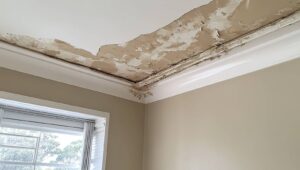
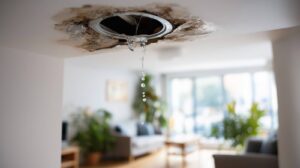
Imagine standing in a flooded basement, water pooling around your feet, and you need to act fast. Choosing the right water extraction tools is essential for effective cleanup and restoration. From portable extractors to powerful truck-mounted systems, each tool serves a specific purpose. Understanding their functions can make all the difference in your response strategy. Let’s explore the best options available to ensure you’re fully equipped for any water emergency.
Key Takeaways
- Submersible Pumps are ideal for large-scale water removal, perfect for flooded basements and construction sites.
- Wet/Dry Vacuums provide versatility for extracting moisture from various surfaces, including carpets and upholstery.
- Truck-Mounted Water Extraction Systems offer unparalleled power and efficiency for extensive water damage restoration projects.
- Portable Water Extractors are lightweight and easy to transport, making them suitable for smaller and urgent water extraction tasks.
- Dehumidifiers are essential for managing humidity levels post-extraction, preventing mold growth, and ensuring effective drying.
Types of Water Extraction Tools
When it comes to water extraction tools, you’ll find several types designed for specific needs and environments. Each tool uses various water extraction methods tailored for effective water damage prevention.
Submersible pumps are ideal for removing water from flooded basements, efficiently handling large volumes. Wet/dry vacuums, on the other hand, are versatile, allowing you to clean up spills or extract moisture from carpets and upholstery.
For more precision, consider using extraction wands, which are highly effective in tight spaces, enabling you to target specific areas with water damage. If you’re dealing with minor leaks, handheld extractors can be your best ally, providing quick and convenient solutions.
Selecting the right tool enhances your water extraction efficiency and fosters a proactive approach to water damage prevention in your home, ensuring a safer and more comfortable environment for everyone involved.
Portable Water Extractors
Although larger water extraction tools are effective for significant flooding, portable water extractors offer unmatched convenience for smaller jobs and quick cleanups.
When choosing portable extractors, you’ll appreciate their versatility and ease of use. Here are some notable portable extractor benefits:
- Lightweight design for easy transportation
- Compact size fits in tight spaces
- Quick setup for immediate use
- Powerful suction capabilities for efficient water removal
- User-friendly controls for effortless operation
These tools are perfect for tackling minor leaks, pet accidents, or flooded basements.
They can quickly restore your space to its original condition, allowing you to focus on what matters most. By investing in a portable extractor, you gain the ability to respond swiftly to unexpected water issues, ensuring your home remains safe and dry.
Embrace the practicality of portable water extractors and make them an essential part of your water damage restoration toolkit.
Truck-Mounted Water Extraction Systems
For larger water extraction projects, truck-mounted water extraction systems provide unparalleled power and efficiency.
These systems harness the strength of truck-mounted benefits, allowing you to tackle extensive water damage restoration with ease. Unlike portable extractors, truck-mounted units offer considerably higher suction capabilities, enabling faster extraction and minimizing downtime.
With robust pumps and large capacity tanks, you can achieve impressive operational efficiency, ensuring you complete jobs promptly. This translates to reduced labor costs and enhanced productivity.
Additionally, truck-mounted systems often come equipped with advanced features like heated water for better cleaning, making them ideal for various applications.
When you invest in a truck-mounted extraction system, you’re joining a community of professionals who prioritize quality and effectiveness in their work.
Submersible Pumps
Submersible pumps are vital tools for effective water extraction in a variety of settings, especially when dealing with flooded areas. They excel in numerous submersible pump applications, such as:
- Draining basements and crawl spaces
- Removing water from construction sites
- Emptying swimming pools
- Irrigating agricultural fields
- Managing stormwater runoff
To ensure peak performance, proper submersible pump maintenance is fundamental. Regularly check for wear and tear, clean the intake screen, and inspect electrical components.
Keeping the pump free from debris will enhance its longevity and efficiency.
When you utilize a submersible pump, you’re not just addressing immediate water issues; you’re investing in a reliable solution that empowers you to reclaim your space.
With the right care, these pumps can serve as invaluable allies in your water extraction efforts, making sure you’re never left overwhelmed by water challenges.
Wet/Dry Vacuums
Wet/dry vacuums are essential tools for versatile water extraction, combining the ability to suck up both liquids and solids. These powerful machines come equipped with features like robust motors, large capacity tanks, and specialized filters that enhance their efficiency.
When you use a wet/dry vacuum, you can tackle spills, floods, or even routine cleanup tasks with ease.
The benefits of wet/dry vacuums are numerous. They save you time and effort, allowing you to extract water quickly and effectively from various surfaces. Their portability makes them ideal for home use or professional applications, ensuring you can reach every nook and cranny.
Additionally, many models come with attachments tailored for specific jobs, increasing their versatility. By investing in a wet/dry vacuum, you’re not just getting a tool; you’re joining a community that values efficiency and cleanliness in water extraction solutions.
Dehumidifiers
When selecting a dehumidifier, you’ll encounter various types, each suited for specific environments.
It’s crucial to evaluate key features, such as capacity, energy efficiency, and noise levels, to ensure peak performance.
Understanding these factors will help you make an informed choice for effective moisture control.
Types of Dehumidifiers
Dehumidifiers play an essential role in managing humidity levels, especially in areas prone to excess moisture.
Understanding the different dehumidifier types can help you choose the best one for your needs, particularly if energy efficiency is a priority.
Refrigerant Dehumidifiers: Ideal for warm climates, they use a cooling coil to condense moisture.
Desiccant Dehumidifiers: Perfect for cooler areas, these use moisture-absorbing materials to lower humidity.
Whole-House Dehumidifiers: Designed for entire homes, they integrate with HVAC systems for consistent moisture control.
Portable Dehumidifiers: Easy to move, these units are great for targeted moisture removal in specific rooms.
Hybrid Dehumidifiers: Combining features from both refrigerant and desiccant types, they offer versatility and efficiency.
Selecting the right type ensures a comfortable living environment.
Key Features to Consider
Choosing the right dehumidifier involves considering several key features that can significantly impact its performance and efficiency.
First, look for the capacity, measured in pints per day, to ensure it meets your space’s needs.
Next, consider the energy efficiency rating, as a higher rating can save you money on electricity bills.
Additionally, check for vital specifications like continuous drainage options, which can simplify maintenance.
A built-in humidistat allows for automatic operation, maintaining ideal humidity levels.
Portability is also essential; models with wheels and handles make moving easier.
Finally, noise levels can affect your comfort, so choose a unit known for quiet operation.
Water Extraction Mats
Although many methods exist for removing excess water from various surfaces, water extraction mats stand out as an efficient solution for rapid moisture absorption. These mats are designed to enhance water extraction efficiency in both residential and commercial settings.
- Heavy-duty, absorbent materials for maximum moisture retention
- Non-slip backing to ensure safety during use
- Versatile sizes to fit various spaces and needs
- Quick-drying properties to minimize downtime
- Easy to clean and maintain for long-lasting use
When you use water extraction mats, you’re not just dealing with water; you’re investing in a reliable method that promotes a healthier environment.
They effectively draw moisture away, protecting your floors and belongings. Plus, with their user-friendly design, you’ll feel confident in handling any water-related challenge, assuring your space stays dry and welcoming.
Sump Pumps
Sump pumps are vital for managing excess water in basements and crawl spaces, and understanding the different types can help you choose the right one for your needs.
Regular maintenance is crucial to ensure the peak performance and longevity of your sump pump.
In this section, you’ll learn about the various sump pump types and essential care tips to keep your system running efficiently.
Types of Sump Pumps
When it comes to managing water in your basement or crawl space, understanding the different types of sump pumps available can greatly impact your choice.
Here’s a quick overview of common sump pump types that you might consider during sump pump installation:
Submersible Sump Pumps: Designed to sit in the water, these pumps are efficient and quiet.
Pedestal Sump Pumps: Positioned above the water, making them easier to access and maintain.
Battery Backup Sump Pumps: Essential during power outages, ensuring your space stays dry.
Water-Powered Sump Pumps: Rely on your home’s water supply, great for areas without electricity.
Combination Sump Pumps: A dual system that offers both submersible and battery backup features.
Choosing the right sump pump type can make all the difference in protecting your home.
Maintenance and Care Tips
To ensure your sump pump operates efficiently and reliably, regular maintenance is essential.
Start by checking the water quality; verify there’s no debris or sediment clogging the intake. Clean the sump pit regularly to prevent buildup that can affect extraction techniques.
Test your pump monthly by pouring water into the pit until it activates. Inspect the discharge pipe for blockages and verify it directs water away from your foundation.
Additionally, consider replacing the battery in battery-operated models every few years. During heavy rainfall, monitor the pump’s operation to catch any issues early.
Infrared Cameras for Water Detection
Infrared cameras serve as essential tools for detecting moisture in various environments, allowing you to identify hidden leaks and potential water damage without invasive measures.
Utilizing advanced infrared technology, these cameras provide precise moisture detection, ensuring you can act quickly to mitigate damage.
- Detect temperature variations in walls and ceilings
- Identify damp areas behind tiles and flooring
- Reveal hidden plumbing leaks before they escalate
- Monitor HVAC systems for efficiency issues
- Ensure structural integrity by locating moisture pockets
Safety Gear for Water Extraction
When you’re engaged in water extraction, wearing the right safety gear is vital for protecting yourself from potential hazards.
Essential personal protective equipment includes gloves, goggles, and respiratory protection to guard against contaminants.
Additionally, selecting proper footwear can help prevent slips and ensure stability in wet conditions.
Essential Personal Protective Equipment
When managing water extraction tasks, wearing the right personal protective equipment (PPE) is essential for ensuring your safety and health.
Proper PPE enhances your personal safety and helps you maintain hazard awareness while working in potentially dangerous environments.
Here are five essential items you should always have on hand:
- Waterproof gloves to protect your hands from contaminants
- Rubber boots with slip-resistant soles for stability
- Protective eyewear to shield your eyes from debris
- Hard hats to guard against falling objects
- High-visibility vests to make sure you’re seen in low-light conditions
Importance of Respiratory Protection
Understanding the importance of respiratory protection during water extraction is essential, especially since contaminated air can pose serious health risks.
You’re likely to encounter various respiratory hazards, such as mold spores, bacteria, and volatile organic compounds (VOCs) in damp environments. Without proper protective gear, inhaling these contaminants can lead to long-term health issues.
Using high-quality masks or respirators specifically designed for water extraction ensures you’re safeguarded against these dangers. Always choose equipment that fits well and offers the necessary filtration level for your specific environment.
Being proactive about your respiratory safety protects your health and demonstrates your commitment to professionalism and safety in your work.
Proper Footwear Selection
Selecting the right footwear for water extraction is essential for ensuring your safety and effectiveness on the job. Proper footwear protects you from hazards and enhances your performance in wet conditions.
Here are key features to look for:
Waterproof boots: Keep your feet dry and comfortable.
Slip-resistant shoes: Provide traction on slippery surfaces.
Durable materials: Ensure long-lasting protection against wear and tear.
Insulated lining: Offers warmth in colder environments.
Ankle support: Prevent injuries during movement over uneven terrain.
Frequently Asked Questions
How Often Should I Use Water Extraction Tools?
You should use water extraction tools regularly, ideally every few months or after significant leaks. Following tool usage guidelines ensures efficiency and prevents damage, maintaining the integrity of your space and fostering a sense of safety and belonging.
Can I Rent Water Extraction Equipment Instead of Buying?
Yes, you can rent water extraction equipment instead of buying. Conduct a cost comparison between rental fees and purchase prices to determine the most economical choice for your specific needs and frequency of use.
What Is the Average Cost of Water Extraction Tools?
The average cost of water extraction tools typically ranges from $300 to $3,000. For effective budget planning, conduct a cost comparison to find tools that fit your needs without overspending, ensuring you’re well-equipped for the task.
Are There Specific Brands Recommended for Water Extraction?
You might consider brands like Kärcher vacuum and Bissell extractor for effective water extraction. Both offer reliable performance and innovative features, ensuring you get the job done efficiently, leaving you satisfied with your choice.
How Do I Maintain My Water Extraction Tools?
To maintain your water extraction tools, regularly clean them using effective cleaning techniques. After use, store them properly to prevent damage. This ensures longevity and peak performance, fostering a sense of belonging within your maintenance community.
Summary
In the world of water extraction, having the right tools can make all the difference between chaos and control. Whether you need a portable extractor for quick spills or a truck-mounted system for extensive damage, each tool plays an essential role in effective cleanup. Don’t underestimate the importance of safety gear, either; it’s your first line of defense. So, when disaster strikes, are you equipped to tackle the challenge head-on? Make sure you’re ready to respond effectively.