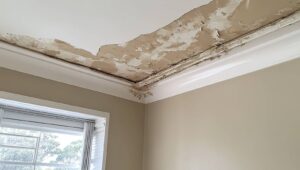
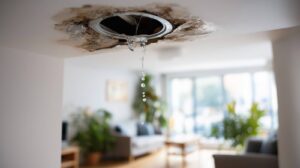
Imagine stepping into a damp, musty room where the remnants of flooding linger. Fast mold cleanup techniques are essential to prevent further damage and health risks. You’ll need to assess the situation quickly and act decisively. From removing standing water to ensuring effective drying, each step plays an important role in the process. But what specific methods should you implement to tackle mold effectively? Let’s explore the fundamental techniques you need to know.
Key Takeaways
- Remove standing water within 24 to 48 hours using wet/dry vacuums or submersible pumps to prevent mold growth.
- Use absorbent materials and dehumidifiers to effectively lower humidity levels and dry out affected areas.
- Clean surfaces with water and detergent, or bleach for thorough sanitization, ensuring all mold is scrubbed away.
- Document damage with photos and notes to assist with insurance claims and provide evidence for professionals.
- Consider hiring mold specialists for thorough inspection, effective removal, and navigating the insurance claims process.
Assessing the Damage
Before diving into mold cleanup, you need to accurately assess the damage. Begin by identifying areas affected by the flood impact; this includes walls, ceilings, and flooring.
Look for visible signs of mold, such as discoloration or a musty odor, which can indicate hidden moisture. Use tools like moisture meters to gauge dampness levels in materials, as this will help you understand the extent of the problem.
Conduct a thorough damage assessment to determine the necessary cleanup strategy. Don’t forget to check behind furniture and in corners where water might’ve pooled.
Document your findings with photos or notes to keep track of affected areas. This detailed approach ensures you address all impacted surfaces, preventing future mold growth.
Ensuring Safety First
While mold cleanup is essential, ensuring your safety during the process is paramount. Start by gearing up with personal protective equipment (PPE). This includes gloves, goggles, and a mask to shield yourself from mold spores, which can be harmful to your health.
It’s critical to assess your surroundings before diving in; confirm the area is structurally sound and ventilated.
Emergency preparedness plays an important role here. Have a plan in place for what to do if the mold situation worsens or if you encounter hazardous materials.
Keep necessary supplies like flashlights, first aid kits, and communication tools accessible.
Removing Standing Water
To effectively tackle mold growth, removing standing water is essential—especially within the first 24 to 48 hours of its appearance. If you don’t act quickly, mold can proliferate, leading to more extensive damage and health risks.
Utilize water extraction methods tailored to your situation. For smaller areas, manual methods like mopping or using wet/dry vacuums can suffice. However, for larger volumes, you’ll need to employ pumping techniques. Submersible pumps are particularly effective for clearing out standing water, ensuring you minimize moisture levels.
As you work through this process, remember to wear appropriate safety gear and keep the area well-ventilated. By prioritizing effective water removal, you’re creating a safer environment for yourself and others.
This proactive approach prevents mold growth and fosters a sense of community and shared responsibility in restoring your home. Take these steps seriously, and you’ll be on the right path to recovery.
Drying Out the Affected Area
After removing standing water, your next step is to eliminate any remaining moisture in the affected area.
Use absorbent materials to remove excess water, and then implement dehumidifiers efficiently to lower humidity levels.
This process is essential for preventing mold growth and ensuring a thorough cleanup.
Remove Excess Water
Immediately addressing excess water is essential in preventing mold growth. Start with water extraction to remove standing water caused by flood damage. Use pumps or wet vacuums to efficiently clear out the worst of it.
Once you’ve tackled the visible water, check for hidden pockets in walls and flooring, as moisture can linger and lead to mold proliferation. Open windows and doors to promote airflow and aid drying.
Be thorough—focus on areas like basements and crawl spaces, which are often overlooked. As the water level drops, monitor humidity levels to ensure they remain low.
Use Dehumidifiers Efficiently
How effectively are you using dehumidifiers to combat residual moisture? Proper dehumidifier placement is essential—position units in the center of affected areas for maximum airflow.
Make sure you’re not obstructing vents with furniture or other items. Adjust the ideal settings based on humidity levels; generally, aim for a humidity level of around 30-60%. If the space is particularly damp, set your dehumidifier to run continuously until conditions improve.
Monitor the water collection reservoir frequently, emptying it as needed to maintain efficiency. Additionally, keep windows and doors closed to prevent outside humidity from interfering.
Cleaning and Sanitizing Surfaces
When dealing with mold, ensuring that surfaces are both clean and sanitized is essential for preventing future growth and maintaining a healthy environment.
First, assess the affected areas and gather effective cleaning solutions. Using a mix of water and detergent can help remove visible mold. However, for thorough sanitization, consider surface sanitization methods that include solutions with bleach or hydrogen peroxide, which are particularly effective against mold spores.
Apply your chosen cleaning solution to the surfaces and scrub diligently, paying attention to corners and crevices where mold tends to hide.
After scrubbing, rinse the surfaces with clean water to remove any residue. Finally, allow the area to dry completely, as moisture encourages mold regrowth.
Using Dehumidifiers Effectively
Dehumidifiers play an essential role in mold prevention by effectively reducing indoor humidity levels.
To maximize their impact, focus on proper dehumidifier placement. Position the unit in the areas most affected by moisture, such as basements or near water-damaged spaces. Make sure that air can circulate freely around the dehumidifier, avoiding corners or obstructed areas.
Setting the dehumidifier to ideal settings is vital. Aim for a relative humidity level between 30% and 60% for effective mold control.
Regularly monitor humidity levels with a hygrometer to make necessary adjustments. If your dehumidifier has a continuous drainage option, use it to avoid frequent emptying of the tank, allowing for uninterrupted operation.
Employing Mold Inhibitors
Reducing humidity with dehumidifiers is an effective step, but to further prevent mold growth, employing mold inhibitors can be a game-changer.
These chemical treatments work by creating an environment that’s hostile to mold spores, effectively stunting their growth. You can find mold inhibitors in various forms, including sprays and additives for paints, which can be applied to surfaces prone to moisture accumulation.
When choosing a mold inhibitor, it’s essential to take into account the specific areas you’re targeting. For instance, using a mold-resistant paint in bathrooms or kitchens can enhance mold prevention efforts considerably.
Additionally, read labels carefully to confirm the product suits your needs and complies with safety standards.
Incorporating mold inhibitors into your cleanup routine protects your space and fosters a healthier environment for you and your family.
Taking these proactive measures will help you maintain a mold-free home.
Monitoring for Mold Growth
Although mold inhibitors can greatly reduce the risk of growth, regular monitoring for mold is essential to confirm your home remains safe and healthy.
To effectively track mold growth, start by inspecting high-risk areas such as bathrooms, basements, and around windows. Utilize monitoring techniques like moisture meters to detect hidden dampness, as mold thrives in moist environments.
Additionally, consider using air quality monitors that can identify mold spores in the air. Regularly check for visible signs of mold, such as discoloration on walls or ceilings, and address any leaks promptly.
Keeping humidity levels below 60% with dehumidifiers can also aid in prevention. Engage family members in the monitoring process to foster a sense of community and shared responsibility.
Seeking Professional Help
When mold growth becomes extensive or persistent, seeking professional help is often the most effective course of action. Mold specialists possess the expertise and equipment necessary to assess and remediate mold issues safely and thoroughly. They can identify hidden mold sources and ensure that your home is restored to a healthy environment.
Hiring professionals can also streamline the process of filing insurance claims. Many mold specialists have experience working with insurance companies, helping you navigate the claims process effectively. They can document the extent of the damage and provide necessary evidence to support your claim, which may expedite repairs and financial relief.
While DIY methods may seem appealing, they often fall short in addressing severe infestations. Relying on professionals enhances your safety and provides peace of mind, knowing that your home is in capable hands.
Don’t hesitate to reach out for help when you need it most.
Frequently Asked Questions
How Long Does It Take for Mold to Grow After Flooding?
Mold growth can begin within 24 to 48 hours after flood damage occurs. To prevent further issues, you should act quickly to dry affected areas and remove any moisture, ensuring a healthier environment.
Can I Use Bleach to Clean Mold After Flooding?
You can use bleach to clean some mold types, but its effectiveness varies. It doesn’t penetrate porous surfaces well, so consider alternatives like vinegar or commercial cleaners for thorough mold removal after flooding.
What Health Risks Are Associated With Mold Exposure?
Mold exposure can lead to various health risks, including mold symptoms like coughing, sneezing, and respiratory issues. Individuals with allergies or asthma may experience heightened reactions, making it essential to address mold promptly and effectively.
How Do I Know if I Need Professional Mold Remediation?
If you notice extensive mold growth, persistent odors, or health issues, you likely need professional mold remediation. A mold inspection can help identify the problem, but consider remediation costs before making your decision.
Are There Any Natural Mold Removal Solutions I Can Use?
Yes, you can use natural remedies like vinegar, baking soda, or tea tree oil. Essential oils, such as lavender and eucalyptus, also help combat mold effectively while leaving your space smelling fresh and inviting.
Recap
In the aftermath of flooding, think of your home as a garden—nurturing it back to health requires swift action. By evaluating damage, removing water, and drying surfaces, you cultivate an environment where mold struggles to take root. Just as a gardener uses tools to protect their plants, employing dehumidifiers and mold inhibitors shields your space from future growth. If mold persists, don’t hesitate to call in experts; they’re the seasoned gardeners who’ll help restore your home to its former glory.