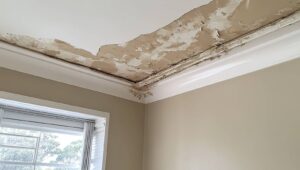
Water damage can feel like the end of the world when it strikes your home. However, maneuvering the claims process doesn’t have to be overwhelming. With the right approach, you can tackle the situation effectively and ensure you receive the support you need. From understanding your policy to following up on your claim, there are key strategies that can make a significant difference. Let’s explore these essential tips to help you through this challenging time.
Key Takeaways
- Document all damages with clear photos and notes to support your claim when contacting 24/7 water damage support.
- Reach out to your insurance agent immediately to understand coverage and initiate the claims process without delay.
- Keep communication logs of all conversations with insurance representatives, noting dates, times, and key points discussed.
- Hire certified restoration professionals to assess and document damage accurately for insurance claims.
- Stay proactive by scheduling regular follow-ups with adjusters, ensuring timely processing of your water damage claim.
Understand Your Insurance Policy
While facing water damage can be overwhelming, understanding your insurance policy is essential for a smooth claims process. You need to explore the details, especially focusing on policy exclusions and coverage limits. Knowing what’s covered can save you from unexpected out-of-pocket expenses later.
For instance, many policies exclude certain types of water damage, like flooding or sewer backups, which can leave you unprotected if you’re not aware.
Be proactive—reach out to your insurance agent to clarify any confusing terms. This way, you’ll feel more secure in your understanding and less anxious about the claims process.
Make sure you know the maximum coverage limits too, as these can vary widely. By familiarizing yourself with your policy, you’ll be better equipped to navigate the challenges ahead.
Document the Damage Thoroughly
When dealing with water damage, capturing clear photographs is essential.
These images serve as significant evidence for your claim, so don’t skip this step.
Additionally, maintaining detailed records of the damage will help you present a thorough case to your insurance provider.
Capture Clear Photographs
Capturing clear photographs of the damage is essential for a successful water damage claim. Use effective photograph techniques to ensure your images convey the extent of the problem. Here are some tips to help you:
Lighting Considerations: Take photos in natural light whenever possible to avoid shadows.
Wide Shots: Capture the entire affected area to provide context.
Close-Ups: Zoom in on specific damages, like mold or structural issues, for detailed evidence.
Before and After: If you’ve started cleanup, document the progress to highlight the damage’s severity.
Maintain Detailed Records
Maintaining detailed records is essential for a successful water damage claim. Effective record keeping allows you to document every aspect of the situation, from the initial damage to any repairs made.
Start by organizing your claims around photographs, receipts, and any correspondence with your insurance provider. This helps keep your claim organized and reinforces your case.
Make notes about conversations, including dates and names, to create a clear timeline of events. Remember, thorough documentation can greatly impact the outcome of your claim, ensuring that you receive the support you deserve.
Contact Your Insurance Provider Immediately
As soon as you discover water damage, contacting your insurance provider is essential to initiate the claims process. An immediate response can greatly impact the outcome of your claim.
Here are four key steps to follow:
Gather Information: Document the extent of the damage and gather relevant policy details.
Make the Call: Reach out to your insurance provider to notify them of the situation and start the claims process.
Ask Questions: Inquire about the coverage specifics and what documentation they’ll require from you.
Follow-Up: Keep the lines of communication open to ensure your claim is progressing smoothly.
Keep Records of All Communications
Once you’ve reported the water damage to your insurance provider, keeping detailed records of all communications becomes essential. Effective record keeping can greatly impact your claim process, ensuring you have all the necessary information at your fingertips.
Use clear communication strategies when interacting with your insurer, noting dates, times, and the names of representatives you speak with. This documentation aids in tracking your progress and serves as a reference if disputes arise.
Consider creating a dedicated folder—physical or digital—for all correspondence related to your claim. Include emails, letters, and notes from phone calls. This organized approach fosters a sense of control during a stressful time, allowing you to feel more connected with the process.
Get Professional Help for Restoration
When facing water damage, it’s essential to assess the situation thoroughly before taking action.
Hiring certified technicians ensures that you get expert care and the right equipment for effective restoration.
This not only speeds up recovery but also minimizes the risk of long-term damage.
Assess Damage Thoroughly
While you may be tempted to assess water damage on your own, getting professional help for restoration is crucial. Experts can accurately evaluate the extent of the damage and ensure nothing is overlooked.
Here are four critical aspects they’ll focus on:
Evaluate Water Source: Identify where the water came from to prevent future issues.
Assess Structural Integrity: Check for any damage to walls, floors, and ceilings that could compromise safety.
Inspect for Mold Growth: Look for any signs of mold, which can develop quickly in damp environments.
Document Everything: Confirm all damage is recorded for insurance claims, providing a clear picture of the situation.
Hire Certified Technicians
Hiring certified technicians is essential for effective water damage restoration. Their qualifications ensure that they’ve the necessary training and expertise to tackle complex issues safely and efficiently.
When you choose certified professionals, you’re not just getting help; you’re investing in peace of mind. The certification importance can’t be overstated, as it reflects a commitment to industry standards and ongoing education.
Certified technicians are skilled in evaluating damage, preventing further issues, and implementing the right restoration techniques. This expertise fosters a sense of belonging, knowing you’re working with trusted individuals who prioritize your home’s safety.
Use Advanced Equipment
Using advanced equipment is essential for effective water damage restoration, as it allows professionals to assess and address issues more accurately.
When you seek help, look for teams that utilize modern technology to ensure thorough restoration. Here are some key tools they should have:
Water Extraction Machines: Quickly remove standing water to prevent further damage.
Moisture Detection Meters: Identify hidden moisture levels in walls and flooring.
Air Movers: Enhance air circulation to speed up drying processes.
Dehumidifiers: Reduce humidity levels, preventing mold growth.
Be Aware of Time Limits for Filing Claims
Understanding the time limits for filing water damage claims is essential, as missing a deadline can jeopardize your chances of receiving compensation. Each insurance company has specific claim deadlines, often ranging from a few days to several months after the damage occurs. Familiarizing yourself with these timelines ensures you’re not left in the lurch.
To navigate the filing procedures effectively, take note of when the damage happened and document everything meticulously. This includes photos, repair estimates, and any communications with your insurer. Staying organized helps you respond promptly and strengthens your claim.
Don’t hesitate to reach out to your insurance agent for clarity on deadlines and necessary documentation. You’re not alone in this process; many have faced similar challenges.
Follow Up Regularly on Your Claim Status
While it might be tempting to wait for updates on your water damage claim, regularly following up can greatly impact your compensation process. Staying proactive helps ensure you’re not left in the dark and fosters a sense of control during a challenging time.
Here are some effective communication strategies for checking in on your claim updates:
Schedule Regular Check-Ins: Set reminders to contact your insurance adjuster every week or two.
Be Prepared: Keep all necessary documents handy to discuss your claim efficiently.
Ask Specific Questions: Inquire about timelines, required documents, and next steps to get clear answers.
Document Everything: Maintain a log of your conversations to track progress and any commitments made.
Frequently Asked Questions
What Types of Water Damage Are Typically Covered by Insurance?
Insurance typically covers water damage from pipe bursts, but flood damage often requires separate policies. It’s crucial to understand your coverage, as each situation varies. You deserve peace of mind when facing these challenges.
How Long Does the Claims Process Usually Take?
“Time is money.” Typically, the claims timeline ranges from a few days to several weeks. However, processing delays can occur due to documentation issues or investigations, so stay proactive and follow up regularly for updates.
Can I Choose My Own Restoration Company?
Yes, you can choose your own restoration company, but it’s essential to check your insurance guidelines. Understanding your restoration options ensures you make informed decisions while feeling supported throughout the claims process. You’re not alone.
What if My Claim Is Denied?
If your claim’s denied, don’t lose hope. You can file a claim appeal and negotiate with your insurance. Gather evidence supporting your case; it strengthens your position and fosters a sense of community in facing challenges together.
Are There Any Costs I Need to Cover Upfront?
“An ounce of prevention is worth a pound of cure.” You’ll likely face upfront expenses like insurance deductibles before your claim kicks in. Understanding these costs helps you prepare and navigate the process smoothly.
Conclusion
Maneuvering a water damage claim can feel overwhelming, but you don’t have to face it alone. While the chaos of water damage looms, your organized approach can bring clarity. By understanding your policy and diligently documenting every detail, you turn confusion into control. Remember, timely communication with your insurer and professional restoration help transform a stressful situation into a manageable one. Stay proactive, and you’ll find resolution amid the storm, ensuring your home—and peace of mind—are restored.