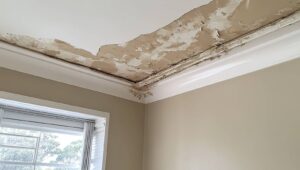
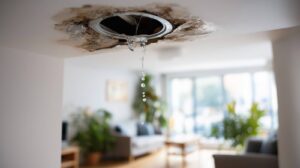
Think of your basement as a sponge; if it absorbs too much water, it can become damaged and lose its function. Many homeowners overlook simple basement water damage maintenance practices that can keep their basements dry and safe. From inspecting gutters to sealing cracks, there are essential steps you can take to protect your space. Let’s explore effective strategies that can save you from costly repairs and keep your basement in top shape.
Key Takeaways
- Regularly inspect and clean gutters and downspouts to ensure proper water flow away from the foundation.
- Ensure proper grading around your home to direct water away from the foundation and prevent pooling.
- Install a sump pump and monitor plumbing for leaks to manage potential water influx effectively.
- Seal cracks and openings in basement walls and floors to create barriers against moisture intrusion.
- Use waterproof materials and maintain humidity control to protect against moisture accumulation in your basement.
Inspect and Maintain Gutters and Downspouts
To prevent basement water damage, regularly inspecting and maintaining your gutters and downspouts is crucial. Start by checking for debris, leaves, and dirt that can block water flow. Schedule gutter cleaning at least twice a year, or more frequently if you live near trees. Clear obstructions to ensure rainwater can flow freely.
Next, examine your downspouts. Make sure they direct water at least 5-10 feet away from your foundation. If they don’t, consider adding a downspout extension. This simple addition can effectively channel water away, protecting your basement from potential leaks.
Don’t overlook the importance of these tasks. By taking the time to maintain your gutters and downspouts, you’ll create a safer environment for your home and family.
You belong in a space free of water issues, so make this upkeep a priority to safeguard your sanctuary.
Ensure Proper Grading Around Your Home
To prevent basement water damage, you need to ensure the soil slopes away from your home.
Evaluate the grading around your property, and if necessary, consider installing drainage systems to channel water effectively.
Don’t forget to maintain your landscape grading, as proper elevation can greatly reduce water pooling near your foundation.
Evaluate Soil Slope
While many homeowners overlook the importance of soil slope, ensuring proper grading around your home is essential for preventing basement water damage.
Start by evaluating the soil slope within a 6 to 10-foot radius of your foundation. Ideally, the ground should slope away from your home at a gradient of at least 2% to encourage effective drainage.
This simple adjustment can greatly reduce soil erosion and manage drainage patterns, directing water away from your basement. Keep an eye on low spots where water can accumulate, as these can become problematic.
If you notice any issues, consider adding soil or creating swales to improve the slope. Taking these steps will help protect your home and create a healthier living environment for you and your family.
Install Drainage Systems
Proper grading is just the first step in safeguarding your basement from water damage; installing effective drainage systems is equally important. Consider incorporating various drainage solutions, such as French drains or sump pumps, to channel water away from your home’s foundation.
These systems help prevent water accumulation, reducing the risk of moisture penetrating your basement walls.
Additionally, installing waterproof barriers on your basement walls can provide an extra layer of protection. Make sure to seal any cracks and gaps, as these can allow water seepage.
By combining proper grading with reliable drainage systems and waterproof barriers, you create a thorough defense against water damage.
Take these steps seriously, and you’ll foster a dry, comfortable space for family gatherings and cherished memories.
Maintain Landscape Grading
Ensuring your home’s landscape is graded correctly is essential for directing water away from your foundation. Start by evaluating the slope around your house; it should slope away at least six inches over the first ten feet. This prevents water from pooling near your foundation, which can lead to issues like soil erosion.
Consider planting grass or ground cover to stabilize the soil and minimize erosion. If you have low spots, think about incorporating drainage solutions, such as French drains or swales, to enhance water movement.
Regularly check your grading after heavy rains and make adjustments as needed. By maintaining proper landscape grading, you’ll help protect your home from basement water damage and foster a more welcoming outdoor environment.
Install a Sump Pump
To effectively prevent basement water damage, installing a sump pump is essential.
You’ll want to choose the correct pump size for your basement’s needs, ensuring it can handle potential water volume.
Additionally, regular maintenance checks and a battery backup system will keep your pump running smoothly during power outages or heavy rainfall.
Choose the Correct Pump Size
Choosing the right pump size is essential for effectively managing water in your basement. Start by understanding the different pump types available, such as submersible and pedestal pumps. Each serves unique needs, so consider your basement’s specific conditions.
Next, focus on the flow rate, which measures how much water the pump can handle per minute. You’ll want a pump that can keep up with potential water influx, especially during heavy rain or snowmelt.
Calculate the volume of your basement and consult manufacturer guidelines to find the right size and flow rate for your situation. By choosing the correct pump size, you’ll protect your space from water damage and create a safer, drier environment for your home.
Regular Maintenance Checks
After selecting the right pump size, regular maintenance checks are essential for keeping your sump pump in top condition.
Schedule seasonal checkups to ensure everything’s functioning smoothly. Start by inspecting the pump for any debris or clogs that could impede operation. Check the power source and make sure the float switch moves freely.
During these preventive maintenance sessions, also test the pump by pouring water into the pit to see if it activates. Don’t forget to verify the discharge line is clear and properly directing water away from your foundation.
Install Battery Backup
Having a reliable sump pump is vital for preventing basement water damage, but it’s equally important to take into account installing a battery backup system. This backup ensures your sump pump continues to function during power outages, which can be critical during heavy rains.
To maximize your system’s effectiveness, consider the following:
Regular battery maintenance: Check and replace batteries as needed to make sure they’re always ready.
Integrate alarm systems: Install alarms to alert you when the sump pump is active or if there’s a malfunction.
Choose a high-capacity battery: Select a battery that can handle your pump’s demands for extended periods.
Seal Cracks and Openings
To effectively prevent water damage in your basement, sealing cracks and openings is essential. Start by inspecting your basement walls and floors for any visible cracks. Even small gaps can allow water to seep in, so don’t underestimate their impact. Use a high-quality crack sealing compound to fill these gaps, ensuring a tight seal.
Remember, the goal is to create effective water barriers that stop moisture in its tracks.
In addition to sealing cracks, pay attention to openings around pipes, vents, and windows. These areas can also be vulnerable to water intrusion. A foam sealant or caulk works well for these spots, providing an extra layer of protection.
Regularly check your seals for wear and tear, reapplying as needed. By taking these proactive steps, you’ll protect your basement from water damage and create a more comfortable, secure living space for you and your family.
Use Waterproof Materials
Using waterproof materials in your basement can greatly reduce the risk of water damage. By incorporating these materials, you create a reliable defense against moisture infiltration.
Start by applying waterproof coatings to walls and floors, which create a protective layer that repels water. Additionally, reflect on installing moisture barriers, especially in areas prone to dampness.
Here are some key materials to reflect on:
- Waterproof Paint: Ideal for walls, it seals surfaces and prevents moisture penetration.
- Vapor Barriers: Placed under concrete slabs, they stop moisture from rising through the ground.
- Water-resistant Flooring: Options like vinyl or tile can withstand humidity and spills better than traditional materials.
Regularly Check for Plumbing Leaks
Even with waterproof materials in place, it’s essential to keep an eye on your plumbing. Regular plumbing inspections can help you catch leaks before they become major issues.
Start by checking visible pipes, fixtures, and connections for any signs of moisture or dripping. Pay attention to areas around water heaters, washing machines, and sinks, as these are common trouble spots.
Consider using leak detection tools, like moisture meters, to identify hidden leaks behind walls or under floors. If you notice any unusual dampness or water stains, investigate immediately to prevent mold growth or structural damage.
Don’t forget to inspect your basement regularly, as it’s often the first place leaks can escalate unnoticed.
Frequently Asked Questions
What Are the Signs of Potential Basement Water Damage?
You’ll notice signs like damp spots, musty odors, or increased moisture levels. Regular leak detection can help you spot issues early. Check for cracks in walls and floors, as they can indicate potential water damage.
How Often Should I Check My Basement for Water Damage?
“An ounce of prevention’s worth a pound of cure.” You should check your basement for water leaks at least twice a year. Regular basement inspections help catch potential issues early, ensuring your home stays safe and sound.
Can Landscaping Affect Basement Water Drainage?
Yes, landscaping techniques can considerably affect basement water drainage. By implementing proper drainage solutions, like grading and strategic plant placement, you can direct water away from your foundation, reducing the risk of water damage.
Is Homeowner’s Insurance Sufficient for Basement Water Damage?
Homeowner’s insurance often doesn’t fully cover basement water damage. You should check your insurance coverage details, ensuring it adequately protects against potential flooding and related expenses for peace of mind.
How Do I Choose a Reliable Contractor for Basement Waterproofing?
To choose a reliable contractor, check their qualifications, read reviews, and ask about their waterproofing techniques. Make certain they offer warranties and have experience with similar projects. Trust your instincts and communicate your needs clearly.
Summary
By staying proactive with these tips, you’ll build a fortress against basement water damage. Just like a well-tended garden flourishes, your home thrives when you regularly inspect gutters, maintain proper grading, and seal cracks. Installing a sump pump and using waterproof materials can be your safety net during heavy rains. Remember, a little effort now can save you from a flood of problems later. Take these steps to keep your basement dry and your peace of mind intact.