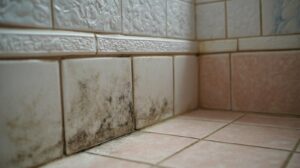
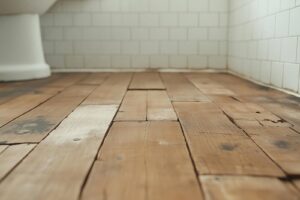
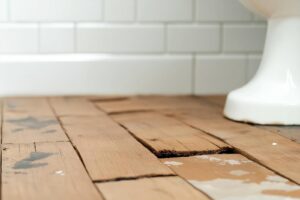
When dealing with mold after a sewage backup, it’s essential to approach the situation methodically. Start by evaluating the damage and identifying any safety hazards. You’ll need to wear protective gear to safeguard yourself from contaminants. Next, you must contain the area to prevent mold spores from spreading. Each step is critical to ensuring a successful mold removal cleanup. What comes next could determine the long-term safety of your environment.
Key Takeaways
- Conduct a thorough damage assessment and identify contaminated surfaces, ensuring safety with protective gear.
- Seal off the affected area with plastic sheeting to prevent contamination spread.
- Remove all porous materials, such as drywall and carpeting, and seal them in heavy-duty bags.
- Clean and disinfect surfaces using EPA-approved agents, following instructions for effective application.
- Regularly monitor for mold regrowth and maintain proper ventilation and humidity control.
Assess the Damage and Safety Hazards
When you face a sewage backup, evaluating the damage and safety hazards is vital before taking any further steps.
Start with a thorough damage assessment of the affected area. Look for contaminated surfaces, structural damage, and any standing water. This initial evaluation helps you understand the extent of the problem and informs your next actions.
Safety precautions are important during this process. Wear protective gear, including gloves, masks, and boots, to shield yourself from harmful pathogens.
Ensure proper ventilation to reduce exposure to airborne contaminants. If the damage seems extensive, consider contacting a professional for a more accurate assessment and remediation plan.
Contain the Affected Area
Once you’ve assessed the damage and identified safety hazards, it’s important to contain the affected area to prevent further contamination and limit exposure.
Start by implementing effective containment strategies, such as sealing off the area with plastic sheeting. This creates a barrier that prevents spores and contaminants from spreading to unaffected spaces. Verify that all doors and windows are closed, and use tape to secure any openings.
Follow strict safety protocols by wearing appropriate personal protective equipment (PPE), including gloves, masks, and goggles. This protects you from inhaling harmful particles while you work.
Use air scrubbers equipped with HEPA filters to help purify the air in the containment zone.
Regularly monitor the area for any signs of leaking or moisture, and address these issues immediately.
Remove Contaminated Materials
Removing contaminated materials is a critical step in the mold removal process after a sewage backup. Start by identifying and removing any porous materials that may harbor mold spores, such as drywall, carpeting, and insulation. These items are often impossible to clean thoroughly and can be significant contamination sources.
Use a utility knife to cut away affected drywall and carefully roll up carpets, making sure you don’t spread spores into the air.
Always wear personal protective equipment (PPE), including gloves, goggles, and a mask, to safeguard yourself from harmful bacteria and mold. Seal contaminated materials in heavy-duty plastic bags before disposal to prevent further contamination.
Clean and Disinfect Surfaces
After clearing out contaminated materials, focus on cleaning and disinfecting all surfaces that may have been exposed to sewage. This step is vital for preventing mold growth and ensuring a safe environment.
Here are four essential actions to take:
- Choose effective cleaning agents: Use EPA-approved cleaning agents specifically designed for sewage contamination.
- Implement proper disinfecting techniques: Follow the manufacturer’s instructions for dilution and application, ensuring thorough coverage.
- Scrub surfaces diligently: Use brushes or sponges to remove any visible debris and contaminants, paying special attention to porous materials.
- Rinse and dry: After disinfecting, rinse surfaces with clean water and allow them to dry completely to inhibit mold growth.
Monitor for Mold Regrowth
While cleaning and disinfecting surfaces is essential, it’s equally important to actively monitor for mold regrowth in the aftermath of a sewage backup.
After your initial cleanup, regularly inspect affected areas for any signs of mold. Look for discoloration, musty odors, or visible mold patches. Conduct mold testing in areas prone to moisture to ensure you catch any hidden growth early.
Implementing regrowth prevention measures is vital. Confirm proper ventilation and humidity control in your space, as mold thrives in damp conditions. Use dehumidifiers if necessary and keep your home well-ventilated, especially in bathrooms and kitchens.
If you notice any signs of regrowth, act quickly. Remain vigilant and don’t hesitate to consult professionals for thorough mold remediation if needed.
Frequently Asked Questions
How Can I Tell if Mold Is Toxic or Non-Toxic?
You can use mold identification methods like visual inspection and air sampling to determine toxicity. Non-toxic molds typically cause mild health effects, while toxic molds can lead to serious respiratory issues or allergic reactions. Stay safe!
What Personal Protective Equipment Do I Need for Mold Removal?
For mold safety, wear protective gear such as N95 respirators, gloves, goggles, and full-body suits to shield yourself from harmful spores during removal.
Can I Use Bleach to Clean Mold After Sewage Backup?
You shouldn’t use bleach for mold growth after a sewage backup. It doesn’t penetrate porous materials effectively. Instead, focus on safer cleaning methods, such as specialized mold removers, to ensure thorough removal and minimize health risks.
How Long Does It Take for Mold to Start Growing?
Mold growth can begin within 24 to 48 hours when moisture levels are high. To prevent it, ensure proper ventilation and control humidity. Regularly inspect areas prone to dampness to maintain a safe, healthy environment.
Should I Hire a Professional or Attempt DIY Mold Removal?
You should hire a professional. While DIY might seem tempting, consider cost considerations and health risks. Professionals ensure thorough removal, protecting your space and health, creating a safe environment where you and your loved ones can thrive.
Summary
Effectively removing mold after a sewage backup is vital for your safety and health. By following the outlined steps—assessing damage, containing areas, removing contaminated materials, and thoroughly cleaning—you can greatly reduce the risk of mold regrowth. Regular monitoring and maintaining proper ventilation are essential to protect your home and loved ones from the dangers of mold exposure.