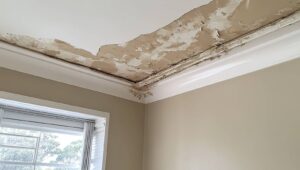
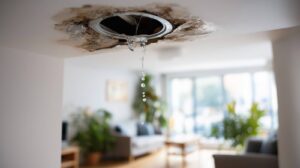
Sewage backups can pose significant health risks and structural damage if not addressed promptly. Understanding the types of sewage contamination and the necessary sewage cleanup procedures is vital for ensuring safety. You’ll need to act quickly and effectively to mitigate further issues. What steps should you take immediately after a backup occurs, and how can you prevent mold growth from taking hold?
Key Takeaways
- Identify the type of sewage contamination (black, gray, or white water) to determine appropriate cleanup methods and health risks.
- Immediately evacuate the area and contact a professional sewage restoration service to ensure safe and effective cleanup.
- Equip yourself with protective gear like gloves and respirators, and use wet/dry vacuums for efficient water removal.
- Thoroughly disinfect affected areas with EPA-approved products and ensure complete drying to prevent mold growth.
- Regularly inspect plumbing and maintain low indoor humidity levels to prevent future sewage issues and mold development.
Understanding Sewage Damage
Sewage damage poses significant health risks and structural challenges for any affected property. Recognizing sewage sources is essential for effectively addressing contamination. Common sources include overflowing toilets, broken sewer lines, and stormwater intrusion. Each source presents unique contamination levels, often categorized as black, gray, or white water.
Black water, containing human waste, is the most hazardous and requires immediate attention. Gray water, from sinks and showers, poses risks as well, but is generally less severe. Understanding these risks can help you prioritize your response actions and ensure the safety of everyone involved.
To mitigate health hazards, you need to act quickly, employing appropriate safety measures and professional assistance when necessary. The longer sewage remains untreated, the greater the potential for mold growth and structural damage.
Identifying the Types of Sewage Contamination
When dealing with sewage contamination, it’s essential to identify the type you’re facing.
There are three main categories:
Category 1 includes clean water,
Category 2 refers to gray water,
and Category 3 encompasses black water.
Each category poses different health risks and requires specific cleanup methods.
Category 1: Clean Water
Understanding the different categories of water contamination is essential for effective sewage cleanup and mold remediation.
Category 1, or clean water, refers to water originating from clean water sources, such as rainwater, melted snow, or broken pipes. This type of water poses minimal health risks, making immediate action vital for preventing further damage.
To address clean water incidents, focus on swift clean water treatment methods, which may involve extraction, drying, and sanitization. Properly managing this category can prevent it from escalating to more hazardous conditions.
Category 2: Gray Water
Gray water, which refers to wastewater from sources like sinks, showers, and washing machines, poses moderate health risks due to its potential contamination. Understanding gray water sources is vital for effective management and treatment.
This type of water can harbor bacteria and organic materials, making proper gray water treatment essential to mitigate risks. You should never ignore signs of contamination, as untreated gray water can lead to mold growth and further damage.
Implementing appropriate gray water treatment methods, such as filtration and disinfection, can greatly reduce hazards. If you encounter gray water issues in your home, address them promptly to maintain a safe living environment for you and your family.
Prioritizing prevention will help foster a healthy space for all.
Category 3: Black Water
Category 3, black water, presents the highest level of sewage contamination and poses significant health risks.
This type of waste typically includes water from toilets, sewage backups, or floodwaters that carry harmful pathogens and toxins.
When you encounter black water, it’s vital to act quickly, as exposure can lead to serious illnesses.
Proper sewage treatment is essential for effectively managing this contamination.
You’ll need to wear protective gear and avoid direct contact.
It’s advisable to contact professionals specializing in sewage cleanup and mold remediation, as they have the expertise and equipment to handle black water safely.
Health Risks Associated With Sewage Exposure
When exposed to sewage, you face numerous health risks that can affect both short-term and long-term well-being. Understanding these health hazards is essential for your safety.
Here are four significant risks you should be aware of:
- Infections: Exposure to bacteria and viruses can lead to gastrointestinal and respiratory infections.
- Skin Irritation: Direct contact with contaminated water can cause rashes or dermatitis.
- Respiratory Issues: Inhalation of mold spores and toxic gases from sewage can trigger asthma or other chronic respiratory conditions.
- Long-Term Effects: Ongoing exposure may result in serious health conditions, including liver damage or neurological disorders.
Immediate Steps to Take After Sewage Backup
After a sewage backup occurs, it’s vital to act quickly to minimize health risks and property damage.
First, ensure everyone’s safety by evacuating the area and avoiding contact with contaminated materials. Next, turn off the electricity and water supply to prevent further complications. Document the damage with photos for insurance purposes.
Contact a professional specializing in sewage restoration immediately. They have the expertise to assess the situation and begin the necessary cleanup process.
While waiting for help, start removing any unaffected items to a safe location. It’s important to avoid using regular cleaning methods, as sewage requires specialized techniques and sanitary disposal to eliminate pathogens effectively.
Control odors by ventilating the area if safe to do so, but don’t compromise your safety.
The Cleanup Process: Equipment and Techniques
When tackling sewage cleanup, you’ll need specific equipment and techniques to ensure effectiveness and safety.
Familiarizing yourself with essential tools, such as industrial vacuums and protective gear, is vital for successful remediation.
Additionally, understanding effective cleanup methods will help you manage the situation efficiently while minimizing health risks.
Essential Cleanup Equipment
Effective sewage cleanup and mold remediation require specialized equipment to ensure thorough and safe restoration.
To confirm you’re well-prepared, here are the essential cleanup tools and protective gear you’ll need:
- Rubber gloves – Protect your hands from contaminants while handling waste.
- Respirator mask – Shield your lungs from harmful mold spores and bacteria.
- Heavy-duty trash bags – Safely dispose of contaminated materials to prevent cross-contamination.
- Wet/dry vacuum – Efficiently remove water and debris from affected areas.
Having the right equipment enhances your safety and increases the effectiveness of your cleanup efforts.
With these essential tools at your disposal, you’ll be ready to tackle the challenges of sewage cleanup and mold remediation confidently.
Effective Cleanup Techniques
Having the appropriate equipment sets the stage for implementing effective cleanup techniques during sewage cleanup and mold remediation.
Start with effective vacuuming to remove contaminated materials and debris. Use specialized wet-dry vacuums designed for hazardous waste to ensure thorough extraction.
After vacuuming, focus on thorough disinfection by applying EPA-approved disinfectants to surfaces. This step is essential in eliminating harmful pathogens and preventing mold regrowth. Make sure you follow the manufacturer’s instructions for proper dilution and contact time to maximize effectiveness.
Additionally, consider utilizing dehumidifiers to control moisture levels, further inhibiting mold growth.
Safety Precautions Required
Although safety precautions are often overlooked, they’re essential during sewage cleanup and mold remediation.
To protect yourself and ensure a safe environment, follow these safety protocols:
- Wear protective gear: Always don gloves, masks, and goggles to shield against harmful contaminants.
- Ventilate the area: Open windows and use fans to improve air circulation, reducing exposure to airborne pathogens.
- Isolate the affected zone: Seal off the area to prevent cross-contamination and keep others safe from exposure.
- Dispose of waste properly: Use designated containers for contaminated materials to ensure safe, compliant disposal.
Mold Growth: Causes and Prevention
Mold growth occurs when the right conditions—moisture, warmth, and organic material—are present, making it vital for homeowners to understand the underlying causes to prevent infestations.
One of the primary causes of mold is excess moisture, often resulting from leaks, flooding, or high humidity levels. Implementing effective moisture control techniques, like using dehumidifiers and ensuring proper ventilation, can greatly reduce mold risk.
Additionally, identifying and addressing sources of organic material, such as wood or drywall, is essential. Regularly inspecting your home for water damage and promptly repairing any issues can serve as an effective mold prevention strategy.
You should also keep indoor humidity levels below 60% to inhibit mold growth.
Mold Remediation Procedures
When you discover mold in your home, it’s essential to act swiftly and methodically to remediate the situation effectively. Follow these procedures to ensure thorough mold removal:
- Mold Identification Techniques: Inspect your home for visible growth or musty odors. Use moisture meters to detect hidden damp areas.
- Containment: Seal off the affected area with plastic sheeting to prevent mold spores from spreading during removal.
- Mold Removal Products: Utilize appropriate mold removal products, such as fungicides or natural solutions, to treat surfaces. Confirm you’re wearing protective gear.
- Drying: After removing the mold, dry the area completely to prevent further growth. Use dehumidifiers and fans as necessary.
Importance of Professional Help in Sewage Cleanup
Cleaning up sewage spills is a task that goes beyond standard mold remediation procedures. When faced with such a hazardous situation, it’s vital to seek professional services.
These experts have the training, experience, and equipment necessary to handle biohazardous waste safely and effectively. Relying on their knowledge ensures that you’re not only cleaning up the mess but also addressing potential health risks associated with sewage exposure.
An expert assessment allows for a thorough evaluation of the damage and identification of hidden issues, such as mold growth or structural damage.
Professionals can implement advanced techniques and materials that may not be available to the average homeowner. By engaging with skilled services, you’re assuring a cleaner, safer environment for yourself and your loved ones.
Maintenance Tips to Prevent Future Issues
To prevent future sewage issues and mold growth, regular maintenance is vital. Implementing preventive maintenance strategies not only safeguards your home but also enhances your sense of community.
Here are some significant tips:
- Conduct Routine Inspections: Regularly check your plumbing, drains, and sewage systems for leaks or blockages to catch problems early.
- Clean Gutters and Downspouts: Ensure that water flows away from your foundation, reducing the risk of overflow and seepage.
- Monitor Humidity Levels: Use dehumidifiers in damp areas to maintain humidity below 60%, inhibiting mold growth.
- Seal Cracks and Openings: Inspect your home for cracks in walls and foundations, sealing them to prevent moisture intrusion.
Frequently Asked Questions
How Can I Tell if My Insurance Covers Sewage Cleanup Costs?
To determine if your insurance covers sewage cleanup costs, review your insurance policy for specific coverage limits and conditions. Contact your insurer for clarification on what’s included and any exclusions that might apply.
What Are the Signs of Hidden Mold After Sewage Exposure?
Mold’s like a shadow, lurking unseen. Look for musty odors, water stains, and discoloration. Use mold identification techniques, like moisture meters, to prevent hidden mold growth and protect your space from further damage.
Can I Handle Sewage Cleanup Myself Without Professional Help?
You can attempt DIY cleanup, but sewage safety is essential. Without proper training and equipment, you risk exposure to harmful pathogens. It’s often safer and more effective to hire professionals for thorough and safe sewage remediation.
How Long Does It Take for Mold to Grow After Sewage Exposure?
Mold growth can start within 24 to 48 hours after sewage exposure. Imagine a garden—neglect it, and weeds sprout quickly. Similarly, moisture from sewage creates an ideal environment for mold to thrive rapidly.
What Should I Do With Contaminated Personal Belongings and Furniture?
You should assess contaminated items carefully. If they’re severely affected, consider disposal options like municipal waste or hazardous waste facilities. For salvageable belongings, clean thoroughly with appropriate disinfectants and ensure they dry completely.
Wrap-Up
Tackling sewage cleanup and mold remediation is no small feat, but with the right knowledge and tools, you can turn the tide. By understanding contamination types, health risks, and effective cleanup methods, you’re better equipped to handle these hazards. Don’t hesitate to call in professionals when needed, as their expertise can save you time and trouble. Remember, an ounce of prevention is worth a pound of cure; regular inspections and maintenance keep your home safe and sound.