Water damage is like a silent predator, lurking until it strikes and wreaks havoc on your property. When faced with such an incident, it’s essential to methodically assess the situation to minimize the impact. You’ll need to identify the extent of the damage and take necessary safety precautions. This guide will walk you through important steps to effectively manage damage cleanup and ensure your space is restored and protected. What comes next is critical for your long-term peace of mind.
Key Takeaways
- Assess the damage quickly, using moisture detection tools to evaluate affected areas and document findings for insurance purposes.
- Ensure safety by wearing PPE, shutting off power, and avoiding electrical devices in wet conditions.
- Extract water efficiently using sump pumps for large areas and wet/dry vacuums for carpets and upholstery.
- Clean and sanitize surfaces with disinfectant solutions, prioritizing high-touch areas, and ensuring thorough drying before applying cleaners.
- Implement preventive measures like improving drainage, sealing foundation cracks, and regularly inspecting plumbing to avoid future water issues.
Assessing the Damage
When you start evaluating the damage after a water incident, it’s imperative to act promptly to prevent further deterioration.
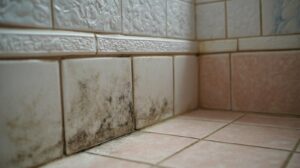
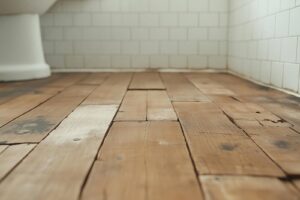
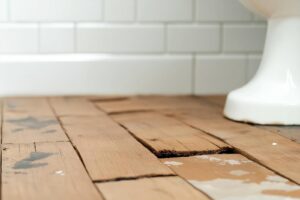
Begin with a detailed damage evaluation, inspecting all affected areas. Look for visible signs of water intrusion, such as stained walls or warped flooring.
Next, utilize moisture detection tools like moisture meters or infrared cameras to identify hidden dampness. These tools help you pinpoint problem areas that may not be immediately visible, ensuring a thorough assessment.
Document your findings meticulously, noting the extent of damage and moisture levels. This documentation will be vital for insurance claims and restoration planning.
Pay special attention to materials that are porous, as they can harbor mold if not properly dried.
Safety Precautions
Before you begin any water damage cleanup, it’s essential to prioritize safety to protect yourself and others. Start by wearing personal protective equipment (PPE) such as gloves, masks, and waterproof boots to shield against contaminants and hazardous materials. Ensure your clothing is durable and appropriate for wet environments.
Next, address electrical safety. Shut off power to affected areas at the circuit breaker to prevent electrocution. Avoid using electrical appliances or devices in wet conditions. If you’re unsure about the safety of the electrical system, consult a licensed electrician before proceeding.
Additionally, be mindful of slip hazards caused by wet surfaces. Keep the area well-ventilated to reduce mold growth and ensure your workspace is organized to avoid accidents.
Water Extraction Techniques
To effectively mitigate water damage, employing the right extraction techniques is crucial. Start by using sump pumps for significant water accumulation. These devices quickly remove standing water, especially in basements or flooded areas, preventing further structural damage.
Be sure to choose a pump with the appropriate capacity for your specific situation.
Once you’ve tackled the bulk of the water, turn to vacuum methods for the remaining moisture. Wet/dry vacuums are particularly useful for extracting water from carpets, upholstery, and hard surfaces.
When using a vacuum, make multiple passes over affected areas to ensure thorough extraction.
Don’t forget to check corners and hidden spaces where water might linger. This methodical approach speeds up the drying process and prepares the area for cleaning and sanitizing later on.
Cleaning and Sanitizing
After successfully extracting water, it’s essential to clean and sanitize the affected areas to prevent mold growth and eliminate contaminants.
Start by wearing protective gear, including masks and gloves. Use a solution of water and a suitable disinfectant to begin disinfecting surfaces. Focus on high-touch areas like doorknobs, light switches, and countertops, as these are prone to harboring pathogens.
For mold prevention, make certain that all surfaces are thoroughly dried before applying any cleaning solutions. Consider using a commercial-grade mold inhibitor after cleaning to further protect your space. Pay special attention to porous materials like drywall and carpet, as they can retain moisture.
Lastly, allow adequate ventilation during the cleaning process. Open windows and use fans to promote airflow, which aids in drying and reduces the risk of mold proliferation.
This methodical approach will help ensure your space remains safe and clean.
Preventing Future Issues
While it’s crucial to clean up after water damage, taking proactive steps to prevent future issues is equally important.
Start by evaluating your property’s drainage solutions. Ensure gutters and downspouts direct water away from your foundation. Regularly inspect these systems to prevent clogs that can lead to overflow.
Next, consider installing moisture barriers in basements or crawl spaces. These barriers can greatly reduce humidity levels, minimizing the risk of mold growth.
Check for any cracks in your home’s foundation and seal them to block water infiltration.
Additionally, maintain proper landscaping by grading the soil away from your home, which encourages water runoff.
Regularly check appliances and plumbing for leaks, addressing any issues immediately.
Frequently Asked Questions
How Long Does the Water Damage Cleanup Process Usually Take?
The water damage cleanup process typically takes 3 to 7 days. You’ll use effective water-extraction techniques and various drying equipment to ensure thorough drying, minimizing potential damage and preventing mold growth.
What Are Common Signs of Hidden Water Damage?
Hidden water damage often shows as mold growth, musty odors, or warped surfaces. Did you know many homes experience some form of water damage? Ignoring these signs can jeopardize your home’s structural integrity.
Should I File an Insurance Claim for Water Damage?
Yes, you should file a claim if your insurance policy covers water damage. Review the claim process carefully, gather documentation, and submit everything promptly to ensure you receive the assistance you need for repairs.
Can I Perform Water Damage Cleanup Myself?
You can tackle DIY cleanup, but prioritize safety precautions. Assess the damage first, wear protective gear, and ensure proper ventilation. If the situation seems overwhelming, don’t hesitate to call in professionals for assistance.
What Types of Professionals Specialize in Water Damage Restoration?
You’ll want to contact water restoration specialists for effective damage assessment and cleanup. These professionals possess the expertise to identify hidden issues, ensuring thorough restoration and minimizing further damage, so your space can return to normal.
Review
So, you’ve navigated the thrilling adventure of water damage cleanup—congratulations! You’ve donned your protective gear like a superhero, wielded your wet/dry vacuum like a pro, and sanitized every nook and cranny. Now, as you sip that cup of coffee with a smug grin, remember: this isn’t just a one-time gig. Keeping your space dry is a full-time job, so stay vigilant. After all, who wouldn’t want to turn their home into a water park again?