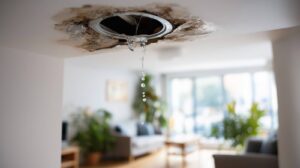
Imagine stepping into a space filled with debris, the air thick with dust and uncertainty. Emergency cleanup isn’t just about restoring order; it involves significant risks that can affect your health and well-being. From exposure to pathogens to the potential for respiratory issues, the dangers are multifaceted. Understanding these risks is essential, especially when the stakes are high and the environment is unpredictable. What can you do to protect yourself in such situations?
Key Takeaways
- Exposure to harmful microorganisms can lead to infections, necessitating the use of personal protective equipment (PPE) to prevent contact.
- Dust, mold, and airborne contaminants may exacerbate respiratory issues, particularly in individuals with chronic conditions like asthma or COPD.
- Hazardous materials pose serious health risks during cleanup, requiring protective gear and proper ventilation to ensure safety.
- Contaminated water sources can lead to significant health issues, emphasizing the need for regular testing and proper disposal of hazardous materials.
- Emotional distress and long-term health complications may arise from trauma and exposure to contaminants, highlighting the importance of thorough cleanup efforts.
Exposure to Pathogens
When you engage in emergency cleanup, it’s important to recognize the potential for exposure to pathogens that can pose serious health risks. Understanding pathogen transmission is significant in these situations, as contaminated surfaces and materials can harbor harmful microorganisms.
As you clean, you risk inhaling or coming into contact with these pathogens, increasing your likelihood of infection.
Effective infection prevention strategies are critical. Always wear appropriate personal protective equipment (PPE), such as gloves and masks, to create a barrier against exposure. Use disinfectants that are proven to eliminate pathogens, and make sure you follow the manufacturer’s instructions for application.
Additionally, practice proper hygiene by washing your hands thoroughly after handling contaminated items.
Respiratory Issues
While addressing pathogen exposure, you must also consider the respiratory issues that can arise during emergency cleanup.
During this process, you’re likely to encounter dust, mold, and other airborne contaminants, which can lead to respiratory infections. These infections can affect anyone, but individuals with pre-existing chronic conditions, such as asthma or COPD, are particularly vulnerable.
You should wear appropriate respiratory protection to mitigate these risks. Even short-term exposure can aggravate existing health issues or lead to new complications.
It’s essential to monitor your breathing and seek medical attention if you experience persistent symptoms like coughing or wheezing.
Chemical Contamination
When you’re involved in emergency cleanup, you may encounter hazardous materials that pose significant risks.
Exposure to these substances can lead to serious long-term health effects, affecting your well-being long after the situation is resolved.
Understanding these dangers is essential for ensuring safety during and after the cleanup process.
Hazardous Material Exposure
Hazardous material exposure during emergency cleanup poses significant risks that can compromise both health and safety. When dealing with hazardous waste from industrial accidents, you must be acutely aware of the potential for chemical contamination.
Even brief contact with these materials can lead to serious health issues, making it vital to prioritize safety protocols. You should always wear appropriate protective gear and ensure proper ventilation in the cleanup area.
Additionally, understanding the specific chemicals involved is important; some may have immediate effects, while others can accumulate over time. By remaining vigilant and informed, you protect yourself and contribute to a safer environment for your team and the community.
Long-term Health Effects
Exposure to hazardous materials during emergency cleanup can lead to significant long-term health effects from chemical contamination. You mightn’t realize it, but prolonged exposure can increase your risk of chronic illnesses, such as respiratory issues, neurological disorders, and even certain cancers.
It’s vital to understand that these risks often manifest years after the initial exposure, making early detection challenging. Implementing preventative measures, like using protective gear and following safety protocols, can drastically reduce your risk.
Engaging in community awareness programs can also help foster a sense of belonging, as you share knowledge and resources with others. By staying informed and proactive, you can protect your health and the well-being of your community.
Skin Irritation and Infections
During emergency cleanup, you face significant risks of skin irritation and infections due to chemical exposure.
Inadequate protective gear can exacerbate these issues, leaving your skin vulnerable to harmful substances.
It’s essential to understand the importance of proper equipment and safety protocols to minimize these health risks.
Chemical Exposure Risks
When tackling emergency cleanup, you may encounter various chemicals that pose significant risks to your skin.
It’s essential to follow chemical safety protocols and conduct an exposure assessment to minimize these risks.
Here are three key chemical exposure risks you should be aware of:
Skin Irritation: Many chemicals can cause rashes or burning sensations upon contact, leading to discomfort and further complications.
Allergic Reactions: Some substances may trigger allergic responses, resulting in swelling, redness, or even blisters.
Infections: Open skin from irritation can become an entry point for bacteria, increasing the risk of infections.
Inadequate Protective Gear
Inadequate protective gear can greatly increase your risk of skin irritation and infections during emergency cleanup. When you don’t wear proper protective equipment, your skin becomes vulnerable to hazardous materials, bacteria, and other contaminants.
This exposure can lead to rashes, allergic reactions, or even severe infections, which can complicate your recovery process. Following safety protocols is essential; they’re designed to minimize these risks and ensure your well-being.
Always make sure you’re equipped with gloves, long sleeves, and other appropriate gear before starting any cleanup. Remember, investing in the right protective equipment isn’t just about compliance; it’s about protecting yourself and fostering a safe environment for everyone involved.
Prioritizing your safety builds trust within your team and promotes a culture of care.
Risk of Mold Growth
Although emergency cleanups aim to restore safety and order, they can inadvertently create ideal conditions for mold growth if not executed properly.
If you’re involved in an emergency cleanup, it’s essential to be aware of mold risks and implement effective mold prevention strategies. Here are three key points to take into account:
Moisture Control: Make certain that all surfaces are thoroughly dried within 24-48 hours to prevent mold spores from settling.
Ventilation: Improve airflow in affected areas to reduce humidity levels, which discourages mold growth.
Proper Cleanup: Use appropriate mold remediation techniques, like HEPA vacuuming and chemical treatments, to eliminate spores and prevent recurrence.
Environmental Hazards
When you engage in emergency cleanup, you’ll encounter significant environmental hazards that can affect your health and safety.
Contaminated water sources, poor air quality, and soil pollution are critical concerns that demand your attention. Understanding these risks will help you implement effective measures to mitigate potential harm.
Contaminated Water Sources
Contaminated water sources pose significant environmental hazards, especially during emergency cleanup efforts.
You need to understand the potential risks associated with these contamination sources to protect both yourself and your community.
Here are three key points to evaluate:
Health Risks: Contaminated water can lead to serious health issues, affecting vulnerable populations more drastically.
Ecosystem Damage: Polluted water sources disrupt local ecosystems, harming wildlife and plant life, which can take years to recover.
Water Testing: Regular water testing is essential to identify contaminants early, ensuring that affected areas receive timely remediation.
Air Quality Concerns
Air quality concerns during emergency cleanup efforts can greatly impact public health and safety. You may not realize that indoor pollutants often increase during these operations, posing serious risks.
As cleanup crews disturb contaminated materials, particles can become airborne, infiltrating your home or workplace. It’s vital to ensure your ventilation systems are functioning properly; they help filter out harmful contaminants and maintain a healthier indoor environment.
If ventilation is inadequate, pollutants can accumulate, exacerbating respiratory issues and other health problems. By monitoring air quality and addressing potential hazards promptly, you can help safeguard your community’s well-being during these critical cleanup efforts.
Staying informed and proactive is essential, fostering a collective commitment to health and safety for all.
Soil Pollution Risks
While emergency cleanup efforts are essential for restoring safety, they can inadvertently lead to soil pollution that poses significant environmental hazards.
It’s vital to understand these risks to mitigate negative impacts effectively. Here are three key concerns:
Contaminant Spread: Cleanup agents might disperse pollutants deeper into the soil, complicating future remediation efforts.
Ineffective Remediation: Without proper soil remediation strategies, residual pollutants can persist, affecting plant growth and local ecosystems.
Monitoring Gaps: Inadequate pollution monitoring techniques can overlook emerging threats, allowing soil degradation to continue unnoticed.
Psychological Effects
Emergency cleanup can trigger significant psychological effects that may not be immediately apparent. After such events, you might experience emotional distress, which can manifest as anxiety, sadness, or anger. These feelings can stem from the chaos of the situation and the disruption of your sense of safety and normalcy.
Many people develop trauma responses, which can include flashbacks, heightened alertness, or avoidance behaviors. You might find it challenging to engage in daily activities, as reminders of the event can provoke intense emotional reactions.
Understanding these psychological impacts is essential for fostering a supportive environment where you can feel connected to others who share similar experiences.
Seeking professional help, talking with friends, or joining support groups can mitigate these effects. Remember, acknowledging your feelings and seeking support is an important step toward healing and regaining your sense of belonging.
Incomplete Cleanup Consequences
When the cleanup after an emergency is incomplete, it can lead to a range of serious consequences that extend beyond the immediate physical environment. You mightn’t realize that the ramifications can include:
Environmental Damage: Improper disposal of hazardous materials can contaminate soil and water, affecting local ecosystems and public health.
Health Risks: Insufficient training of cleanup crews may result in exposure to harmful substances, putting both workers and the community at risk.
Legal Repercussions: Failing to adhere to proper cleanup protocols can lead to lawsuits or fines, which ultimately strain community resources.
These issues highlight the importance of thorough and proper cleanup.
It’s vital to ensure that those involved are adequately trained and that waste is disposed of correctly to protect both the environment and the community’s well-being.
Long-term Health Complications
Although the immediate effects of an incomplete cleanup may be visible, the long-term health complications can be far more insidious. You mightn’t notice the gradual decline in your health until it’s too late. Exposure to contaminants can lead to chronic illnesses that silently take root in your body.
These unseen repercussions can strain your immune system, making you more susceptible to infections and other health issues. Over time, the toxins left behind can trigger respiratory problems, autoimmune disorders, or even neurological conditions.
You may feel fatigued, experience unexplained aches, or suffer from persistent headaches. These symptoms could easily be dismissed as stress or fatigue, but they might signal deeper health concerns linked to inadequate cleanup.
It’s vital to recognize that the consequences of rushing through emergency cleanup can linger long after the initial crisis, impacting your health and your overall quality of life.
Prioritizing thorough cleanup is essential for your long-term well-being.
Legal and Financial Risks
Neglecting a thorough cleanup not only jeopardizes your health but can also expose you to significant legal and financial risks.
If you skip proper procedures, you may face serious consequences, including:
Liability Concerns: Failing to address hazards can make you liable for injuries or damages, affecting your reputation and finances.
Insurance Implications: Incomplete cleanup might lead to denied claims or increased premiums, leaving you financially vulnerable in the event of future incidents.
Regulatory Penalties: Non-compliance with local health and safety regulations can result in fines or legal action, compounding your financial burden.
It’s essential to reflect on these factors when managing an emergency cleanup.
Ensuring thorough, compliant practices protects your health and safeguards your financial future and peace of mind.
Frequently Asked Questions
What Types of Protective Gear Are Recommended During Cleanup?
During cleanup, you should wear protective clothing like gloves and coveralls, along with respiratory equipment such as masks or respirators. This gear helps ensure your safety, minimizing exposure to harmful substances in the environment.
How Can I Ensure Proper Disposal of Hazardous Waste?
To ensure proper disposal of hazardous waste, familiarize yourself with local guidelines. Adhere to disposal regulations and collaborate with certified disposal facilities, ensuring safety and compliance throughout the process for everyone’s benefit.
Are There Specific Certifications for Emergency Cleanup Professionals?
Yes, there are specific certifications for emergency cleanup professionals. You should look for certification requirements that include specialized cleanup training, ensuring you have the necessary skills and knowledge to handle hazardous situations effectively and safely.
What Should I Do if I Experience Symptoms After Cleanup?
If you feel any symptoms after cleanup, swiftly seek symptom assessment. Prioritize health monitoring, and consult a healthcare professional for guidance. It’s essential to ensure your well-being and connect with others experiencing similar situations.
How Can I Prepare My Home for Future Emergencies?
You can prepare your home for future emergencies by establishing a thorough emergency planning strategy. Prioritize home safety by securing supplies, creating evacuation routes, and regularly reviewing your plans with family to enhance readiness and resilience.
Conclusion
In emergency cleanup, the risks you face are significant and multifaceted, from exposure to harmful pathogens to the potential for long-term health complications. Have you considered how even a small oversight can lead to serious legal and financial consequences? It’s vital to prioritize thorough and safe cleanup practices to protect not just your health, but also the environment and community. By addressing these risks proactively, you can ensure a more secure recovery and a healthier future.