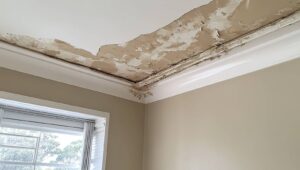
Like a sturdy dam holding back a raging river, implementing flood damage prevention strategies is essential for safeguarding communities and infrastructure. These proactive measures reduce economic losses and protect lives from the devastation floods can cause. By understanding flood risks and enhancing preparedness, you can play a significant role in creating more resilient environments. But what specific strategies make the most impact, and how can you ensure their effectiveness?
Key Takeaways
- Implementing flood damage prevention strategies reduces economic losses by minimizing property damage and repair costs during flooding events.
- Early detection systems enhance preparedness, allowing communities to respond promptly and save lives during flood emergencies.
- Effective landscape management techniques, such as rain gardens, improve water absorption and reduce soil erosion, mitigating flood risks.
- Community engagement fosters collective responsibility and increases awareness of flood risks, leading to better preparedness and resilience.
- Insurance coverage tailored to flood risks provides critical financial protection, ensuring recovery from flood-related damages is feasible for affected individuals.
Understanding Flood Risks
Understanding flood risks is essential, especially if you live in an area prone to heavy rainfall or near bodies of water. You should familiarize yourself with flood zones, which are designated areas that indicate the likelihood of flooding. By understanding these classifications, you can make informed decisions about your property and personal safety.
Conducting a thorough risk assessment will help you identify your vulnerability to flooding and understand the potential impact on your home and community. It’s vital to analyze historical data and local flood patterns, as these factors play a significant role in predicting future risks.
Additionally, engaging with your neighbors and local authorities can foster a sense of belonging and collective responsibility in addressing flood preparedness. By being proactive and informed, you can take steps to mitigate risks, ensuring the safety of your family and community during flood events.
Importance of Early Detection Systems
As flood risks become increasingly apparent, the implementation of early detection systems emerges as an essential tool in mitigating potential damage. These systems rely on advanced flood monitoring technologies that collect real-time data on weather patterns, river levels, and soil saturation.
By integrating innovative technology, you can access timely alerts that empower you to take proactive measures, protecting your community and property.
Research shows that areas equipped with early detection systems experience considerably less damage compared to those without. This proactive approach saves lives and reduces economic losses.
When you engage with early detection systems, you’re fostering a sense of belonging within your community, as everyone plays a role in safety. The technology integration enhances communication, ensuring that crucial information flows efficiently among residents and emergency services.
Effective Landscape Management Techniques
Effective landscape management techniques, such as selecting native plants and installing rain gardens, can greatly reduce flood damage risk.
By choosing native plants, you enhance soil stability and promote biodiversity, which helps absorb excess rainwater.
Meanwhile, rain gardens can effectively manage runoff, directing water away from structures and into the ground where it can be naturally filtered.
Native Plant Selection
Selecting native plants for your landscape can greatly enhance flood damage prevention efforts.
Native plants provide numerous benefits, including improved water absorption and reduced soil erosion. Their deep-root systems effectively stabilize soil, allowing more rainwater to infiltrate rather than run off, which can minimize flooding risks.
Additionally, these plants are adapted to local conditions, requiring less maintenance and fewer resources compared to non-native species. By incorporating native flora, you contribute to ecosystem restoration, creating habitats for local wildlife and promoting biodiversity.
This approach fosters a sense of community as you join others in preserving the environment. Embracing native plant selection strengthens your landscape and supports a healthier, more resilient ecosystem for everyone.
Rain Garden Installation
Incorporating native plants into your landscape sets the stage for implementing effective flood management techniques, such as rain garden installation.
Rain gardens enhance aesthetics and provide significant environmental benefits. Here are four key rain garden benefits:
Soil Absorption: They improve soil absorption, allowing water to seep into the ground instead of running off into storm drains.
Pollution Reduction: Rain gardens filter pollutants from runoff, improving water quality in nearby streams and rivers.
Biodiversity Support: They create habitats for local wildlife, promoting biodiversity in your area.
Flood Mitigation: By managing excess rainwater, they reduce the risk of flooding on your property.
Implementing Flood Barriers and Retention Systems
While natural disasters can’t be entirely prevented, implementing flood barriers and retention systems can greatly mitigate their impact on communities.
You’ll find that flood barrier types, such as levees, flood walls, and temporary barriers, each serve specific purposes depending on the area’s needs. By selecting the right type, you can markedly reduce the risk of water intrusion into vulnerable zones.
Retention systems, including ponds and basins, play an essential role in managing excess rainfall. They help control stormwater runoff, allowing for gradual infiltration and reducing peak flow rates.
The benefits of these systems extend beyond mere flood prevention; they can enhance local ecosystems and provide recreational spaces for the community.
Regular Maintenance of Gutters and Drains
To prevent flood damage, keeping your gutters clean is crucial.
Clogged gutters can lead to overflow, causing water to pool around your home and increasing flood risks.
Regularly inspecting your drainage systems ensures they function properly, reducing the likelihood of costly water damage.
Importance of Clean Gutters
When it comes to flood damage prevention, maintaining clean gutters and drains is essential. Regular gutter maintenance and effective debris removal can considerably reduce water buildup, preventing potential flooding.
Here are four reasons why clean gutters matter:
Water Flow: Clear gutters ensure proper water flow, directing rainwater away from your home.
Structural Integrity: Clogged gutters can lead to water damage on roofs and walls, jeopardizing your home’s structure.
Pest Control: Clean gutters deter pests that thrive in stagnant water, like mosquitoes and rodents.
Cost Savings: Routine maintenance can save you money by avoiding expensive repairs caused by flood damage.
Inspecting Drainage Systems Regularly
Maintaining clean gutters is just one piece of the puzzle in flood damage prevention; inspecting your drainage systems regularly is equally important.
A thorough drainage system analysis helps identify potential blockages or weaknesses that can lead to flooding. By conducting routine water flow assessments, you can ensure that water flows efficiently away from your property.
This proactive approach mitigates risks and strengthens your community’s resilience to flooding. Collaborating with local experts can enhance your understanding of drainage needs, fostering a sense of belonging within your neighborhood.
Community Engagement and Preparedness Plans
While effective flood damage prevention relies heavily on infrastructure, community engagement and preparedness plans play an essential role in fostering resilience among residents.
By actively participating in these initiatives, you can help create a more cohesive and prepared community. Here are some key strategies to take into account:
Community Workshops: Organize regular workshops to educate residents on flood risks and prevention techniques.
Emergency Drills: Conduct drills to ensure everyone knows their role during a flood event, enhancing coordination and response times.
Local Task Forces: Form groups dedicated to flood preparedness, allowing residents to collaborate on strategies and share resources.
Communication Channels: Establish reliable communication networks to disseminate timely information before, during, and after a flood.
Educating Homeowners on Insurance Options
How well do you understand your insurance options in the face of potential flood damage? Many homeowners overlook the significance of selecting appropriate insurance policy options that can safeguard their investments.
It’s crucial to familiarize yourself with the types of coverage available, including standard homeowners insurance, which typically excludes flood damage, and specialized flood insurance policies that can provide critical financial protection.
When reviewing your options, pay close attention to coverage limits. These limits dictate the maximum amount your insurer will pay for flood-related losses. Verify that your policy aligns with the potential risks in your area; a one-size-fits-all approach often falls short.
Engaging with your insurance agent can clarify any uncertainties and help you tailor a policy that meets your specific needs.
Long-term Urban Planning and Infrastructure Development
Effective long-term urban planning and infrastructure development are essential for mitigating flood risks and enhancing community resilience. By prioritizing sustainable development, you can create a safer environment for everyone.
Here are four strategies to take into account:
Green Infrastructure: Implementing rain gardens and permeable pavements helps absorb excess rainwater, reducing flood risks.
Floodplain Zoning: Designating flood-prone areas for parks or open spaces can minimize damage and enhance urban resilience.
Stormwater Management: Investing in efficient drainage systems can prevent overflow and maintain water flow during heavy rains.
Community Engagement: Involving residents in planning ensures the strategies meet local needs and fosters a sense of belonging.
These approaches protect against floods and contribute to a more sustainable and resilient urban landscape.
Frequently Asked Questions
How Do I Choose the Right Flood Insurance Policy?
To choose the right flood insurance policy, start with a policy comparison. Assess coverage options based on your property’s risk, value, and potential damages, ensuring you select a plan that truly fits your needs and budget.
What Are the Costs Associated With Flood Prevention Strategies?
Flood prevention costs can vary greatly, so conducting a careful cost analysis is essential. You’ll need to evaluate flood risk assessments, infrastructure improvements, and maintenance expenses to effectively manage your community’s long-term financial commitments.
Can Flood Prevention Measures Increase Property Value?
Yes, flood prevention measures can increase property value. By implementing property upgrades aligned with market trends, you enhance safety and attract buyers who prioritize resilience, ultimately boosting your investment’s appeal and value.
Are There Government Grants for Flood Prevention Projects?
Oh sure, because who wouldn’t want free money? Yes, there are federal funding opportunities and local initiatives aimed at flood prevention. Look into grants that can help you safeguard your property and community effectively.
How Do I Engage My Community in Flood Preparedness?
You can engage your community in flood preparedness by organizing community workshops and forming local partnerships. Share resources, create awareness campaigns, and foster collaboration to build a strong network focused on flood resilience and safety together.
Conclusion
Incorporating flood damage prevention strategies isn’t just a good idea; it’s a lifeline for your community’s future. By embracing early detection, robust landscape management, and ongoing maintenance, you’re not merely reducing risks; you’re crafting a fortress against devastation. Imagine a world where floods are mere whispers of the past, thanks to your proactive efforts! With community engagement and education, you’re not just safeguarding homes—you’re building a resilient legacy for generations to come. Don’t wait; act now!