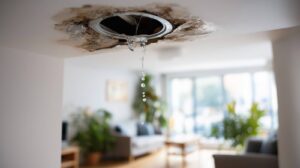
When faced with a sewage backup, it’s essential to approach the situation methodically. Start by evaluating the area to ensure your safety and that of others. Equip yourself with the necessary protective gear to handle any hazardous materials. Then, pinpoint the source of the backup cleanup to effectively address the issue. Understanding these initial steps is important, but there’s more to reflect on as you work through the cleanup process. What comes next can considerably impact the outcome.
Key Takeaways
- Conduct a thorough risk assessment and wear appropriate safety gear to protect against hazards during the cleanup process.
- Identify the source of the sewage backup by inspecting plumbing systems and recognizing visible signs of overflow.
- Use a wet/dry vacuum to effectively remove standing water, ensuring maximum moisture extraction.
- Disinfect all affected surfaces with suitable disinfectants and maintain humidity levels below 60% to prevent mold growth.
- Document each cleanup process with detailed records and checklists to improve future procedures and address recurring issues.
Assessing the Situation and Safety Precautions
Before you plunge into backup cleanup, it’s vital to assess your current situation and implement safety precautions. Start by conducting a thorough risk assessment; identify any potential hazards in your environment. You need to recognize the type of materials involved and determine their toxicity level.
Once you’ve evaluated the risks, equip yourself with appropriate safety gear. Wear gloves, masks, and protective eyewear to shield yourself from harmful substances. Make certain you’re also wearing sturdy, waterproof boots to protect your feet from contamination.
Next, it’s important to inform others in your vicinity about the cleanup to ensure their safety as well. Establish a safe zone away from the affected area, allowing you to work without unnecessary distractions.
Identifying the Source of the Sewage Backup
How can you effectively pinpoint the source of a sewage backup? Start by inspecting the affected areas, looking for visible signs of sewage sources, like overflowing toilets or drains.
Next, trace the plumbing system to identify where the backup occurs. You might notice that certain fixtures back up while others remain clear; this can help narrow down the issue.
Check for any blockages in the main sewer line or lateral lines, as these are common culprits in sewage backups. Use a plumbing snake or camera to facilitate backup identification, allowing you to see obstructions within the pipes.
Additionally, consider environmental factors, such as heavy rainfall or nearby construction, which might contribute to the problem.
Proper Removal and Cleanup Techniques
Effective removal and cleanup techniques are essential in mitigating the health risks associated with sewage backups.
To take into account a thorough and safe process, you’ll want to follow specific methods and utilize the right cleanup equipment. Here are three key removal techniques to contemplate:
Safety First: Always wear protective gear, including gloves and masks, to prevent exposure to harmful pathogens.
Water Extraction: Use a wet/dry vacuum to efficiently remove standing water, making sure you eliminate as much moisture as possible.
Debris Disposal: Properly dispose of contaminated materials, such as carpets and drywall, following local regulations to prevent further contamination.
Disinfection and Mold Prevention
After completing the removal and cleanup process, the next step is to focus on disinfection and mold prevention to safeguard your environment.
Mold growth can occur quickly in damp areas, so it’s essential to act swiftly. Start by using a suitable disinfectant on all surfaces, especially in previously affected areas. Make sure you thoroughly scrub surfaces to eliminate any remaining spores.
To prevent future issues, consider implementing several prevention methods. Keep humidity levels below 60% by using dehumidifiers and ensuring proper ventilation in your space.
Regularly inspect areas prone to dampness, such as basements and bathrooms, and address leaks immediately. Seal any cracks or gaps where moisture can enter.
Documenting the Cleanup Process for Future Reference
While you may feel the immediate pressure of completing the cleanup, documenting the process is essential for future reference and continuous improvement.
By keeping accurate records, you help yourself and your team in understanding what worked and what didn’t during the backup cleanup.
Consider these key elements to include in your documentation:
Backup Logs: Record the details of each backup, including dates and any anomalies encountered.
Cleanup Checklist: Maintain a checklist that outlines each step taken during the cleanup, serving as a reliable guide for future efforts.
Lessons Learned: Note any challenges and solutions discovered during the process; this knowledge will be invaluable for refining your approach.
Frequently Asked Questions
How Often Should I Perform Backup Cleanup Procedures?
You should perform backup cleanup procedures regularly, ideally every month. Establish a cleanup schedule that aligns with your backup frequency, ensuring you maintain ideal storage while minimizing risks of data overload or loss.
What Tools Are Essential for Effective Backup Cleanup?
You need reliable backup software and robust cleanup automation tools. Think of them as your digital garden tools, helping you prune unnecessary data, ensuring your data landscape flourishes, and fostering a sense of safety and belonging.
Can I Handle Sewage Backup Cleanup Myself?
You can tackle sewage backup cleanup yourself, but it’s vital to assess the severity first. Proper protective gear and sanitation practices are necessary for safety. If it’s extensive, consider calling professionals to ensure a thorough cleanup.
What Are the Health Risks Associated With Sewage Backups?
Sewage contamination’s like a hidden venom; it carries severe health hazards. When you expose yourself, you’re risking infections, respiratory issues, and gastrointestinal diseases. Always prioritize safety and consult professionals for cleanup to protect your well-being.
How Do I Prevent Future Sewage Backups in My Home?
To prevent future sewage backups in your home, implement preventive measures such as regularly maintaining your plumbing, inspecting pipes for clogs, avoiding flushing inappropriate items, and scheduling professional cleanings to ensure optimal system function.
Final Thoughts
Tackling a sewage backup is like maneuvering through a minefield; one misstep can lead to bigger problems. By evaluating the situation, identifying the source, employing proper cleanup techniques, thoroughly disinfecting, and documenting every action, you resolve the immediate issue and fortify yourself against future incidents. Remember, a systematic approach ensures safety and efficiency, transforming a challenging task into a manageable process that safeguards your environment and well-being.