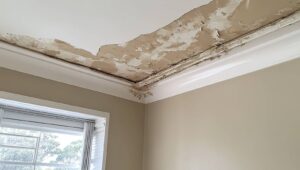
Stormwater Intrusion Cleanup is essential when stormwater enters your basement, as the damage can escalate quickly. You need to make the space safe, block any additional water intrusion, and remove standing water before it saturates flooring, walls, and other materials. Next, thoroughly dry the structure and inspect for hidden moisture, mold growth, or structural damage that can remain long after the surface appears clean. Prompt Stormwater Intrusion Cleanup helps minimize repair costs and protects your home from long-term issues.
Key Takeaways
- Ensure the basement is safe: cut power if needed, wear protective gear, and avoid entry if structural damage is visible.
- Stop more water from entering by sealing gaps, using sandbags, and checking downspouts, window wells, and sump pump function.
- Remove standing water and mud quickly with pumps, wet/dry vacuums, shovels, and plastic scrapers.
- Dry the basement fast using fans, open windows, dehumidifiers, and lifted items to improve airflow.
- Inspect for mold and damage, clean small mold areas, and call a professional for extensive contamination or structural issues.
Make the Basement Safe First
Before you start cleaning, make sure the basement is safe to enter. You should cut power to the area if water reached outlets or appliances, then check for gas odors and structural damage before stepping down.
Wear safety equipment like rubber boots, gloves, a mask, and eye protection so you can work without injury. Open windows if the air feels stale, but don’t enter if you see sagging ceilings, loose beams, or active electrical hazards.
Remove people and pets from the space until you’ve confirmed conditions are stable. Keep a flashlight, phone, and first aid kit nearby.
This first pass supports flood prevention by helping you avoid repeat exposure to hazards while you prepare the basement for cleanup with your crew or family.
Stop Stormwater Intrusion Fast
Once the basement is safe to enter, stop more stormwater from getting in right away. Close doors, seal the exterior entry point with plastic sheeting, and direct runoff away from the foundation with temporary drainage solutions like sandbags or a hose extension.
Check downspouts, window wells, and crawlspace vents for gaps, then block them with weatherproof tape or rigid covers. If you’ve got a sump pump, confirm it’s running and that the discharge line sends water well away from the house.
Use quick waterproofing techniques, such as hydraulic cement for small cracks or silicone sealant for active seepage paths. Keep exterior grading from sloping toward the wall.
When you act fast, you protect your space and help your whole household stay steady together.
Remove Standing Water and Mud
Start pumping out standing water as soon as it’s safe, using a submersible pump, wet/dry vacuum, or mop for smaller pools. Move methodically from the lowest point to the exit so you’re not tracking sludge back in.
Choose water extraction methods that match the volume: pump deep water, vacuum shallow water, and squeegee residue toward a drain or bucket.
Once the water drops, use mud removal techniques that keep debris controlled: shovel thicker deposits into bags, then scrape the remaining silt with a plastic blade.
Wear gloves and boots, and keep a trash can or heavy-duty bags nearby so you can work with your crew rhythm.
Remove contaminated mud promptly; don’t spread it across clean areas. Finish by collecting all waste and rinsing tools outside.
Dry the Basement Walls and Floors
After you’ve removed the standing water and mud, dry the basement surfaces right away to stop moisture from soaking deeper into framing, drywall, and concrete.
Open windows if weather is dry, run fans to move air across walls and floors, and keep the air path clear. Use dehumidifier usage to pull humidity down fast; empty the tank or drain it continuously so it keeps working.
If you have rugs, boxes, or movable panels, lift them off the slab and separate wet items so air can reach all sides. Wipe pooled water from corners, seams, and baseboards.
If you’re using moisture barriers later, make sure the surface is dry and clean first. Stay consistent for several days so your basement dries evenly and your crew can keep the space safe.
Inspect for Hidden Mold and Damage
Even when surfaces look dry, hidden mold and water damage can still develop behind baseboards, under insulation, inside drywall, and along framing.
You should inspect these areas closely for staining, peeling paint, warping, or a musty odor. Use a flashlight and screwdriver to check soft spots and swollen materials. Pull back insulation where needed and look for condensation or trapped debris.
If you find visible growth, clean small areas promptly and replace porous materials that stay damp. Track humidity and keep airflow steady, because moisture control supports mold prevention.
When damage extends beyond a small area, call a qualified restoration professional.
Frequently Asked Questions
How Can I Tell if Floodwater Contaminated My Basement Appliances?
Check for floodwater indicators like mud lines, silt, rust, musty odor, and water inside panels. Unplug appliances, inspect cords and motors, and verify appliance safety before restoring power or using them again.
Should I File an Insurance Claim Before Cleanup Begins?
Yes—you should file the insurance claim before cleanup begins, ironically while the damage’s still obvious. You’ll protect insurance coverage, document losses, and set cleanup priority correctly. Don’t discard anything until your adjuster approves removal.
When Is It Safe to Restore Basement Electricity?
You can restore basement electricity only after a licensed electrician confirms electrical safety and you’ve completed a moisture assessment. Wait until all outlets, panels, wiring, and walls are completely dry, then test circuits gradually.
Can Stormwater Damage Foundation Insulation Permanently?
Yes, stormwater can permanently ruin foundation insulation. When wet insulation coincides with hidden mold or compression, you’ll need insulation replacement to protect foundation integrity. Dry it fast, inspect closely, and you’ll keep your basement trusted and safe.
What Should I Document for Future Repair or Insurance Records?
Document everything: date, water depth, affected materials, photos, moisture readings, cleanup steps, damage assessment, and repair estimates. Keep receipts, contractor reports, and insurer communications. You’ll strengthen claims and track repairs with confidence.
Summary
When stormwater hits your basement, act fast, but don’t rush blindly. You protect yourself first, then protect the space: gear on, power checked, hazards cleared. Next, block the water, pump out the mess, and dry every surface. What was soaked can become stable again, but only if you inspect for hidden mold and damage. A wet basement looks chaotic; a dry, cleaned, checked basement gives you control.