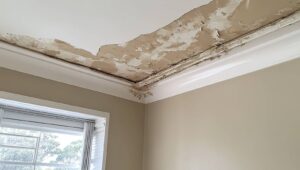
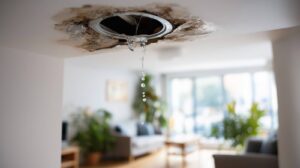
Imagine standing in a room where the air is thick with the musty scent of dampness and decay, a stark reminder of the sewage backup that’s disrupted your life. Tackling this backup cleanup yourself can seem overwhelming, yet it offers a chance to reclaim your space and save money. However, it’s vital to understand the risks and the essential steps to ensure your safety and health. What should you consider before diving in?
Key Takeaways
- Tackling your own backup cleanup can save you money on professional services while ensuring immediate attention to the issue.
- It allows you to familiarize yourself with your plumbing system, helping prevent future backups through regular maintenance.
- Performing the cleanup yourself gives you complete control over the safety measures and disposal methods used during the process.
- Engaging in DIY cleanup can be a valuable learning experience, enhancing your knowledge of home safety and hygiene practices.
- You’ll be able to address any potential mold and mildew growth promptly, protecting your family’s health from contaminants.
Understanding the Risks of Sewage Backup
While you might think sewage backups are rare, understanding their risks is vital for any homeowner. Sewage health risks are substantial, as contaminants can lead to serious illnesses.
Bacteria, viruses, and parasites lurking in sewage can pose severe threats to your family’s health. When a backup occurs, these harmful substances can easily infiltrate your living space, creating an environment ripe for infection.
Implementing backup prevention strategies is essential to avoid these dangerous scenarios. Regularly inspecting your plumbing system, maintaining clean drainage pathways, and avoiding flushing inappropriate items can greatly reduce your risk.
Additionally, installing backflow valves can provide an added layer of protection against potential backups.
Essential Safety Precautions to Follow
When dealing with a sewage backup, wearing protective gear is essential to safeguard yourself from hazardous materials.
Additionally, make sure you’ve backed up important files before starting any cleanup, as this will help prevent data loss during the process.
Wear Protective Gear
Wearing protective gear is an essential step in ensuring your safety during backup cleanup tasks.
By taking this precaution, you safeguard yourself and foster a culture of responsibility and care within your workspace.
Here are three critical items to evaluate:
- Protective gloves: These shield your hands from sharp objects and harsh chemicals, preventing injuries or skin irritations.
- Safety goggles: Protect your eyes from dust and debris, which can cause serious damage while you’re focused on your cleanup.
- Dust masks: These help filter out harmful particles, ensuring you breathe clean air during the process.
Backup Important Files
Backing up important files is a critical step in safeguarding your data during cleanup operations.
Start by organizing your files methodically; categorize documents, photos, and projects into distinct folders. This enhances file organization and streamlines data retrieval when needed.
Use reliable backup solutions, such as cloud storage or external drives, ensuring multiple copies exist. Regularly update these backups to include your latest work, preventing potential data loss.
Additionally, consider implementing version control—this way, you can revert to previous file states if necessary.
Tools and Supplies You’ll Need for Cleanup
Effective backup cleanup requires a strategic selection of tools and supplies to streamline the process.
To achieve an efficient cleanup, you’ll want to gather some essential cleanup tools and necessary supplies. Here’s a list to help you get started:
- Protective Gear: Gloves, masks, and safety goggles to keep you safe during the cleanup.
- Cleaning Agents: Disinfectants and detergents that effectively neutralize contaminants in the backup area.
- Cleaning Equipment: Mops, buckets, and wet/dry vacuums for thorough and efficient cleanup.
Step-by-Step Sewage Backup Cleanup Process
Before you start the sewage backup cleanup, it’s vital to prioritize safety precautions to protect yourself from harmful contaminants.
Once you’ve ensured your safety, gather the essential cleanup supplies to effectively manage the situation.
Finally, understanding proper disposal methods will help you comply with regulations and maintain a sanitary environment.
Safety Precautions First
When dealing with a sewage backup, taking safety precautions is critical to protect yourself and your home. Ignoring safety protocols can expose you to serious health hazards.
Here’s what you should prioritize before starting cleanup:
- Wear protective gear: Use gloves, masks, and waterproof boots to shield yourself from contaminants.
- Ventilate the area: Open windows and doors to minimize exposure to harmful fumes.
- Shut off utilities: Confirm that electricity and gas are turned off to prevent accidents.
Essential Cleanup Supplies
Having the right supplies on hand is vital for an effective sewage backup cleanup. Start by gathering cleanup materials, such as heavy-duty gloves, masks, and protective eyewear, to ensure your safety.
You’ll also need buckets and mops to handle the water and debris. Sanitation supplies, such as disinfectants and biohazard bags, are essential for cleaning and disposing of contaminated items.
Don’t forget absorbent materials like towels and rags to soak up any residual moisture. A shop vacuum can be invaluable for removing excess water efficiently.
Finally, make sure you have a reliable first aid kit available. With these vital supplies, you’ll be well-prepared to tackle the cleanup process and restore your space to a clean, safe environment for everyone.
Proper Disposal Methods
Proper disposal of contaminated materials is essential in the aftermath of a sewage backup to ensure safety and prevent health risks.
Following a methodical approach ensures you handle hazardous materials responsibly and protect your environment. Here are the key steps for proper disposal:
- Separate recyclable waste: Identify any materials that can be recycled, such as certain plastics or metals, and set them aside.
- Dispose of hazardous materials: Safely package and label items like contaminated textiles and chemicals, then take them to a designated hazardous waste facility.
- Follow local guidelines: Check your local regulations on disposal to ensure compliance and community safety.
Dealing With Mold and Mildew After Cleanup
Although you may have completed the initial cleanup, it’s essential to address any lingering mold and mildew issues to prevent further damage and health risks.
To start, inspect areas prone to moisture, like basements and bathrooms. Look for discoloration or a musty smell, which often indicates mold growth.
For effective mildew treatment, use a solution of water and vinegar or a commercial cleaner specifically designed for mold. Scrub surfaces thoroughly, ensuring you reach hidden spots.
Once cleaned, dry the area completely to inhibit future growth.
Implement mold prevention strategies by improving ventilation and using dehumidifiers in damp spaces. Regularly check for leaks and address them promptly.
When to Call in Professional Help
When should you consider calling in professional help for mold and mildew issues?
It’s vital to recognize when the problem exceeds your ability to manage it safely and effectively. Here are three scenarios where professional services may be necessary:
- Extensive Growth: If you notice mold covering larger areas or in hard-to-reach places, it’s time to call in experts who can handle the situation without risking exposure.
- Health Concerns: If you or your family members are experiencing health issues, such as respiratory problems, it’s important to seek professional help to ensure a safe environment.
- Persistent Problems: If mold and mildew keep returning despite your cleanup efforts, professionals can identify underlying causes and provide long-term solutions.
Frequently Asked Questions
How Often Should I Perform Backup Cleanup Maintenance?
You should perform backup cleanup maintenance every month. Regularly review your backup frequency and use a maintenance checklist to ensure all data is up to date, optimizing storage while preventing clutter and ensuring efficient data management.
What Are the Signs of a Potential Sewage Backup?
Are you noticing strange sewage odors or persistent drainage issues? If so, these signs may indicate a potential sewage backup. It’s vital to address them promptly to prevent further complications and ensure your home’s safety.
Can I Use Bleach for Sewage Backup Cleanup?
You can use bleach for sewage backup cleanup, but ensure you follow safety precautions. While bleach effectiveness is high, it’s essential to wear protective gear and ventilate the area to avoid harmful fumes and exposure.
How Do I Dispose of Contaminated Materials Safely?
To safely dispose of contaminated waste, seal materials in plastic bags, label them clearly, and follow local guidelines for hazardous waste. Ascertain you’re protecting yourself and your community by handling disposal responsibly.
Are There Insurance Options for Sewage Backup Damages?
Yes, you’ve got options for sewage backup damages. Look for sewage insurance policies that offer extensive backup coverage. Evaluating your choices can protect your home and provide peace of mind when disasters strike unexpectedly.
Final Thoughts
Tackling your own backup cleanup can feel like charting a stormy sea, but with the right preparation, you can steer your ship to calmer waters. By understanding risks, wearing protective gear, and following a detailed cleanup process, you’re not just reclaiming your space; you’re fortifying your home against future threats. Remember, while self-cleaning can be empowering, know when to call in the professionals—sometimes, it’s wise to let the experts handle the tempest.