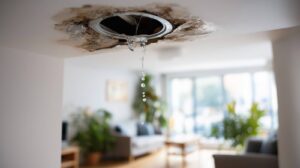
If stormwater has entered your basement, you’re dealing with more than a wet floor. You need to remove standing water fast, dry walls and contents, and check for hidden moisture that can drive mold or structural damage. Cleanup also means disinfecting any contaminated surfaces and spotting the signs that simple drying won’t be enough. The real question is how much damage has already spread beneath the surface.
Key Takeaways
- Stormwater intrusion basement cleanup is the process of removing contaminated water, drying materials, and disinfecting affected surfaces.
- It includes checking for damp walls, standing water, efflorescence, musty odors, and hidden moisture in corners or wall cavities.
- Cleanup should quickly extract standing water to reduce damage to drywall, wood, insulation, flooring, and stored items.
- It often requires removing soaked materials, measuring moisture levels, and sanitizing cracks, joints, and nonporous surfaces.
- Call professionals if sewage, electrical hazards, or mold growth are present, or if hidden damage may remain.
Signs of Basement Stormwater Damage
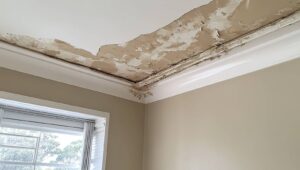
After a heavy storm, you can often spot basement stormwater damage by looking for damp walls, standing water, peeling paint, white mineral deposits, musty odors, and warped flooring or trim.
You should also check for flood indicators like efflorescence at the foundation line, rust on metal fasteners, swollen baseboards, and damp insulation.
Inspect corners, seams, and around sump pits where moisture usually enters first. Water stains on drywall, concrete, or stored items show how high water reached and how long it lingered.
If you notice recurring discoloration, you’re likely dealing with hidden seepage, not just surface moisture.
Trust your observations, document each sign, and stay alert; catching damage early helps you protect your space and feel confident in your home’s recovery.
What Basement Stormwater Cleanup Means
Basement stormwater cleanup means more than mopping up visible water—it’s the full process of removing contaminated moisture, drying affected materials, disinfecting surfaces, and checking for structural damage so you can prevent mold, corrosion, and long-term deterioration.
You’re not handling a mess alone; you’re restoring a shared-safe space with methodical basement drainage and stormwater management.
You remove soaked insulation, carpet, and debris to cut hidden contamination.
You meter moisture in framing, slab edges, and wall cavities to confirm drying.
You clean, sanitize, and inspect cracks, joints, and finishes so your basement feels secure again.
This work helps you protect the home you belong in, while keeping conditions stable, clean, and ready for daily use.
Why Stormwater Cleanup Needs Fast Action
When stormwater enters a basement, every hour counts because standing moisture keeps spreading into drywall, wood framing, insulation, and flooring while contamination and mold growth accelerate.
You need an emergency response that starts immediately, since delays let absorbed water migrate farther into hidden cavities and weaken finishes you rely on.
Fast action also improves damage assessment because you can identify wet materials before they swell, delaminate, or trap odors and bacteria.
When you act quickly, you protect the structure, reduce replacement costs, and limit the scope of cleanup your team must complete.
That speed matters most when you want to restore a safe, familiar space and get your basement back to normal with less disruption, less risk, and fewer long-term repairs.
How to Remove Standing Water Safely
Start by stopping the water source if you can do so safely. Then pump or extract standing water with equipment rated for contaminated stormwater, such as a submersible pump, wet/dry vacuum, or truck-mounted extractor.
Before you begin, wear gloves, boots, eye protection, and a respirator if aerosolized debris is present. Use these water removal techniques in layers, moving from the deepest pooled area to the edges so you keep footing stable.
Keep cords above water and use a GFCI outlet. If the water is near fuel, sewage, or electrical panels, call a pro.
- You protect your crew and your home.
- You cut slip, shock, and exposure risks.
- You act like a prepared team, not a panicked one.
Dry Out Walls, Floors, and Contents
Once the standing water’s gone, you need to move fast to dry out walls, floors, and contents before mold, swelling, and hidden deterioration set in.
Open windows if weather allows, run dehumidifiers, and set fans to create crossflow across affected surfaces.
Pull baseboards, lift carpet edges, and expose hidden cavities so trapped moisture can escape.
Remove wet boxes, textiles, and furniture cushions, then space items apart for airflow.
Check drywall and subflooring with a moisture meter until readings return near normal.
Keep humidity control steady, ideally below 60%, so evaporation continues without rewetting.
If you’ve installed moisture barriers, inspect them for trapped water and dry the adjoining framing.
Stay methodical, because careful drying helps your crew protect the space and speed recovery together.
Disinfect for Mold and Sewage Risks
After drying, you should apply an EPA-registered disinfectant to all affected nonporous surfaces to reduce mold spore loads and prevent regrowth.
If stormwater may’ve carried sewage, you need to treat the area as contaminated. Clean with detergent first, then disinfect contact surfaces, tools, and equipment using the label’s required dwell time.
Use gloves, eye protection, and respiratory protection as needed, and discard porous materials that can’t be fully decontaminated.
Mold Spore Disinfection
Because stormwater intrusion can bring both mold spores and sewage-related contaminants into porous materials, you should disinfect only after you remove damaged debris and thoroughly clean all salvageable surfaces.
Use an EPA-registered antimicrobial, follow the label contact time, and keep the area ventilated while you work. Wear gloves, eye protection, and a respirator rated for mold cleanup to protect your team and keep everyone confident.
- Wipe hard surfaces until no visible residue remains.
- Apply disinfectant evenly, then let it dry fully.
- Recheck hidden corners so you don’t leave spores behind.
This step supports mold prevention strategies and helps restore indoor air quality.
When you’re methodical, you protect your space, strengthen trust with the people sharing it, and reduce the chance that odors or growth return.
Sewage Contamination Control
When stormwater carries sewage into a building, you need to treat the affected area as a biohazard, not just a mold issue.
Shut off power, wear gloves, boots, and a respirator, then remove porous materials that soaked up a sewage backup.
Clean hard surfaces with detergent first, then apply an EPA-registered disinfectant and keep it wet for the full dwell time.
Scrub wall studs, framing, and concrete until they’re visibly clean, because residue can keep bacteria active.
Dispose of contaminated debris in sealed bags, and isolate the work zone to support contamination prevention.
After disinfection, run dehumidifiers and fans to dry everything fast.
If you spot lingering odor, staining, or symptoms, bring in a licensed remediation team so you stay safe and confident together.
Check for Hidden Water Damage and Odors
Inspect behind baseboards, under flooring edges, and inside wall cavities for hidden moisture spots, staining, and warped materials that can signal trapped water.
Use a moisture meter and your hand to compare cool, damp areas with dry sections, since stormwater can linger in insulation and subflooring long after surfaces look clean.
Trace any musty or sour odor to its strongest point, because odor source detection often reveals concealed contamination that needs drying, removal, or repair.
Hidden Moisture Spots
Check hidden moisture spots by tracing any signs of concealed water damage and lingering odors in areas stormwater often reaches first, such as behind baseboards, under flooring, inside wall cavities, around window frames, and beneath cabinets.
You’ll spot hidden leaks faster when you use moisture detection tools and compare readings across affected zones.
- Feel steadier when you find dampness early, before it spreads.
- Trust your checks when materials look swollen, soft, or stained.
- Stay connected to your cleanup team by sharing exact locations and readings.
Inspect seams, trim, and subfloors for coolness, discoloration, or peeling finishes.
Mark every suspect area, then dry it promptly so you can protect your space and keep your home feeling safe, clean, and yours.
Odor Source Detection
Even after visible water is gone, you may still catch the real problem by tracing musty or sour odors to their source. Start with odor analysis: move room to room, pause near baseboards, sump pits, drywall seams, and stored materials, and note where the smell intensifies.
Use practical detection methods such as moisture meters, thermal imaging, and your nose at floor level, where damp air settles. Check behind furniture, under stairs, and inside cabinets for hidden wet insulation, mold growth, or trapped sediment.
If the odor spikes after you run fans or HVAC, inspect ducts and returns too. You don’t have to guess alone; careful mapping helps your team find concealed damage, target drying, and keep the basement safe, clean, and ready to use.
When to Call Basement Cleanup Pros
If stormwater has soaked your basement, you should call cleanup pros when the water has reached electrical systems, sewage has backed up, mold growth has started, or the damage extends into drywall, insulation, or finished flooring.
You need emergency response and professional services because hidden contamination can spread fast and raise health risks. Their team checks moisture levels, removes unsalvageable materials, and disinfects affected surfaces with the right equipment.
You’ll also get a clear scope, so you know what’s safe to keep and what needs replacement.
- You protect your home’s structure.
- You reduce exposure for your family.
- You join others who’ve already stopped the damage.
How to Prevent Stormwater Intrusion
To prevent stormwater intrusion, you need to keep surface water moving away from your foundation and stop entry points before a storm hits. Grade soil so it slopes outward, extend downspouts, and inspect gutters for clogs after heavy rain.
Seal cracks in walls, joints, and around pipes with waterproof caulk or epoxy, and test sump pumps before storm season. Maintain your drainage systems by clearing outlets, checking French drains, and replacing damaged lines fast.
If runoff still pools, install a rain garden to absorb excess water and reduce pressure on the basement. You’re not just protecting concrete; you’re protecting your home’s comfort, value, and your family’s peace of mind.
Regular inspections help you catch small failures early and stay ahead together.
Frequently Asked Questions
How Much Does Stormwater Basement Cleanup Typically Cost?
You’ll typically pay $1,000–$5,000 for stormwater basement cleanup, though cost factors like damage extent, contamination, drying time, and labor drive pricing variations. You can expect higher costs for mold remediation or structural repairs.
Will Insurance Cover Stormwater Intrusion Basement Cleanup?
You’ll only get coverage if your insurance policies specifically include flood or sewer backup protection, and coverage limits apply. You should review exclusions, document damage quickly, and contact your insurer to verify claim eligibility.
How Long Does Basement Stormwater Cleanup Usually Take?
Usually, you’ll spend 1–5 days on cleanup; like a 2023 flood that filled a family basement overnight, drying sets the pace. Your cleanup duration and restoration timeline depend on water depth, materials, and mold risk.
Can I Stay in My Home During Basement Stormwater Cleanup?
You can stay home if you follow safety precautions and monitor air quality, but you shouldn’t enter flooded areas, handle contaminated materials, or breathe dusty drying equipment without protection. Ventilation and isolation help keep you safer.
What Equipment Do Professionals Use for Stormwater Basement Cleanup?
You’ll see professionals use submersible pumps, wet/dry vacuums, moisture meters, air movers, dehumidifiers, and HEPA air scrubbers. They’ll also use water extraction tools and mold prevention treatments, so you’re protected and included in recovery.
Conclusion
Stormwater intrusion basement cleanup helps you act fast when rainwater enters your basement. You’ll pump out standing water, dry hidden moisture, and disinfect surfaces to limit mold and contamination. If you spot musty odors, warped materials, or recurring seepage, you need a full inspection, not just surface drying. By sealing cracks, improving drainage, and maintaining sump systems, you reduce future damage and protect your home’s structure, air quality, and value.