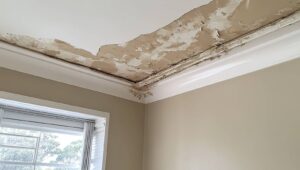
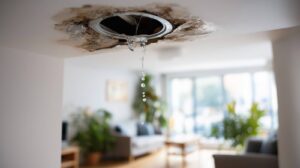
When faced with a sewage backup, knowing the right techniques for sewage backup cleanup can make all the difference. You’ll need to assess the damage quickly and prioritize safety before tackling the mess. Each step, from initial water removal to thorough disinfection, requires precision and care. Understanding these processes protects your health and helps restore your space effectively. What specific methods should you consider to ensure a successful cleanup?
Key Takeaways
- Conduct a thorough damage assessment to identify the source, extent, and contamination signs of the sewage backup.
- Wear protective gear, including gloves and masks, to ensure personal safety while cleaning contaminated areas.
- Remove standing water using submersible pumps or wet/dry vacuums to prevent further damage and mold growth.
- Clean and disinfect affected surfaces with EPA-registered agents, ensuring they dry completely to mitigate health risks.
- Schedule regular plumbing inspections and maintenance to prevent future sewage backups and address potential issues early.
Assessing the Damage
When facing a sewage backup, it’s vital to assess the damage promptly to determine the necessary cleanup steps.
Start with a thorough damage assessment, which involves identifying the source and extent of the backup. Examine affected areas for signs of contamination, such as discoloration or lingering odors. A sewage inspection can help pinpoint specific problem areas, allowing you to prioritize your response effectively.
Check for structural damage, as well as the condition of your belongings. Document everything with photos for insurance purposes; this step can be significant in securing assistance later.
Assess the materials involved—carpets, drywall, and furniture may require different handling based on their condition and contamination level.
Ensuring Personal Safety
When tackling a sewage backup, your safety should be the top priority.
Wear protective gear like gloves and masks to shield yourself from harmful pathogens, and make sure to ventilate the affected area to reduce exposure to hazardous fumes.
Avoid contaminated surfaces at all costs, as direct contact can lead to serious health risks.
Wear Protective Gear
Although addressing a sewage backup can be intimidating, wearing the appropriate protective gear is crucial for your safety.
You don’t want to expose yourself to harmful contaminants. Equip yourself with the following safety equipment to ensure you stay protected during cleanup:
- Waterproof gloves: These prevent skin contact with sewage.
- N95 respirator: This protects against airborne pathogens.
- Protective clothing: Wear long sleeves and pants to cover skin.
- Rubber boots: These keep your feet dry and shielded.
Ventilate Affected Area
Ventilating the affected area is essential to ensure personal safety during sewage backup cleanup. Proper air quality is vital, as it helps to disperse harmful pathogens and odors.
Start by opening windows and doors to promote cross-ventilation. If possible, use fans to enhance airflow, employing ventilation methods that effectively circulate fresh air throughout the space.
Consider utilizing air purifiers equipped with HEPA filters to capture airborne contaminants. While you work, take breaks in a well-ventilated area to minimize your exposure to lingering toxins.
Remember, maintaining good air quality protects your health and fosters a sense of security for you and your loved ones during this challenging process.
Prioritizing ventilation creates a safer environment for everyone involved.
Avoid Contaminated Surfaces
After ensuring proper ventilation, the next step in sewage backup cleanup is to avoid contaminated surfaces. This is essential for your health and contamination prevention.
Here are some key practices to follow:
- Wear protective gear, including gloves and masks.
- Identify and mark contaminated areas to prevent accidental contact.
- Use appropriate surface treatment methods, such as disinfectants, for sanitizing.
- Regularly monitor surfaces for any signs of contamination.
Initial Water Removal Techniques
When facing a sewage backup, quick and effective water removal techniques are vital to minimize damage and health risks. Start by evaluating the volume of water and the severity of the situation. For ideal pump selection, choose a submersible pump designed for sewage extraction, ensuring it can handle solids and debris.
If the water level is shallow, a wet/dry vacuum can also be useful for initial water extraction.
Before you begin, always wear protective gear, including gloves and masks, to safeguard against contaminants. Focus on removing standing water as rapidly as possible, as prolonged exposure can lead to mold growth and structural damage.
Once you’ve extracted the water, monitor the area for lingering moisture. Employing fans and dehumidifiers can aid in drying out the space, which is essential for preventing further complications. Swift action in this phase lays the groundwork for a successful cleanup.
Containing the Affected Area
To effectively contain the affected area during a sewage backup cleanup, you need to seal off all entry points to prevent contamination spread.
Utilizing plastic barriers can create a secure perimeter, while establishing containment zones minimizes the risk of cross-contamination.
These steps are essential for maintaining a safe environment as you proceed with the cleanup process.
Seal Off Entry Points
Sealing off entry points is essential for containing a sewage backup and preventing further contamination of unaffected areas.
Proper entry point identification allows you to focus on the most critical areas, enhancing sewage prevention efforts.
Here are some key steps to take into account:
- Inspect doors, windows, and vents for gaps.
- Use heavy-duty plastic sheeting to cover openings.
- Seal cracks and crevices in walls and floors.
- Confirm that drains are capped or sealed temporarily.
Use Plastic Barriers
Using plastic barriers effectively confines the affected area during a sewage backup cleanup, minimizing the risk of contamination spreading to other parts of your property.
Start by obtaining durable plastic sheeting, which is essential for creating a secure barrier. Ensure you measure the area accurately, cutting the sheeting to fit tightly around the affected zones.
When performing barrier installation, use heavy-duty tape to secure edges and prevent any accidental breaches. This method protects your living spaces and helps maintain a safe environment for you and your loved ones.
Establish Containment Zones
After effectively using plastic barriers, the next step involves establishing containment zones to further manage the affected area during sewage backup cleanup.
This vital step ensures that contaminants don’t spread, protecting you and your environment.
To effectively set up containment zones, consider these key containment procedures and materials:
- Plastic sheeting to create barriers around the affected area
- Tape for sealing edges and preventing leaks
- Signs to alert others about the hazardous area
- Dedicated equipment for cleanup to avoid cross-contamination
Cleaning and Disinfecting Surfaces
When faced with a sewage backup, promptly cleaning and disinfecting surfaces is vital to prevent health risks and further contamination. Start by wearing protective gear, including gloves and masks.
For effective cleaning, remove any visible waste and debris using a sturdy shovel or vacuum designed for liquids. Once surfaces are clear, rinse them with clean water.
Next, apply appropriate disinfecting agents. Look for EPA-registered products specifically formulated for sewage cleanup. These agents kill harmful bacteria and viruses that may linger after cleaning.
Follow the manufacturer’s instructions for dilution and contact time to ensure effectiveness. After applying disinfectants, allow surfaces to dry completely. This step is essential for preventing mold growth.
Finally, double-check that all surfaces are clean and disinfected, as any overlooked areas can pose health hazards. By following these steps diligently, you’ll foster a safer environment for everyone in your space.
Dealing With Contaminated Materials
Cleaning and disinfecting surfaces alone isn’t enough; handling contaminated materials requires careful attention to ensure safety and minimize health risks.
You need to ascertain proper disposal of contaminated materials through effective hazardous waste management. Here’s what you should focus on:
- Identify and categorize contaminated items, like carpets, drywall, and insulation.
- Use protective gear such as gloves, masks, and goggles during cleanup.
- Seal contaminated materials in heavy-duty plastic bags for safe disposal.
- Follow local regulations for hazardous waste management to prevent environmental contamination.
Taking these steps protects your health and fosters a sense of community responsibility.
By disposing of contaminated materials correctly, you’re contributing to a healthier environment for yourself and those around you.
Drying Out the Basement
To effectively dry out your basement after a sewage backup, start by removing any standing water, as this will prevent further damage and contamination.
Once the water’s gone, increase air circulation using fans and dehumidifiers to expedite the drying process.
Together, these steps will help restore your basement to a safe and dry condition.
Remove Standing Water
Removing standing water is essential for preventing further damage and reducing health risks in your basement after a sewage backup. Ignoring this vital step can lead to serious standing water hazards, including mold growth and structural issues.
You’ll want to act quickly and consider these effective water removal methods:
- Use a sump pump for efficient water extraction.
- Employ wet/dry vacuums for smaller areas.
- Utilize towels or mops to soak up remaining moisture.
- Consider professional services for extensive flooding.
Increase Air Circulation
As you tackle the aftermath of a sewage backup, increasing air circulation is essential for effectively drying out your basement and preventing mold growth.
Start by utilizing airflow techniques, such as opening windows and doors to create cross-ventilation. This natural method can greatly enhance air movement.
Additionally, invest in circulation fans to target damp areas directly, ensuring moisture evaporates more quickly. Position the fans strategically to maximize their effectiveness, focusing on corners and other spots where air tends to stagnate.
Remember, maintaining a consistent airflow speeds up the drying process and helps create a healthier environment.
Preventing Future Sewage Backups
Although sewage backups can be a nightmare, taking proactive measures can greatly reduce the risk of future incidents. Here are some essential steps you can take to protect your home:
- Schedule regular maintenance and plumbing inspections to catch issues early.
- Implement effective waste disposal practices to prevent clogs.
- Consider pipe upgrades and drainage solutions to enhance your system’s efficiency.
- Install a sump pump to manage excess water during heavy rainfall.
Additionally, be vigilant about tree root intrusion, which can damage sewer lines. Regularly check your water filtration system to verify it’s functioning well.
Finally, having a solid emergency preparedness plan can save you time and stress if a backup does occur. By following these steps, you can create a safer environment and minimize the chances of facing a sewage backup in the future.
Professional Help: When to Call Experts
Even with preventive measures in place, sewage backups can still occur unexpectedly.
When faced with such a situation, knowing when to seek professional help is vital. If the backup is extensive or if you notice sewage rising rapidly, it’s time to call emergency services. They’ve the expertise and equipment to handle severe contaminations that pose health risks.
You should also consider a professional assessment if the backup persists despite your efforts.
A trained technician can diagnose the underlying issues, such as pipe blockages or structural problems. Ignoring these signs can lead to more significant damage and costly repairs down the line.
Post-Cleanup Maintenance Tips
Once the sewage cleanup is complete, maintaining your plumbing system is essential to prevent future backups.
Implementing a regular maintenance routine can save you from future headaches and ensure your home stays safe and healthy.
Here are some preventive maintenance tips to take into account:
- Schedule routine inspections with a plumbing professional.
- Keep drains clear of debris and grease.
- Use enzyme-based cleaners to maintain healthy pipes.
- Be mindful of what goes down your toilets and sinks.
Frequently Asked Questions
What Are the Signs of a Sewage Backup?
You’ll notice signs of a sewage backup through persistent sewage odor, gurgling sounds from drains, or slow drainage issues. Addressing these symptoms promptly can help prevent more serious problems and maintain your home’s safety.
How Can I Prevent Mold Growth After Cleanup?
To prevent mold growth, think of your space as a garden. Use mold prevention strategies like humidity control, ensuring air circulation, and keeping surfaces dry. Regularly check for moisture; a little vigilance goes a long way.
Is It Safe to Clean Sewage With Bleach?
It’s not safe to clean sewage with bleach. While bleach is effective against some pathogens, it poses health risks, like respiratory issues and skin irritation. Consider safer alternatives to protect your health and effectively clean.
What Personal Protective Equipment Should I Wear?
You should wear protective gear, such as gloves, goggles, and a mask, to ensure cleanup safety. This equipment helps protect you from harmful pathogens and chemicals, allowing you to tackle the task confidently and effectively.
How Long Does It Take to Fully Dry Out Affected Areas?
The drying process can take anywhere from 24 hours to several days, depending on humidity and ventilation. You’ll want to monitor the drying time closely to ensure all affected areas return to normal conditions.
Review
Tackling a sewage backup can seem overwhelming, but with the right techniques, you can effectively manage the situation. You might think you can handle it alone, but enlisting professionals ensures a thorough cleanup and safety. They have the expertise and equipment to address hidden contamination you might miss. By following the outlined steps and considering expert help, you’ll restore your space and prevent future issues, keeping your home safe and healthy.