When a sewage disaster strikes, it can feel like the world is collapsing around you. You’re suddenly faced with the mess and the overwhelming task of sewage cleanup and maneuvering insurance claims. It’s vital to act quickly and methodically to protect your interests. Understanding the right steps can make all the difference in your recovery process. Let’s explore the essential tips that can guide you through this challenging situation.
Key Takeaways
- Assess the damage quickly, ensuring safety and documenting visible signs of contamination for insurance claims.
- Take clear, dated photographs of the affected areas and materials for accurate documentation.
- Contact your insurance provider promptly with all relevant documentation and repair estimates.
- Hire a professional cleanup service to handle sewage safely and prevent further health risks.
- Review your insurance policy for coverage details, exclusions, and deductible amounts related to sewage damage.
Assess the Damage Promptly
When you experience a sewage backup, it’s essential to assess the damage promptly to minimize health risks and property loss.
Start your damage evaluation by ensuring everyone’s safety; evacuate the area if necessary and wear protective gear.
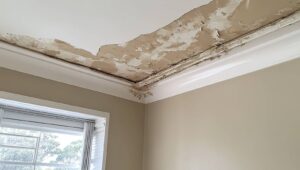
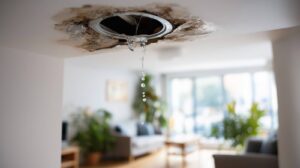
Next, identify the source and extent of the backup. Look for visible signs of contamination, such as standing water, odors, or discoloration on surfaces.
Document the affected areas and materials, including carpets and drywall, as their condition directly impacts your recovery options.
An immediate response is vital—report the incident to your insurance provider as soon as you can, as they may require specific information for your claim.
Document Everything Thoroughly
To ensure a successful insurance claim, it’s important to document everything thoroughly from the moment you discover the sewage backup. Start by carefully evaluating and documenting damage in each affected area.
Use your smartphone or camera to take clear, detailed photographs. Capture wide shots to show the overall damage and close-ups to highlight specific issues, like discoloration or structural harm. Make sure to date and label these photos for easy reference.
Along with photographic evidence, jot down notes detailing the incident’s timeline, including when you discovered the issue and any actions you took immediately afterward.
This meticulous documentation strengthens your claim and shows your insurance provider that you’re organized and committed to resolving the situation. When you approach this process with diligence, you’re protecting your home and fostering trust and support within your insurance community.
Contact Your Insurance Provider
Reaching out to your insurance provider promptly is essential after a sewage backup incident. Effective insurance communication can greatly streamline the claim process, ensuring you get the support you need.
Here are some key points to remember when contacting your provider:
Gather Documentation: Have all relevant documentation, including photos and repair estimates, at hand.
Review Your Policy: Familiarize yourself with your coverage to understand what’s included and excluded.
Ask Questions: Don’t hesitate to ask for clarification on terms, coverage limits, or what to expect next.
Follow-Up: Keep track of your claim’s progress by maintaining regular contact with your insurer.
Hire a Professional Cleanup Service
Hiring a professional cleanup service is crucial after a sewage backup, as they possess the expertise and equipment necessary to handle such hazardous situations safely and effectively.
These professional services ensure thorough cleanup and mitigate health risks associated with sewage exposure. Your family’s safety is paramount, and professionals utilize advanced techniques to sanitize affected areas, preventing mold growth and further contamination.
Another significant benefit of hiring experts is their ability to navigate the complexities of insurance claims. They can document damage accurately, providing you with the necessary evidence for a smoother claims process.
With their help, you won’t feel overwhelmed during this challenging time.
Ultimately, trusting a professional cleanup service allows you to focus on what matters most—your loved ones and restoring your home. Embracing their expertise means you’re taking the crucial steps toward a safe and healthy environment.
Understand Your Policy Coverage
How well do you understand your insurance policy coverage when it comes to sewage damage? Maneuvering this complex landscape is essential for protecting your home and finances. Here are key points to take into account:
Policy Exclusions: Some policies may exclude sewage backups. Check if yours has specific terms regarding such incidents.
Coverage Limits: Understand the maximum amount your insurer will pay for sewage damage. This affects your financial recovery.
Additional Endorsements: Think about adding endorsements for full coverage. This might provide extra protection against unforeseen sewage issues.
Deductibles: Familiarize yourself with the deductible amount. This is the portion you’ll need to pay out-of-pocket before your insurance kicks in.
Frequently Asked Questions
What Are Signs of Sewage Contamination in My Home?
You’ll notice signs of sewage contamination through foul odors and stagnant water in your home. If you detect these issues, it’s essential to act quickly to protect your health and restore your living space.
How Long Does the Cleanup Process Typically Take?
The cleanup duration usually ranges from a few hours to several days, depending on contamination severity. Your restoration timeline can vary, but understanding this helps you prepare and regain your home’s safety and comfort sooner.
Can I Clean Sewage Myself, or Should I Hire Professionals?
You could tackle DIY cleanup, but that’s like fixing a leak with duct tape. Hiring professional services ensures safety, efficiency, and thoroughness, giving you peace of mind while you focus on recovery and rebuilding.
Will My Health Be at Risk During Sewage Cleanup?
Yes, your health can be at risk during sewage cleanup. It’s essential you follow safety precautions, like wearing protective gear and using disinfectants, to minimize exposure to harmful bacteria and pathogens that could affect you.
What Should I Do if My Insurance Claim Is Denied?
If your claim’s denied, gather all claim documentation and review the denial reason. Consider filing an insurance appeal, clearly addressing their concerns. You’re not alone—many face this challenge, and persistence can lead to success.
Review
In the aftermath of a sewage disaster, maneuvering through the murky waters of cleanup and insurance claims can feel overwhelming. Yet, by swiftly evaluating the damage, documenting each detail, and enlisting professional help, you can reclaim your space and peace of mind. Remember, understanding your policy is your lifeline, guiding you through the storm. With determination and the right tools, you’ll emerge stronger, turning this unfortunate chapter into a story of resilience and recovery.