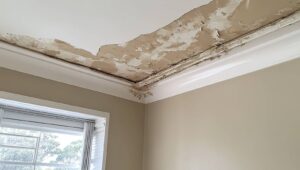
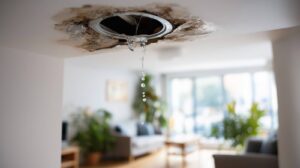
When disaster strikes, how prepared are you to handle residential sewage cleanup? Steering through the aftermath of a sewage backup can be overwhelming, but knowing the right steps to take is essential. From immediate actions to effective documentation for insurance claims, each phase demands careful attention. Understanding the process can make a significant difference in restoring your home and peace of mind. What do you need to reflect on first to ensure a smooth recovery?
Key Takeaways
- Identify the type of sewage involved to assess health risks and determine appropriate cleanup measures.
- Wear protective gear during cleanup and ensure proper ventilation in affected areas to maintain safety.
- Document all damage with photos and detailed lists for a smoother insurance claims process.
- Communicate clearly with your insurance adjuster and provide thorough evidence to support your claim.
- Schedule regular plumbing inspections to prevent future sewage issues and maintain system integrity.
Understanding Residential Sewage Damage
When you experience residential sewage damage, it’s essential to understand its implications for your home and health.
There are three primary sewage types: black water, gray water, and stormwater. Black water, which contains human waste and pathogens, poses the highest health risks. Exposure can lead to serious illnesses, including gastrointestinal infections and respiratory issues.
Gray water, while less hazardous, can still harbor contaminants that may affect your well-being. Stormwater, often mixed with pollutants, can also become a concern when it infiltrates your home.
Recognizing these sewage types helps you gauge the severity of the situation and the necessary response. Understanding the associated health risks informs your actions and cultivates a sense of community awareness.
Immediate Steps to Take After Sewage Backup
As soon as you notice a sewage backup, acting quickly is vital to minimize damage and protect your health. Start your emergency response by turning off the water supply to prevent further flooding.
Next, conduct a quick assessment of the affected areas. Identify the source of the backup and determine the extent of the damage. Document the situation with photos for insurance claims, as this evidence can be significant later.
If the backup is significant or poses a health risk, consider contacting a professional cleanup service experienced in sewage removal. Avoid attempting to clean it up yourself, as contaminated water can harbor harmful bacteria.
Make certain that you and your family stay away from the affected area until it’s safe. By taking these immediate steps, you safeguard your home and promote a sense of community by sharing your experience with neighbors who might face similar issues.
Safety Precautions During Cleanup
After taking immediate action following a sewage backup, prioritizing safety during the cleanup is paramount.
Start by wearing protective gear, including gloves, masks, and waterproof boots, to shield yourself from health hazards. Sewage can contain harmful bacteria, viruses, and toxins that pose serious risks to your well-being.
Confirm the area is well-ventilated; open windows and use fans if necessary to disperse any lingering fumes.
Avoid direct contact with contaminated materials and use disinfectants to clean surfaces thoroughly.
If the damage is extensive, consider enlisting professional help, as they’ve specialized equipment and expertise to handle the situation safely.
Always remember, your health is the priority. By taking these precautions, you can navigate the cleanup process more effectively and protect yourself from potential dangers.
Stay informed, and don’t hesitate to reach out to local resources for additional support during this challenging time.
Assessing the Extent of Damage
Evaluating the extent of damage following a sewage backup is essential to determine the appropriate cleanup and restoration efforts.
Start by conducting a thorough damage evaluation of affected areas. Look for visible signs of contamination, such as discoloration or foul odors, and inspect structural elements like flooring, drywall, and insulation. Keep in mind that some materials may require immediate removal to prevent further damage or health risks.
Once you’ve assessed the damage, prioritize your cleanup efforts. Focus first on areas with the highest contamination levels, as this will reduce potential health hazards.
Identify items that can be salvaged and those that must be disposed of. Document your findings with photographs and notes, as this will support any insurance claims you may file later.
Professional Sewage Cleanup Services
When faced with a sewage backup, enlisting professional sewage cleanup services can make a significant difference in restoring your home. These experts are equipped with the necessary tools and knowledge to handle sewage removal efficiently and safely.
Attempting to manage such a hazardous situation on your own can lead to further complications, including health risks and additional property damage.
Professional services ensure thorough expert sanitation, addressing the visible mess and hidden contaminants. They follow strict protocols to disinfect affected areas, reducing the likelihood of mold growth and other long-term issues.
Additionally, their experience allows for faster response times, minimizing disruption to your daily life.
Choosing a qualified sewage cleanup service means you’re prioritizing your family’s health and safety, while also protecting your home’s value. Trusting trained professionals in this situation fosters a sense of security, knowing you’re in capable hands as you navigate the aftermath.
Documenting Damage for Insurance Claims
Documenting damage for insurance claims is essential in ensuring you receive the compensation you deserve after a sewage backup.
Start with a thorough damage assessment; take photos of affected areas, including walls, floors, and personal belongings. Make notes detailing the extent of the damage, as this information will be vital for your claim documentation.
Gather any receipts or invoices related to cleanup efforts, as these can support your claim. If possible, obtain a professional assessment from a sewage cleanup service, as their expertise lends credibility to your documentation.
Keep a detailed record of all communications with your insurance provider, noting names, dates, and outcomes. This organized approach strengthens your case and fosters a sense of belonging within a community that values proactive measures.
Navigating the Insurance Claims Process
Maneuvering the insurance claims process can be intimidating, but understanding your policy coverage is essential.
You’ll need to document damage thoroughly to support your claim and ensure you communicate with the adjuster effectively.
Understand Your Policy Coverage
Understanding your insurance policy coverage is crucial when dealing with the aftermath of residential sewage cleanup. You’ll want to carefully review your policy to identify coverage limits and understand what’s included.
Many homeowners don’t realize that certain damages may fall under policy exclusions, which could leave you financially vulnerable. For instance, if your policy excludes damage from sewer backups, you mightn’t be covered for the very situation you’re facing.
Knowing your coverage limits helps you gauge potential out-of-pocket expenses. It’s essential to communicate with your insurance agent to clarify these points, ensuring you’re well-informed about your rights and responsibilities.
This knowledge empowers you to navigate the claims process with confidence and security.
Document Damage Thoroughly
As you begin the process of filing an insurance claim after a sewage backup, thoroughly documenting the damage is vital for a successful outcome.
Start with a thorough damage assessment, noting all affected areas, including floors, walls, and personal belongings. Take clear photographs from multiple angles to capture the extent of the destruction.
Create a detailed list of damaged items, including their value and any relevant receipts. This claim documentation will serve as critical evidence when presenting your case to your insurance provider.
Communicate With Adjuster Effectively
Once you’ve documented the damage and prepared your claim, effective communication with your insurance adjuster becomes critical.
Establish a clear line of adjuster communication by being concise and straightforward about your situation. Share all relevant details, including your documentation, to support your case. This transparency fosters trust and can enhance the claim negotiation process.
Be proactive; follow up regularly to show your commitment and keep the claim moving forward. Listen attentively to the adjuster’s feedback, and don’t hesitate to ask questions if something isn’t clear.
This collaborative approach helps you better understand the process and strengthens your relationship with the adjuster, ensuring you’re both working towards the same goal—fair compensation for your losses.
Preventing Future Sewage Issues
To effectively prevent future sewage issues, it’s essential to adopt proactive measures that address potential risks before they escalate.
By focusing on regular plumbing maintenance and implementing sewage prevention tips, you can greatly reduce the likelihood of problems arising.
Schedule regular inspections: Have a professional check your plumbing system to catch small issues before they become major headaches.
Avoid flushing inappropriate items: Only human waste and toilet paper should go down the toilet. Educate your household on what’s safe to flush.
Be mindful of tree roots: Regularly inspect your yard for roots that might invade sewer lines, and consider professional removal if necessary.
Frequently Asked Questions
How Can I Tell if Sewage Has Contaminated My Drinking Water?
To tell if sewage has contaminated your drinking water, look for contamination signs like unusual color, odor, or taste. Conduct water testing to confirm any concerns and ensure your water remains safe and clean.
What Types of Insurance Typically Cover Sewage Backup?
You might be surprised to learn that standard homeowner policies often don’t cover sewage backup. Instead, consider flood insurance or specific endorsements to safeguard against potential damages. Always check your policy’s details to avoid costly surprises.
Are There Specific Health Risks Associated With Sewage Exposure?
Yes, sewage exposure can lead to health risks. You might experience symptoms from sewage pathogens, including gastrointestinal issues, respiratory problems, or skin infections. It’s essential to address contamination promptly to minimize these health threats.
How Long Does It Take for Sewage Cleanup to Be Completed?
Sewage cleanup can feel like waiting for paint to dry; it varies but usually takes 1 to 3 days. The cleanup duration depends on the extent of the sewage removal needed and surrounding conditions.
Can I Handle Sewage Cleanup Without Professional Help?
You can attempt DIY cleanup, but it’s risky. Without proper safety precautions, you expose yourself to harmful pathogens. Professionals ensure thorough cleaning and reduce health risks, making them a safer choice for sewage issues.
Summary
In the aftermath of a sewage backup, think of your home as a fragile ecosystem, where every decision you make ripples through its integrity. By acting swiftly and documenting thoroughly, you restore order and safeguard your sanctuary from future chaos. Remember, prevention is your strongest ally. Regular plumbing inspections are the roots that anchor your home, keeping it resilient against the unpredictable tides of sewage issues. Stay vigilant, and protect your haven with informed actions.