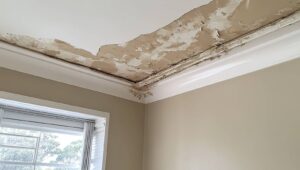
When dealing with unexpected moisture issues in your property, maneuvering through the complexities of mold remediation claims can be challenging. Understanding the fundamental services that support this process is critical for your success. From evaluating damage to coordinating with contractors, each step plays an important role. Let’s explore how these key services can streamline your claims experience and enhance your chances of a favorable outcome.
Key Takeaways
- Conduct thorough assessments to identify mold types and document damage for effective claim support.
- Review insurance policies to understand coverage limits and exclusions related to mold damage claims.
- Obtain detailed quotes from certified mold remediation professionals to support financial claims.
- Maintain clear communication with stakeholders throughout the remediation process for transparency and trust.
- Document progress meticulously, including photographs and reports, to reinforce claims and accountability.
Assessment of Mold Damage
When evaluating mold damage, it’s essential to identify the extent of the infestation promptly, as delays can lead to more extensive problems.
Start by conducting a thorough damage assessment to determine which mold types are present. Common mold types include black mold, Aspergillus, and Penicillium, each with distinct characteristics and potential health risks.
Inspect affected areas, paying close attention to hidden spaces like behind walls or under flooring. Use moisture meters and visual inspections to pinpoint the source of moisture fueling the growth.
Document your findings, noting the size and severity of the infestation, as this information will be vital for remediation and potential claims.
Addressing mold damage swiftly protects your property and safeguards your health.
Understanding the various mold types and conducting a proper damage assessment can empower you to take effective action against mold growth.
Documentation and Evidence Collection
When you’re preparing a mold remediation claim, effective documentation and evidence collection are essential.
Start by compiling visual evidence, such as photographs of the affected areas, and create detailed incident reports to outline the timeline of events.
Additionally, obtain professional assessment documentation to support your claim further.
Visual Evidence Compilation
While gathering evidence for mold remediation claims, compiling visual documentation is essential for substantiating your case. Utilize effective visual documentation techniques to capture the extent and severity of mold growth.
Adhere to photographic evidence guidelines, ensuring images are clear and well-lit to accurately depict the affected areas. Take wide-angle shots to show the overall context and close-ups to highlight specific damages. Always include reference points in your photos, like measuring tapes or objects for scale, to provide perspective.
Document the date and time of each image, maintaining a consistent format. This meticulous approach strengthens your claim and fosters trust with insurers, showing your commitment to thorough and professional evidence collection.
Detailed Incident Reports
To effectively support your mold remediation claim, detailed incident reports are vital for documenting the situation and gathering evidence. An accurate report captures the specifics of the incident, including the location, extent of mold growth, and any contributing factors.
This thorough incident analysis helps establish a timeline and context, making your claim more compelling. Ensure you include photographs, measurements, and observations to enhance report accuracy.
Be objective in your descriptions and avoid assumptions, as clarity is essential for effective communication. By providing a well-organized and factual report, you strengthen your claim and foster trust with all parties involved.
Your proactive approach demonstrates a commitment to resolving the issue efficiently and effectively.
Professional Assessment Documentation
As you navigate the mold remediation process, obtaining a professional assessment is essential for documenting the severity and specific conditions of the mold issue.
Utilize advanced mold identification techniques and precise assessment tools to ensure a thorough evaluation. Certified professionals will conduct air and surface sampling, revealing the extent of mold presence and potential health risks.
This documentation serves as critical evidence in your remediation claim, detailing the contamination levels and affected areas. By keeping accurate records, including photographs and laboratory results, you strengthen your case for necessary remediation efforts.
Collaborating with experienced specialists provides clarity and fosters a sense of community among homeowners facing similar challenges. Embrace professional assessments as your ally in overcoming mold issues.
Insurance Policy Review
Understanding your insurance policy is essential for managing mold remediation claims effectively. Start by reviewing your policy’s coverage limits, as these dictate the maximum amount your insurer will pay for mold-related damages. Knowing these limits helps you gauge whether your coverage aligns with potential expenses.
Next, identify any policy exclusions that may apply to mold damage. Some policies specifically exclude mold or limit coverage based on certain conditions, like lack of maintenance or pre-existing damage. Understanding these exclusions is vital for determining your eligibility for claims.
Consider consulting with a professional who can help you interpret complex policy language and uncover any hidden nuances.
Claim Preparation and Submission
After reviewing your insurance policy, you’re ready to focus on the next step: preparing and submitting your mold remediation claim.
A well-structured claim strategy is essential for a successful submission. Here’s how to streamline your process:
Document Damage: Take clear, dated photographs of the affected areas and any visible mold.
Collect Estimates: Obtain detailed quotes from certified mold remediation professionals, outlining the necessary work.
Compile Records: Gather all relevant documents, including previous inspection reports and maintenance records.
Draft Your Claim: Write a concise narrative that outlines the extent of the damage and the steps taken to mitigate it.
Keep in mind the submission timeline; timely submissions can greatly enhance your chances of approval.
Communication With Insurance Adjusters
Effective communication with insurance adjusters is essential, especially when steering through the complexities of a mold remediation claim. Clear and concise adjuster communication can greatly impact your insurance negotiation outcomes.
Start by documenting all interactions and keeping records of your claims process. When you speak with the adjuster, be specific about the extent of the mold damage and the remediation efforts undertaken.
Use technical terms appropriately, as this illustrates your understanding of the situation and builds credibility. Ask questions to clarify any uncertainties, ensuring you fully grasp their process and requirements.
Be proactive in following up on claims status; this can expedite the review process. Establishing rapport with the adjuster can also foster a more cooperative environment, which may lead to a better settlement.
Coordination With Mold Remediation Contractors
While steering a mold remediation claim, coordinating with remediation contractors is essential for ensuring the process runs smoothly and efficiently.
Your contractor selection can greatly impact project outcomes, so choose wisely. Here are four key elements to focus on:
Expertise: Assess the contractor’s experience with mold remediation to confirm they’re well-versed in industry standards.
Communication: Establish clear communication channels to address concerns and updates throughout the process.
Project Timelines: Discuss realistic timelines and ensure they align with your expectations to minimize disruptions.
Documentation: Request detailed estimates and progress reports, keeping all documentation organized for future reference.
Follow-Up and Progress Tracking
To ensure effective mold remediation claim support, you need to implement regular status updates to monitor progress.
Documenting each step is essential for maintaining transparency and accountability.
Additionally, consistent communication with stakeholders keeps everyone informed and aligned throughout the process.
Regular Status Updates
Regular status updates are essential for keeping all parties informed and engaged during the mold remediation process. Effective client communication fosters trust and ensures that you stay in the loop.
Here are four key components to include in your regular updates:
Current Progress: Outline what’s been completed and what’s pending.
Timeline Adjustments: Inform about any changes to the expected completion date.
Challenges Encountered: Share any obstacles and how they’re being addressed.
Next Steps: Clearly define what’s coming up to prepare all involved.
Maintaining this structure in your status updates enhances transparency and strengthens relationships, making everyone feel like an integral part of the remediation journey.
Documentation of Progress
How can you ensure that every step of the mold remediation process is effectively tracked and documented? By implementing robust progress monitoring systems, you can ascertain that all remediation milestones are accurately recorded.
Establishing a clear timeline with specific objectives allows you to measure advancements effectively. Utilize checklists and digital tools to document each phase, from initial assessment to final inspection.
Regularly update records to reflect the current status, making it easy to identify any delays or issues. This meticulous documentation supports your claim and reinforces your commitment to transparency and quality.
With proper follow-up and progress tracking, you cultivate trust and confidence among stakeholders, enhancing the overall effectiveness of your remediation efforts.
Communication With Stakeholders
Effective communication with stakeholders is essential for maintaining transparency throughout the mold remediation process. By ensuring robust stakeholder engagement, you foster trust and collaboration.
Here are four key strategies for effective communication:
Regular Updates: Share progress reports and timelines, keeping everyone informed.
Feedback Channels: Establish open lines for questions and concerns, encouraging stakeholder input.
Visual Documentation: Use photos and videos to illustrate progress, making it tangible for stakeholders.
Post-Remediation Review: Conduct follow-up meetings to assess satisfaction and gather insights for future projects.
Implementing these strategies enhances stakeholder engagement and ensures that all parties feel valued and informed during the mold remediation process.
Your commitment to effective communication will strengthen relationships and streamline operations.
Frequently Asked Questions
How Long Does the Mold Remediation Claim Process Typically Take?
The claim duration for mold remediation typically spans two to six weeks. Factors influencing the remediation timeline include the extent of damage, insurance processing speed, and required repairs. Staying organized helps expedite your claim process.
Can I Choose My Own Mold Remediation Contractor?
Yes, you can choose your own mold contractor, but check your insurance policy terms. Some policies may require using approved vendors, so confirming your options ensures you receive the best possible support during remediation.
What if My Claim Is Denied?
If your claim’s denied, it’s like hitting a brick wall. You can file a claim appeal, exploring your insurance options. Review your policy, gather evidence, and consider consulting a professional to strengthen your case effectively.
Are There Costs I Need to Cover Upfront?
Yes, you may need to cover upfront costs, depending on your insurance coverage. Always check your policy details to understand deductibles and any expenses you’re responsible for before starting the mold remediation process.
Will My Insurance Premium Increase After Filing a Claim?
Yes, your insurance premium might increase after filing a claim. Insurers often assess claim impact on your risk profile, potentially leading to higher rates. It’s wise to review your policy and discuss concerns with your agent.
Recap
In managing mold remediation claims, you’re not just tackling paperwork; you’re building a bridge to recovery. By leveraging these seven key services, you transform an overwhelming process into a structured path forward. Picture each step as a brick laid in a strong foundation—one that supports your claim and restores your peace of mind. Embrace the expertise at your disposal, and watch as the shadows of mold give way to a brighter, healthier living environment.