It’s ironic how a simple toilet overflow can lead to significant mold issues if not addressed promptly. You might think drying the area is enough, but mold can start developing in just 24 hours. Understanding the necessary steps for effective mold remediation is essential for your health and safety. By knowing what actions to take, you can Ensure a thorough cleanup and prevent future problems. So, what should you do next?
Key Takeaways
- Turn off the toilet’s water supply immediately to stop further flooding and minimize water damage.
- Use a wet/dry vacuum to thoroughly remove standing water and prevent mold growth.
- Clean all affected surfaces with disinfectants and mold inhibitors to eliminate spores.
- Inspect hidden areas like behind toilets and under sinks for mold growth and moisture.
- Maintain low indoor humidity levels and use dehumidifiers to prevent future mold issues.
Assessing the Damage and Safety Hazards
When you experience a toilet overflow, it’s essential to assess the damage and identify safety hazards promptly.
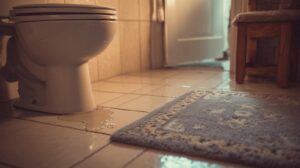
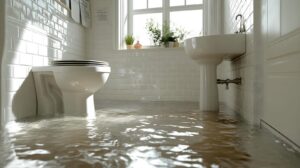
Start by examining the affected area for standing water, as this can lead to mold growth if not addressed quickly. Take note of water-soaked materials like carpets, drywall, and furniture, as these are prime candidates for mold development.
Next, prioritize safety precautions. Ensure the area is well-ventilated and consider wearing protective gear, such as gloves and masks, to avoid exposure to harmful contaminants.
Conduct a mold assessment by checking for visible mold or musty odors, as these can indicate hidden growth.
Document the damage thoroughly for insurance purposes, and don’t hesitate to consult professionals if the situation seems overwhelming.
Immediate Actions to Take After a Toilet Overflow
Although a toilet overflow can be distressing, taking immediate action can greatly mitigate water damage and prevent mold growth.
Here’s what you should do right away:
Stop the Flow: Turn off the water supply to the toilet to prevent further flooding. This quick step is essential for limiting damage.
Remove Excess Water: Use a wet/dry vacuum for effective water extraction. Make sure to extract as much water as possible to reduce moisture levels and potential mold growth.
Clean and Disinfect: Gather your cleaning supplies, including disinfectants and mold inhibitors. Thoroughly clean the affected area, ensuring all surfaces are sanitized to eliminate contaminants.
Identifying Mold Growth and Contamination Areas
How can you effectively identify mold growth and contamination areas after a toilet overflow?
Begin by inspecting damp surfaces, as prolonged moisture creates an ideal environment for various mold types, like black mold and Aspergillus.
Look for contamination indicators such as discoloration on walls, ceilings, or flooring, and musty odors that often accompany mold presence.
Check hidden spaces, like behind toilets, under sinks, and in crawl spaces, where moisture may linger unnoticed.
Use a flashlight to spot any dark patches or fuzzy growth, which are clear signs of mold.
Pay attention to areas that may not dry completely, as they’re prime spots for mold to thrive.
Document your findings, as this will guide your remediation efforts.
Effective Mold Removal Techniques
To effectively tackle mold issues, you need to identify the sources of contamination first.
Once you pinpoint the problem areas, you can employ safe removal methods to eliminate the mold.
Finally, implementing preventive measures after remediation will help you avoid future outbreaks.
Identify Mold Sources
Identifying mold sources is essential for effective removal and prevention, especially after a toilet overflow.
To tackle this problem, you’ll need to focus on these key areas:
Moisture Sources: Look for any leaks or areas where water accumulates, as excess moisture creates a perfect breeding ground for mold types like black mold and penicillium.
Hidden Spaces: Inspect behind walls, under floors, and around plumbing fixtures where mold might thrive out of sight.
Ventilation: Maintain proper airflow in your bathroom and nearby areas. Poor ventilation can exacerbate moisture issues, leading to mold growth.
Safe Removal Methods
Although mold removal can seem challenging, employing safe and effective techniques is crucial for protecting your health and property.
Start by gathering appropriate cleaning supplies, like a mask, gloves, and goggles, to shield yourself from harmful spores. Use a mixture of water and detergent for non-porous surfaces, scrubbing thoroughly to eliminate mold growth.
For porous materials, like drywall or carpeting, replacement might be necessary if contamination is severe. Consider eco-friendly solutions, such as vinegar or baking soda, which can effectively inhibit mold without harsh chemicals.
Always ventilate the area well during the process to disperse any lingering spores. By following these safe removal methods, you can ensure a healthier living environment for yourself and your loved ones.
Preventive Measures Post-Remediation
Once you’ve addressed the mold issue, implementing preventive measures is essential to ensure it doesn’t return.
Here are three effective strategies you can adopt:
Use Mold Resistant Materials: When renovating or repairing, opt for mold-resistant paints, drywall, and insulation. These materials can greatly hinder mold growth.
Humidity Control: Maintain indoor humidity levels between 30-60%. Utilize dehumidifiers in damp areas, like basements or bathrooms, to keep moisture at bay.
Regular Inspections: Schedule routine checks for leaks and water damage. Early detection is key to preventing mold from reappearing.
Preventing Future Mold Growth
To effectively prevent future mold growth after a toilet overflow, you need to address both moisture control and proper ventilation.
Start by monitoring humidity levels in your bathroom; ideally, keep it below 60%. Use a dehumidifier if necessary, as it helps maintain humidity control and creates an environment less conducive to mold.
Next, focus on ventilation improvement. Confirm your bathroom has an exhaust fan that vents outside, and use it during and after showers or baths.
If your bathroom windows open, consider letting fresh air circulate regularly to reduce moisture buildup.
Additionally, inspect for leaks around the toilet and plumbing fixtures, as even small drips can lead to mold problems.
Regularly clean and dry areas prone to moisture, like shower curtains and rugs.
Professional Help: When to Call the Experts
Even with proactive measures to prevent mold growth, there are scenarios where professional help becomes necessary.
Recognizing when to reach out for expert evaluation can save you time, money, and health risks. Here are three situations that warrant calling in the experts:
Extensive Damage: If the overflow has affected multiple areas or underlying structures, emergency services should be contacted immediately.
Persistent Mold: If you’ve noticed recurring mold despite your efforts, it’s time to consult professionals who can identify hidden sources.
Health Concerns: If you or your family members experience respiratory issues or allergic reactions, seek expert help to ensure a safe environment.
Addressing mold issues early on with professional assistance ensures thorough remediation and provides peace of mind.
Prioritize your health and home by knowing when it’s time to call for help.
Frequently Asked Questions
Can Mold Grow in Walls After a Toilet Overflow?
Yes, mold can grow in walls after a toilet overflow if moisture persists. Wall damage creates an ideal environment, allowing mold growth to thrive. You should act quickly to prevent further issues and maintain a healthy space.
How Long Does It Take for Mold to Appear?
Mold can appear within 24 to 48 hours after moisture exposure. If you don’t control that moisture, you’re inviting mold growth. Understanding this urgency helps you take proactive steps to protect your space and health.
Is Bleach Effective for Mold Removal?
Bleach isn’t the most effective for mold removal; it only discolors it. Instead, consider bleach alternatives like vinegar or hydrogen peroxide. Proper mold prevention, including ventilation and moisture control, is essential for long-term success in mold management.
Can I Stay in My Home During Mold Remediation?
You shouldn’t stay during mold remediation. Think of your home as a ship in turbulent waters; remediation safety requires temporary living arrangements to ensure you’re out of harm’s way while the crew navigates the storm.
What Are the Health Risks of Mold Exposure?
Mold exposure can lead to various health risks, including respiratory issues, skin irritation, and allergic reactions. You might experience mold symptoms like coughing, sneezing, or headaches, which can considerably impact your well-being and comfort at home.
Conclusion
Tackling mold after a toilet overflow is essential for your health and home. By evaluating damage, acting swiftly, and using effective removal techniques, you can prevent mold from taking over like a relentless army. Remember to maintain proper ventilation and humidity to keep future growth at bay. If the situation feels overwhelming, don’t hesitate to call in professionals. Your living space deserves to be mold-free and safe, ensuring a healthy environment for you and your loved ones.