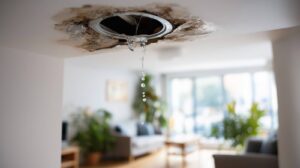
When a toilet overflows, it can quickly turn your home into a stressful situation. First, you need to act fast to minimize damage and ensure safety. Turning off the water supply is essential, but that’s just the beginning. You’ll need to assess the extent of the damage and take immediate steps to remove standing water. Knowing what comes next can make a significant difference in restoring your home effectively.
Key Takeaways
- Assess and document damage by checking water levels, visible damage, and potential mold growth before starting cleanup.
- Turn off the water supply and wear protective gear to ensure safety during the cleanup process.
- Use a pump or wet/dry vacuum for water extraction, and ventilate the area to expedite drying.
- Clean and disinfect all affected surfaces with appropriate solutions to prevent contamination and mold growth.
- Implement preventive maintenance, educate family members on proper toilet use, and schedule regular plumbing inspections to avoid future issues.
Assessing the Damage
Before you start any cleanup efforts, it’s essential to assess the damage thoroughly.
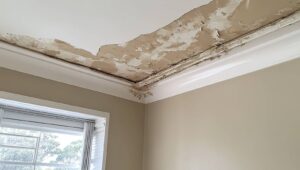
Begin by checking the water level in the affected area. Look for signs of water saturation, which can indicate how far the overflow has spread. Examine the flooring, walls, and furniture for any visible damage. Pay particular attention to areas that may not be immediately visible, like behind appliances or under cabinets.
Next, document the damage for insurance purposes. Take clear photos and note the extent of the water exposure. This damage assessment is vital for determining whether you’ll need professional help or if you can handle the situation yourself.
Don’t forget to check for mold or mildew, as these can develop quickly in damp environments. By being meticulous in your assessment, you’ll set the stage for a more effective and efficient cleanup, ensuring your home returns to its welcoming state.
Safety Precautions to Take
Before you begin any cleanup, make sure to turn off the water supply to prevent further flooding.
It’s also essential to wear protective gear, like gloves and masks, to shield yourself from contaminants.
Taking these safety precautions will help keep you safe while restoring your home.
Turn Off Water Supply
When a toilet overflows, the first step is to turn off the water supply to prevent further flooding and damage.
Locate the shut-off valve, usually found behind the toilet near the wall. It may be a round or lever-style valve, depending on your plumbing.
Turn the valve clockwise until it stops; this action closes off the water supply. If you can’t find the valve, consider turning off the main water supply to your home.
Remember, acting quickly can save you from more extensive repairs. Stay calm—you’re taking control of the situation.
Once the water supply is off, you can focus on the next steps to restore your home and ensure it remains a safe, welcoming space for everyone.
Wear Protective Gear
As you prepare to tackle the aftermath of a toilet overflow, don’t underestimate the importance of wearing protective gear to safeguard yourself from potential hazards.
Start by putting on sturdy protective gloves to shield your hands from bacteria and contaminants in the water. Choose gloves that are durable and waterproof for maximum protection.
Next, grab a pair of safety goggles to protect your eyes from splashes and harmful particles. This simple step can prevent irritation or injury, allowing you to focus on the cleanup without distraction.
Remember, using protective gear not only keeps you safe but also shows you care about your well-being and that of your loved ones.
Take these precautions seriously, and you’ll feel more confident in your restoration efforts.
Removing Standing Water
Although it might feel overwhelming, removing standing water after a toilet overflow is essential to prevent further damage and mold growth.
Start by evaluating the situation. If the water is contaminated, use a pump or wet/dry vacuum for effective water extraction techniques. These tools quickly remove standing water, keeping your home safe and dry.
If you don’t have a pump, use mops and towels to soak up as much water as possible. Keep in mind that the longer water sits, the more damage it can cause.
Once you’ve removed the bulk of the water, ventilate the area by opening windows and using fans to promote drying.
Make sure that you discard any soaked materials, like carpets or drywall, as they can harbor mold. Taking these steps will help you reclaim your space and restore your home to its original condition, providing peace of mind for you and your loved ones.
Cleaning and Disinfecting Affected Areas
Now that you’ve removed the standing water, it’s time to gather your cleaning supplies.
You’ll need rubber gloves, a bucket, disinfectant, and absorbent cloths to tackle the affected areas effectively.
Make sure to disinfect all surfaces thoroughly to eliminate any harmful bacteria and odors.
Gather Cleaning Supplies
To effectively tackle the aftermath of a toilet overflow, you’ll need to gather essential cleaning supplies that will help you restore your home efficiently.
Start with a thorough supply checklist: heavy-duty gloves, absorbent towels, a mop, and a bucket are must-haves.
Don’t forget cleaning tools like a scrub brush and a vacuum cleaner designed for wet messes. You’ll also want disinfectant solutions to make certain surfaces are sanitized after cleaning.
If you have a carpet, consider a carpet cleaner specifically for water damage. Keep a trash bag handy for disposing of contaminated materials.
Disinfect All Surfaces
After addressing the initial mess, it’s crucial to disinfect all surfaces affected by the overflow.
Start by identifying the surface materials in your bathroom, such as tile, porcelain, or wood. Use appropriate disinfecting techniques for each material—bleach solutions work well on non-porous surfaces, while vinegar can safely clean and disinfect wood.
Make sure you wear gloves and a mask to protect yourself. Spray the disinfectant generously and let it sit for the recommended time before wiping it down with clean cloths.
Don’t forget to tackle hidden areas, like under the toilet or behind the sink. By thoroughly disinfecting, you’ll create a safe and welcoming space for you and your loved ones to enjoy.
Drying Out the Space
Once you’ve addressed the source of the overflow, drying out the space becomes your top priority to prevent further damage and mold growth.
Start by removing any standing water with a wet/dry vacuum or towels. Next, employ moisture removal methods like dehumidifiers to lower humidity levels effectively. Open windows and doors to enhance air circulation techniques; fans can also help direct airflow, expediting the drying process.
Check behind fixtures, under cabinets, and in corners where moisture may linger. If your flooring is carpeted, consider lifting it to ensure the padding dries completely. Leave interior doors open to promote airflow throughout the affected areas.
Regularly monitor humidity levels with a hygrometer, aiming for a reading below 60%. By actively managing the drying process, you’ll create a healthier environment for your home and family, ensuring peace of mind as you restore your space.
Inspecting for Mold Growth
Even with thorough drying, moisture can linger and create a perfect environment for mold growth.
To protect your home and your health, it’s essential to inspect for mold as soon as possible. Start by checking areas that were affected, like walls, floors, and furnishings.
Use mold identification techniques such as looking for visible signs—black, green, or white spots—and smelling for musty odors.
Don’t ignore hidden spots, like behind appliances or inside cabinets; these are prime locations for mold to thrive.
Repairing Damaged Surfaces
As you address the aftermath of a toilet overflow, repairing damaged surfaces is essential to restoring your home’s integrity and preventing further issues.
Start by evaluating the extent of the damage. For floors, check for warping or discoloration; if you notice severe damage, consider material replacement with water-resistant options like vinyl or tile.
For drywall, remove any saturated sections to prevent mold growth. After cutting out damaged areas, patch with new drywall and ensure a smooth finish for effective surface restoration.
For wooden surfaces, sand down any warped areas and apply a sealant after they dry.
Don’t forget about paint—repainting enhances aesthetics and offers an extra layer of protection against moisture.
Preventing Future Incidents
To prevent future incidents of toilet overflow, it’s essential to implement a proactive maintenance routine. Start by following key toilet maintenance tips, such as regularly checking for leaks and ensuring that the flapper valve functions properly. You can easily replace worn parts, which often cause clogs and overflows.
Additionally, keep an eye on your toilet’s water level; it should be within the marked range in the tank. Schedule plumbing inspections at least once a year to catch potential issues before they escalate. A professional can identify problems like tree root intrusion or corroded pipes that you might miss.
Always educate your family about what can and can’t go down the toilet. By fostering this awareness, you create a sense of community responsibility.
These preventive measures safeguard your home and provide peace of mind for you and your loved ones.
Frequently Asked Questions
What Insurance Coverage Applies for Toilet Overflow Damage?
Your home insurance typically covers water damage from toilet overflow, but check your policy for specific coverage limits. Understanding these details ensures you know what’s protected and helps you avoid unexpected expenses during repairs.
How Can I Identify the Source of the Overflow?
Picture a ship at sea; to find leaks, you check the hull. Similarly, inspect your toilet’s components for overflow causes. Regular toilet maintenance, like checking seals and clogs, keeps your home afloat and safe.
Should I Call a Plumber After a Toilet Overflow?
Yes, you should call a plumber after a toilet overflow. While plumber costs can vary, their expertise ensures proper overflow prevention and repair, protecting your home from further damage and fostering a sense of security in your space.
What Cleaning Products Are Safe for My Home Post-Overflow?
Many households prefer eco-friendly cleaners. For post-overflow cleanup, use hydrogen peroxide or vinegar as disinfectant options. They’re effective, safe, and help you maintain a healthy home environment, ensuring you and your loved ones stay protected.
How Long Does It Take to Fully Dry Out a Bathroom?
It usually takes 24 to 48 hours to fully dry out your bathroom. Utilize effective drying techniques like fans and dehumidifiers, and ensure proper bathroom ventilation to expedite the process and prevent mold growth.
Summary
Restoring your home after a toilet overflow can feel overwhelming, but taking the right steps makes it manageable. By acting quickly and employing proper techniques, you can minimize damage and prevent mold growth. Always remember to keep your home well-maintained and regularly check plumbing fixtures. With vigilance and preparedness, you can protect your home from future incidents and ensure a safe living environment.