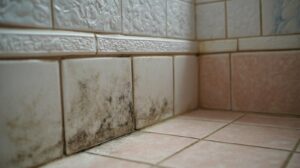
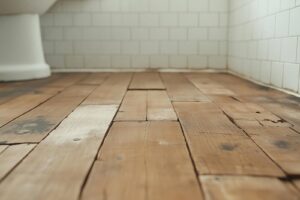
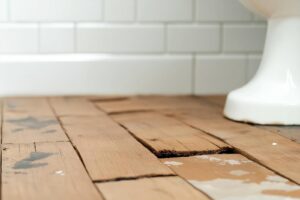
Did you know that mold can start to grow within 24 to 48 hours after water damage? This rapid development underscores the importance of quick action. By implementing effective strategies, you can considerably reduce the risk of mold and protect your living space. In the following discussion, we’ll explore essential tips to tackle this issue efficiently.
Key Takeaways
- Act quickly to remove standing water within 24 to 48 hours to prevent mold growth.
- Use dehumidifiers and fans to ensure thorough drying of affected areas.
- Monitor indoor humidity levels, keeping them below 60% to discourage mold spores.
- Apply mold-resistant products in high-humidity areas to protect against future mold growth.
- Conduct regular inspections and maintenance to prevent leaks and water intrusion.
Act Quickly to Remove Standing Water
When water damage occurs, acting quickly to remove standing water is essential, as delays can lead to mold growth within 24 to 48 hours. You need to prioritize effective water removal to minimize damage and prevent health risks.
Start by using pumps or wet vacs to eliminate excess water efficiently. Make sure you wear protective gear to safeguard against contaminants and harmful microorganisms.
Once the bulk of the water is removed, focus on moisture control. This means drying out affected areas thoroughly, including carpets, walls, and furniture.
Use dehumidifiers and fans to enhance airflow and expedite the drying process. Monitor humidity levels to keep them below 60%, as elevated moisture can encourage mold spores to thrive.
Ensure Proper Ventilation and Airflow
To effectively prevent mold growth after water damage, you must secure proper ventilation and airflow throughout the affected areas. Implementing effective airflow strategies is essential.
Start by opening windows and doors to promote fresh air circulation. Use fans to direct airflow towards damp spots, helping to evaporate moisture quickly.
Consider employing ventilation techniques such as exhaust fans in bathrooms and kitchens, which can considerably reduce humidity levels. Confirm that vents are unobstructed and functioning properly.
If possible, use dehumidifiers to maintain ideal indoor humidity levels, ideally between 30-60%. This curbs mold growth and enhances overall air quality.
Regularly inspect and clean HVAC systems to prevent dust accumulation, which can impede airflow.
Use Mold-Resistant Products and Materials
While it’s crucial to address existing moisture issues, using mold-resistant products and materials can greatly reduce the risk of future mold growth.
Start by applying mold-resistant paints on walls and ceilings, especially in high-humidity areas like bathrooms and kitchens. These paints contain antimicrobial properties that inhibit mold development, offering an extra layer of protection.
In addition, consider installing moisture barriers in areas prone to dampness, such as basements and crawl spaces. These barriers help prevent moisture from seeping into your home, creating an environment unfavorable for mold.
When renovating or building, choose mold-resistant drywall and insulation, which are specifically designed to withstand moisture and resist mold growth.
By investing in these materials, you protect your home and foster a healthier living environment for you and your loved ones.
Taking these proactive steps ensures your space remains mold-free and welcoming.
Frequently Asked Questions
How Long Does It Take for Mold to Start Growing After Water Damage?
Mold can start growing within 24 to 48 hours after water damage, depending on factors like temperature, humidity, and material type. Understanding this mold growth timeline is essential for effective prevention and remediation strategies.
Can I Use Bleach to Kill Mold After Water Damage?
You can use bleach to kill mold, but it’s not always effective against mold toxicity, especially in porous materials. Consider specialized mold removers for better results and ensure proper ventilation during the process.
What Are the Signs of Hidden Mold Growth?
Hidden mold can be a silent invader, lurking behind walls or under floors. Watch for mold symptoms like musty odors, unexplained allergy flare-ups, or water stains, signaling it’s time to investigate further and protect your space.
Do I Need Professional Help for Mold Removal?
Yes, you’ll need professional help for mold removal. A professional assessment ensures thorough mold remediation, identifies hidden growth, and prevents recurrence. Their expertise secures safety and effectiveness, giving you peace of mind in your home.
How Can I Prevent Mold in My Basement After Water Damage?
To prevent mold in your basement after water damage, ensure proper basement ventilation and implement moisture-control measures. Isn’t it better to breathe clean air than to battle an unseen mold invasion? Keep it dry and fresh.
Summary
So, if you think ignoring water damage will magically make mold disappear, think again. By acting quickly to remove standing water, ensuring proper ventilation, and using mold-resistant materials, you’re not just fighting mold; you’re making your home a healthier place to live. It’s almost ironic how a little diligence can save you from a much bigger headache later. Don’t let moisture turn your home into a moldy science experiment—take these steps to protect your space.