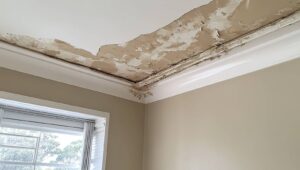
Steering mold remediation insurance claims can be complex, and understanding your policy is essential. You need to grasp the coverage limits and any exclusions that may apply to your situation. Documenting the damage thoroughly is equally important, as it provides evidence of the mold’s extent and underlying issues. Finally, working with professionals can enhance your claim’s credibility. But what specific steps should you take to maximize your chances of a successful outcome?
Key Takeaways
- Review your insurance policy to understand coverage limits, deductibles, and any exclusions related to mold damage.
- Document all damage thoroughly with photographs and written logs detailing the extent and location of mold.
- Engage professional remediation specialists for accurate assessments and detailed reports to support your claim.
- Keep organized records of all communications with your insurance provider throughout the claims process.
- Emphasize health risks associated with mold exposure to strengthen your claims and ensure thorough consideration by the insurer.
Understand Your Policy Coverage
When it comes to mold remediation insurance claims, understanding your policy coverage is essential. Explore your policy documents to identify your specific policy limits, as these dictate how much financial support you can expect during a mold remediation process.
It’s vital to know both the maximum amounts available and any deductibles that may apply. Additionally, pay close attention to coverage exclusions. Some policies mightn’t cover mold damage if it results from neglect or lack of maintenance.
By identifying these exclusions early, you can avoid unpleasant surprises when filing a claim. Take the time to clarify any confusing terms with your insurance agent; they’re there to help.
Knowing the ins and outs of your policy empowers you and fosters a sense of security within your community, ensuring you’re prepared to tackle mold issues head-on.
Document the Damage Thoroughly
Understanding your policy coverage lays the groundwork for a successful mold remediation claim, but the next step is to document the damage thoroughly.
Start with a detailed damage assessment of the affected areas. Identify visible mold, as well as any underlying issues that may not be immediately apparent.
Using photographic evidence is essential—take clear pictures of the mold, damage to walls, ceilings, and any affected belongings. Capture images from multiple angles and distances to provide an all-encompassing view. Make sure to include timestamps in your photos to validate when the damage occurred.
Additionally, maintain a written log detailing the extent of the damage, including dates and descriptions of each affected area. This thorough documentation strengthens your claim and helps to convey the severity of the situation to your insurance provider.
Work With Professionals for Accurate Assessments
Engaging professionals for accurate assessments is crucial in the mold remediation process. Without their expertise, you might overlook critical issues that could jeopardize your health and your home.
Here’s why working with remediation specialists is essential:
Comprehensive Evaluations: Professional assessments ensure every mold-infested area is identified, including hidden spots that you may not see.
Safety Protocols: Remediation specialists follow safety guidelines, minimizing health risks during the assessment and remediation phases.
Accurate Documentation: Professionals provide detailed reports that can strengthen your insurance claims, showcasing the extent of the damage.
Frequently Asked Questions
How Long Do I Have to File a Mold Claim?
You typically have one to two years to file a mold claim, depending on your insurance policy. Act promptly to document mold growth, as insurance timelines can impact your chances of receiving coverage for remediation costs.
Will My Premiums Increase After Filing a Mold Claim?
Oh, the joys of insurance! Yes, your premiums might increase after you file a mold claim. Insurers often adjust rates during the claim process, especially for issues they perceive as a recurring risk.
Are There Specific Mold Exclusions in My Policy?
Yes, your policy might have specific mold exclusions. It’s essential to review your coverage details to understand policy limitations regarding mold damage, as not all policies provide thorough mold coverage, potentially affecting your claims.
Can I Choose My Own Remediation Contractor?
Yes, you can choose your own remediation contractor. However, make certain they understand contractor responsibilities and the necessary remediation options. Review your policy to confirm coverage aligns with your chosen contractor’s services for a smoother process.
What if My Claim Gets Denied?
If your claim gets denied, review the denied claim reasons carefully. You can initiate the claim appeal process, gathering necessary documentation and evidence to support your case, ensuring you address the insurer’s concerns effectively.
Final Thoughts
Steering through mold remediation insurance claims can be complex, but understanding your policy, documenting damage, and collaborating with professionals are key steps. Many believe that thorough documentation is enough to ensure coverage, yet insurers often seek detailed assessments to validate claims. By proactively addressing these elements, you enhance your chances of receiving compensation and protect your health and property from the hidden dangers of mold. Don’t underestimate the importance of a well-prepared claim.