When facing water damage, it’s essential to prioritize safety and effective damage cleanup methods. You’ll need to assess potential health risks and ensure you’re equipped with proper protective gear. Once you’re prepared, focus on effective sanitization techniques to prevent further issues. Each step in this process is critical, especially as the aftermath can lead to serious health concerns. Understanding these fundamental tips can make a significant difference in your cleanup efforts. What comes next can determine the success of your restoration.
Key Takeaways
- Always wear proper protective gear, including waterproof gloves, an N95 respirator, and protective eyewear to safeguard against contaminants.
- Act quickly to assess and address mold growth, as it can develop within 24-48 hours after water exposure.
- Use EPA-approved disinfectants following the manufacturer’s instructions for effective cleaning and sanitizing of affected surfaces.
- Ensure proper ventilation during and after cleanup to reduce harmful fumes and moisture levels.
- Monitor humidity levels regularly to prevent future mold growth and consider professional assistance for extensive damage.
Assessing Health Risks Before Cleanup
Before you begin the cleanup process, it’s crucial to evaluate any potential health risks associated with water damage.
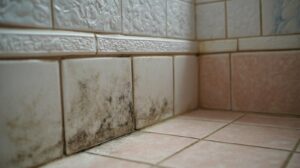
First, examine the affected area for signs of mold growth, which can develop within 24 to 48 hours after water exposure. Mold poses serious respiratory risks, especially for individuals with allergies or asthma.
Next, investigate the source of the water; if it’s from a contaminated source, such as sewage, you’re dealing with water contamination that can introduce harmful pathogens.
Identify any structural elements that may harbor contaminants, like drywall or insulation, as they may require professional removal.
Additionally, consider the humidity levels in the environment; high humidity can exacerbate mold growth.
Proper Protective Gear for Safety
With the potential health risks identified, it’s time to focus on safeguarding yourself during the cleanup process. Proper protective gear is essential for your safety and well-being.
Start with glove selection; choose durable, waterproof gloves that can prevent skin contact with contaminated water. Nitrile gloves are a popular choice, offering both protection and dexterity.
Next, consider the mask types you’ll need. A well-fitted N95 respirator can filter out harmful particles, ensuring you don’t inhale any hazardous substances while working. If the area is particularly mold-prone, opt for a mask with a higher filtration level to enhance your protection.
Don’t overlook protective eyewear, as it shields your eyes from splashes and irritants.
Finally, wear sturdy boots to keep your feet safe from any sharp or hazardous debris. By equipping yourself with the right gear, you’re taking the first critical step toward a safer cleanup experience.
Effective Sanitization and Disinfection Techniques
As you begin the sanitization and disinfection process, it’s crucial to understand the difference between cleaning, sanitizing, and disinfecting. Cleaning removes dirt and debris, while sanitizing reduces germs to safe levels, and disinfecting eliminates them entirely.
Start by following established cleaning protocols to clear surfaces of any contaminants.
Once cleaned, apply appropriate disinfectant solutions. Choose EPA-approved products for effectiveness, and be certain you follow the manufacturer’s instructions for dilution and contact time.
Pay special attention to high-touch areas, like doorknobs and light switches, as they harbor pathogens.
Allow the disinfectant to sit for the recommended duration before wiping down the surface. This ensures maximum efficacy.
After disinfecting, ventilate the area to reduce any lingering fumes.
Frequently Asked Questions
What Should I Do if I Suspect Mold Growth After Water Damage?
If you suspect mold growth, act quickly. Inspect the area, remove moisture, and ventilate. Consider professional help to mitigate health risks. Implement mold-prevention strategies to ensure a safer environment for you and your loved ones.
How Can I Determine if My Belongings Are Salvageable?
Many belongings affected by water damage can be salvaged. Conduct a salvage assessment by checking materials and using restoration methods like drying or cleaning. If uncertain, consult a professional for advice on preserving valuables.
What Type of Insurance Covers Water Damage Cleanup?
Your homeowner’s policy typically covers water damage from plumbing issues, while flood insurance is essential for flood-related incidents. Check your policies to ensure you’re adequately protected and understand the specific coverage limits for each type.
How Long Does It Typically Take for Water Damage to Dry Completely?
It doesn’t take forever, but water damage can take several days to dry completely! Using proper drying equipment, the drying process typically lasts 3 to 7 days, depending on the severity of the damage.
Can I Handle Water Damage Cleanup Myself, or Should I Hire Professionals?
You can tackle DIY cleanup if the damage is minor, but for extensive issues, hiring professional services is wise. They ensure thorough drying and mold prevention, safeguarding your home and giving you peace of mind.
Final Thoughts
Safe water damage cleanup hinges on prioritizing your health and safety. By evaluating potential risks, wearing proper protective gear, and employing effective sanitization techniques, you greatly reduce your chances of long-term health issues. Curiously, studies show that even minor water damage can lead to mold growth within 24 to 48 hours, underscoring the urgency of prompt action. If you encounter extensive damage or persistent mold, don’t hesitate to seek professional help to protect both your health and property.