When it comes to mold damage cleanup, can you afford to overlook even the smallest spore? Addressing mold growth demands a meticulous approach that starts with evaluating the extent of the problem. You’ll need to implement effective remediation techniques and establish preventative measures to avoid future issues. Understanding these strategies can make a significant difference in your cleanup process and long-term air quality. What steps will you take first?
Key Takeaways
- Conduct a thorough inspection of moisture-prone areas to identify mold presence and signs of water damage.
- Isolate the affected area using plastic sheeting to prevent the spread of mold spores during cleanup.
- Remove heavily infested porous materials, and clean non-porous surfaces with a mold remover or detergent solution.
- Use dehumidifiers and air purifiers post-remediation to maintain low humidity and improve air quality.
- Document all findings and remediation actions taken, and schedule follow-up inspections to prevent future mold growth.
Assessing the Extent of Mold Growth
How do you determine the true extent of mold growth in your space? Start with a thorough mold inspection, focusing on areas prone to moisture, such as bathrooms and basements.
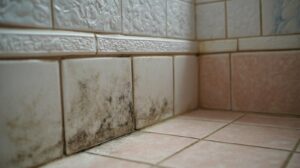
Look for growth indicators like discoloration on walls, musty odors, or visible mold spores. Use a flashlight to illuminate hidden corners, as mold often thrives in dark, damp environments.
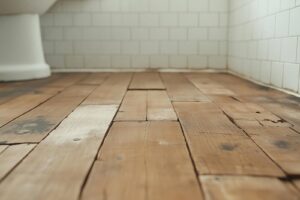
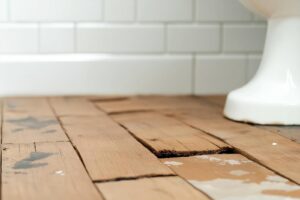
Next, check for water damage signs, like peeling paint or warped surfaces. These often signal underlying mold issues.
If you suspect extensive growth, consider using a moisture meter to measure humidity levels, as high readings can correlate with mold proliferation.
Finally, document your findings meticulously; this will guide your next steps and help you understand the severity of the situation.
Effective Remediation Techniques
Once you’ve assessed the extent of mold growth, it’s time to implement effective remediation techniques.
Begin by isolating the affected area to prevent spores from spreading. Use plastic sheeting to seal doorways and vents.
When it comes to mold removal, wear appropriate protective gear, including gloves and masks. For porous materials like drywall, remove and discard them if heavily infested. Non-porous surfaces can be cleaned with a mixture of water and detergent, or a specialized mold remover.
After cleaning, ensure proper air quality by using dehumidifiers and air purifiers with HEPA filters. This step is essential, as it helps to eliminate any lingering spores and reduces humidity levels.
Finally, monitor the area for any signs of regrowth. By following these methods, you eliminate existing mold and foster a healthier living environment for you and your loved ones.
Preventative Measures to Avoid Future Mold Issues
To prevent future mold issues, it’s crucial to control moisture levels within your home.
Implementing effective humidity control strategies can greatly reduce the risk of mold growth. Here are four key measures to evaluate:
Use Mold-Resistant Materials: When renovating, opt for mold-resistant drywall and paints to inhibit mold growth.
Ensure Proper Ventilation: Install exhaust fans in high-moisture areas like kitchens and bathrooms to facilitate airflow.
Maintain Indoor Humidity: Keep humidity levels between 30-60% using dehumidifiers or air conditioning, especially in damp seasons.
Inspect for Leaks: Regularly check plumbing and roofing for leaks, repairing any issues promptly to prevent moisture accumulation.
Frequently Asked Questions
Can I Clean Mold Myself or Should I Hire a Professional?
You can tackle mold yourself with DIY cleaning, but hiring professional services ensures thorough removal and safety. Weigh your skills and the extent of the mold before deciding which approach suits your needs best.
What Materials Are Most Susceptible to Mold Damage?
Wood surfaces and drywall interiors are mold’s favorite playgrounds. They thrive in damp, dark spaces, enthusiastically munching through your home’s structure. If you ignore moisture, you’re basically inviting mold to a feast. Don’t let it happen.
How Long Does Mold Cleanup Typically Take?
Mold cleanup duration varies, typically taking anywhere from a few days to several weeks. Factors such as the extent of mold growth and the type of affected materials influence this timeline, so it is essential to assess thoroughly to ensure effective remediation and safety.
Will Mold Return After Cleanup if Not Properly Addressed?
Yes, mold can return after cleanup if you don’t implement effective cleanup methods and proper mold prevention techniques. Homes face recurrent mold issues, emphasizing the importance of thorough treatment and ongoing maintenance.
Are There Any Health Risks During Mold Cleanup?
Yes, there are health risks during mold cleanup. You might experience health symptoms like respiratory issues or skin irritation. Always wear protective gear and follow safety precautions to minimize exposure and safeguard your well-being.
Summary
Tackling mold damage requires meticulous attention to detail and proactive measures. By isolating the affected area, removing contaminated materials, and thoroughly cleaning non-porous surfaces, you can reclaim your space from this insidious foe. Remember, just like a knight in shining armor protects their castle, you must safeguard your home against future mold issues by maintaining air quality with dehumidifiers and purifiers. Your diligence today ensures a healthier tomorrow. Don’t let mold win the battle for your home.