When dealing with a toilet overflow, understanding the risks, taking immediate action, and implementing effective mold remediation strategies are vital. Mold can start to grow within just 24 to 48 hours, making swift intervention critical. You’ll need to assess the damage, remove water, and thoroughly dry the area. But how do you ensure that your efforts truly eliminate the threat of mold? Let’s explore the necessary steps and considerations to safeguard your home.
Key Takeaways
- Shut off the water supply and remove items affected by the overflow to prevent further damage and mold growth.
- Thoroughly assess all surfaces for moisture, discoloration, and potential hidden mold pockets using moisture meters.
- Use high-velocity fans and dehumidifiers to dry affected areas completely within 48 hours to inhibit mold development.
- Clean surfaces with a detergent solution and apply a bleach or specialized mold cleaner on non-porous areas to eliminate mold spores.
- Maintain indoor humidity below 60% and conduct regular inspections to prevent future mold growth in moisture-prone areas.
Understanding the Risks of Mold Growth After a Toilet Overflow
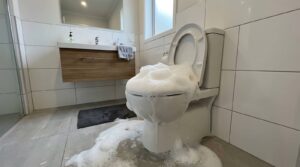
When a toilet overflows, it doesn’t just create a mess; it can also set the stage for mold growth if not addressed promptly. The damp environment fosters mold spores, which can lead to significant health impacts, including respiratory issues and allergic reactions.
You mightn’t realize that mold can begin to develop within 24 to 48 hours of water exposure, making immediate action critical.
Implementing effective mold prevention strategies can mitigate these risks. Start by ensuring proper ventilation in the affected area to reduce humidity levels. Utilize dehumidifiers if necessary to maintain ideal moisture control.
Regularly inspect and maintain plumbing to prevent future overflows. Additionally, consider using mold-resistant materials in bathrooms, reinforcing your proactive approach.
Initial Steps to Take Immediately After the Overflow
Taking immediate action is essential after a toilet overflow to minimize damage and prevent mold growth. Start your emergency response by shutting off the water supply to the toilet. This simple step halts further flooding and gives you control over the situation.
Next, remove any items or furniture that may have come into contact with the water. This prevents additional damage and limits the risk of mold spores spreading to other areas.
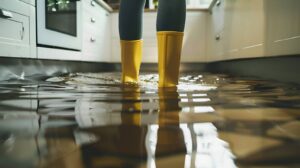
Once you’ve cleared the space, use towels or a wet/dry vacuum to absorb excess water. It’s imperative to act quickly; the longer water remains, the higher the chance for mold development.
After drying the area, ensure proper ventilation by opening windows or using fans. This helps to reduce moisture levels, further deterring mold growth.
These immediate actions are essential in safeguarding your home and maintaining a healthy environment for you and your loved ones.
Assessing the Extent of Water Damage
How can you effectively assess the extent of water damage after a toilet overflow?
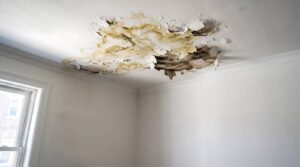
Begin with a thorough water damage assessment, focusing on visible and hidden areas. Check walls, floors, and ceilings for discoloration, warping, or softness, as these can indicate deeper issues. Use damage evaluation techniques such as moisture meters to measure dampness, helping you identify affected materials.
Pay special attention to areas around the toilet and any adjoining rooms, as water may have spread beyond the immediate vicinity.
Next, inspect your belongings for water exposure, prioritizing items that are porous or absorbent. Document everything with photos for insurance purposes.
Safely Removing Standing Water and Debris
After evaluating the water damage, it’s crucial to act quickly to remove standing water and debris, as delays can exacerbate the situation.
Start by gathering necessary tools like a wet/dry vacuum, mop, and buckets for efficient standing water removal. If the water is contaminated, wear protective gear such as gloves and masks to safeguard your health.
Once you’ve removed the majority of the water, focus on debris disposal. Carefully collect any materials that can’t be salvaged, like wet carpet or damaged drywall.
Place these items in sturdy trash bags to prevent leaks while transporting them outside.
Be thorough; any lingering debris can contribute to mold growth. After clearing the area, inspect for hidden moisture pockets, which can lead to bigger issues later.
Drying the Affected Area Thoroughly
After removing standing water, it’s essential to make certain the affected area dries thoroughly to prevent mold growth.
Using high-velocity fans effectively accelerates the drying process, helping to circulate air and evaporate moisture.
This step is important in mitigating the risk of mold development in your home.
Remove Standing Water
To effectively tackle mold remediation following a toilet overflow, your first priority is to remove standing water from the affected area. Failing to do so can lead to serious standing water dangers, including mold growth and structural damage.
You’ll want to use effective water removal techniques to ensure a thorough job. Here are four essential steps to follow:
- Shut off the water source to prevent further overflow.
- Use a wet/dry vacuum to extract as much water as possible.
- Mop the area with clean, absorbent materials to soak up remaining moisture.
- Dispose of contaminated materials properly to prevent cross-contamination.
Use High-Velocity Fans
Once you’ve removed standing water, using high-velocity fans becomes vital for thoroughly drying the affected area.
High-velocity air circulation helps eliminate residual moisture that can lead to mold growth. Position these fans strategically to maximize airflow across damp surfaces, ensuring every corner receives adequate exposure. This approach enhances moisture control, greatly reducing drying time.
Aim to maintain airflow for at least 48 hours, monitoring the humidity levels with a hygrometer to confirm ideal results. Remember, effective drying is essential to prevent mold from taking hold and creating further health risks.
Identifying Mold-Prone Areas in Your Bathroom
To effectively prevent mold growth, you need to identify common locations in your bathroom where moisture accumulates.
Pay close attention to areas around the toilet, under the sink, and behind the shower or bathtub, as these spots are often overlooked.
Regular inspections of these areas will help you catch any signs of mold early and address moisture sources promptly.
Common Mold Locations
While you may not think about it often, certain areas in your bathroom are particularly susceptible to mold growth, especially after incidents like a toilet overflow.
Identifying these mold hotspots is essential to maintaining a healthy environment. Pay close attention to the following locations that often harbor hidden moisture:
Around the toilet base – This area can retain moisture from leaks or spills.
Underneath the sink – Pipes may leak, creating a damp environment.
Behind the toilet – Hidden moisture can accumulate, especially if the wall isn’t sealed properly.
Shower corners and grout lines – These spots often trap moisture, making them prime locations for mold growth.
Regular inspections of these areas can help you prevent mold issues before they escalate.
Moisture Sources Identification
Identifying moisture sources in your bathroom is a critical step in preventing mold growth. Start by evaluating humidity levels, especially after showers or baths. High humidity can create an environment ripe for mold.
Look for leaks around the toilet, sink, and tub; these are often hidden culprits. Check for condensation on mirrors and windows, which indicates excess moisture.
Installing moisture barriers, such as vapor barriers behind walls, can help prevent humidity from seeping in. Don’t forget to inspect your ventilation systems; inadequate airflow can exacerbate humidity issues.
Regular Inspection Practices
Regular inspections are essential for spotting mold-prone areas in your bathroom before they become a significant problem.
By incorporating mold inspection and moisture monitoring into your routine, you can maintain a healthier environment.
Here are four key areas to focus on:
Shower and Bathtub: Check for water accumulation and sealant wear.
Toilet Base: Inspect for leaks or moisture around the base.
Sink and Countertops: Look for drips and standing water.
Walls and Ceilings: Notice any discoloration or peeling paint.
Cleaning and Disinfecting Surfaces
After a toilet overflow, cleaning and disinfecting surfaces is essential to prevent mold growth and ensure a safe environment. Start by gathering your cleaning supplies, including gloves, masks, and appropriate cleaning agents.
Use effective mold removal techniques like scrubbing surfaces with a mixture of water and detergent, focusing on areas that absorbed water. For non-porous surfaces, consider using a bleach solution or specialized mold cleaner, ensuring you follow safety guidelines.
Next, implement surface sanitization methods by thoroughly wiping down high-touch areas such as doorknobs, light switches, and countertops. Pay special attention to any porous materials, like drywall or upholstery, which may require more intensive treatment or replacement.
After cleaning, allow surfaces to dry completely to minimize moisture, since damp environments encourage mold growth. By taking these steps, you foster a healthier living space for everyone involved, reinforcing a sense of community and care.
Using Mold Inhibitors and Treatments
When it comes to mold remediation, selecting effective mold inhibitors is vital for controlling future growth.
You’ll need to apply treatments correctly to ensure maximum efficacy and develop long-term prevention strategies to maintain a mold-free environment.
Understanding these elements will empower you to take decisive action against mold issues.
Choosing Effective Mold Inhibitors
Although mold growth often follows a toilet overflow due to the damp environment, choosing effective mold inhibitors can greatly alleviate the problem.
You have various options to evaluate, balancing between natural mold inhibitors and commercial mold solutions. Here are four effective choices:
Vinegar: A natural and non-toxic option that can kill mold spores on contact.
Baking Soda: This common household item absorbs moisture and acts as a mild abrasive for scrubbing.
Hydrogen Peroxide: A powerful disinfectant that can help eliminate mold and prevent its return.
Commercial Mold Inhibitors: Specialized solutions designed to penetrate surfaces and inhibit mold growth effectively.
Selecting the right inhibitors tailored to your situation can considerably enhance your mold remediation efforts.
Application Techniques for Treatments
To effectively combat mold following a toilet overflow, it’s essential to apply mold inhibitors and treatments with precision.
Start by selecting appropriate mold treatment methods that suit the affected area. Ascertain surfaces are thoroughly cleaned and dried before application; this maximizes the effectiveness of the treatment.
Use a spray bottle for even coverage, applying the inhibitor directly onto all mold-prone surfaces, including walls and flooring. Pay special attention to corners and crevices, where mold often lurks.
Allow adequate dwell time as recommended by the product instructions, ensuring the inhibitor penetrates effectively.
After treatment, monitor the area closely to confirm that mold doesn’t return, reinforcing your commitment to a clean, safe environment for everyone in your home.
Long-Term Prevention Strategies
Implementing long-term prevention strategies against mold requires a proactive approach that goes beyond initial remediation efforts.
To safeguard your home, focus on the following measures:
Use mold-resistant materials: Choose paints, drywall, and flooring designed to resist mold growth.
Maintain humidity control: Keep indoor humidity levels below 60% using dehumidifiers or air conditioning.
Regular inspections: Routinely check areas prone to moisture, like bathrooms and basements, for early signs of mold.
Proper ventilation: Ensure bathrooms, kitchens, and laundry rooms have adequate ventilation to reduce moisture buildup.
When to Call in Professional Help
If you notice persistent mold growth or a musty odor after a toilet overflow, it’s crucial to recognize when to call in professional help. While minor mold issues can often be managed with DIY methods, extensive contamination requires a thorough mold inspection and a professional assessment.
If mold covers more than 10 square feet, or if you have health concerns, don’t hesitate to reach out to experts.
Professionals possess specialized equipment and training, enabling them to identify hidden mold and assess the damage accurately. They can also ensure that the affected area is properly remediated, preventing future issues.
If you’re unsure about your ability to tackle the problem, trust your instincts—professional assistance can save you time, money, and health risks.
Preventing Future Mold Growth After Water Damage
Since preventing future mold growth after water damage hinges on prompt and effective action, it’s vital to dry out the affected area as quickly as possible.
You can take proactive steps to ensure a healthier environment:
Dry Thoroughly: Use fans and dehumidifiers to reduce moisture levels quickly.
Inspect for Leaks: Regularly check plumbing and appliances for leaks that could lead to water accumulation.
Use Mold-Resistant Materials: When repairing, opt for mold-resistant drywall and paint to minimize future risks.
Implement Humidity Control: Maintain indoor humidity levels below 60% using air conditioners or dehumidifiers.
Frequently Asked Questions
How Long Does It Take for Mold to Grow After a Toilet Overflow?
Mold growth can start within 24 to 48 hours after overflow sources like toilet leaks. It’s essential you address moisture quickly to prevent extensive damage and health risks associated with mold exposure.
Can I Use Bleach to Clean Mold After an Overflow?
You can use bleach for some mold types, but its effectiveness varies. It doesn’t penetrate porous materials well, and it won’t kill all mold species. Consider alternative solutions for thorough mold remediation instead.
What Safety Gear Should I Wear During Mold Remediation?
During mold remediation, you should wear protective gloves, goggles, and a mask. Different mold types require distinct remediation methods. Prioritize personal safety to ensure a successful process and foster a sense of community responsibility.
Will Mold Affect My Health Even if It’s Cleaned?
Yes, mold can still affect your health even after cleaning. You may experience mold symptoms like respiratory issues or allergies due to residual spores, which pose ongoing health risks. It’s essential to ensure complete removal.
Can I Prevent Mold Without Professional Help?
Sure, you can prevent mold without professionals! Just embrace DIY cleaning methods, like vinegar and baking soda. Combine those with mold prevention techniques, and you’ll become a home hero—saving your space from unwanted guests!
Recap
You must act quickly, assess thoroughly, and clean diligently to combat mold growth after a toilet overflow. By removing debris, drying effectively, and treating surfaces, you create an environment less prone to mold. If the situation is overwhelming, don’t hesitate to call in professionals who can address hidden issues. Remember, prevention is key—maintain vigilance, monitor humidity, and ensure proper ventilation to safeguard your home against future mold infestations.